
01-08.04 ’26
Subjektivni atlas Bosne i Hercegovine
🕐 Wednesday 1 April — Wednesday 8 April, 2026
📍History Museum of Bosnia and Herzegovina, Zmaja od Bosne 5 Sarajevo 🇧🇦
🔗 muzej.ba/en/
🙏🏻 Elma Hasimbegovic, James Riding, PCRC
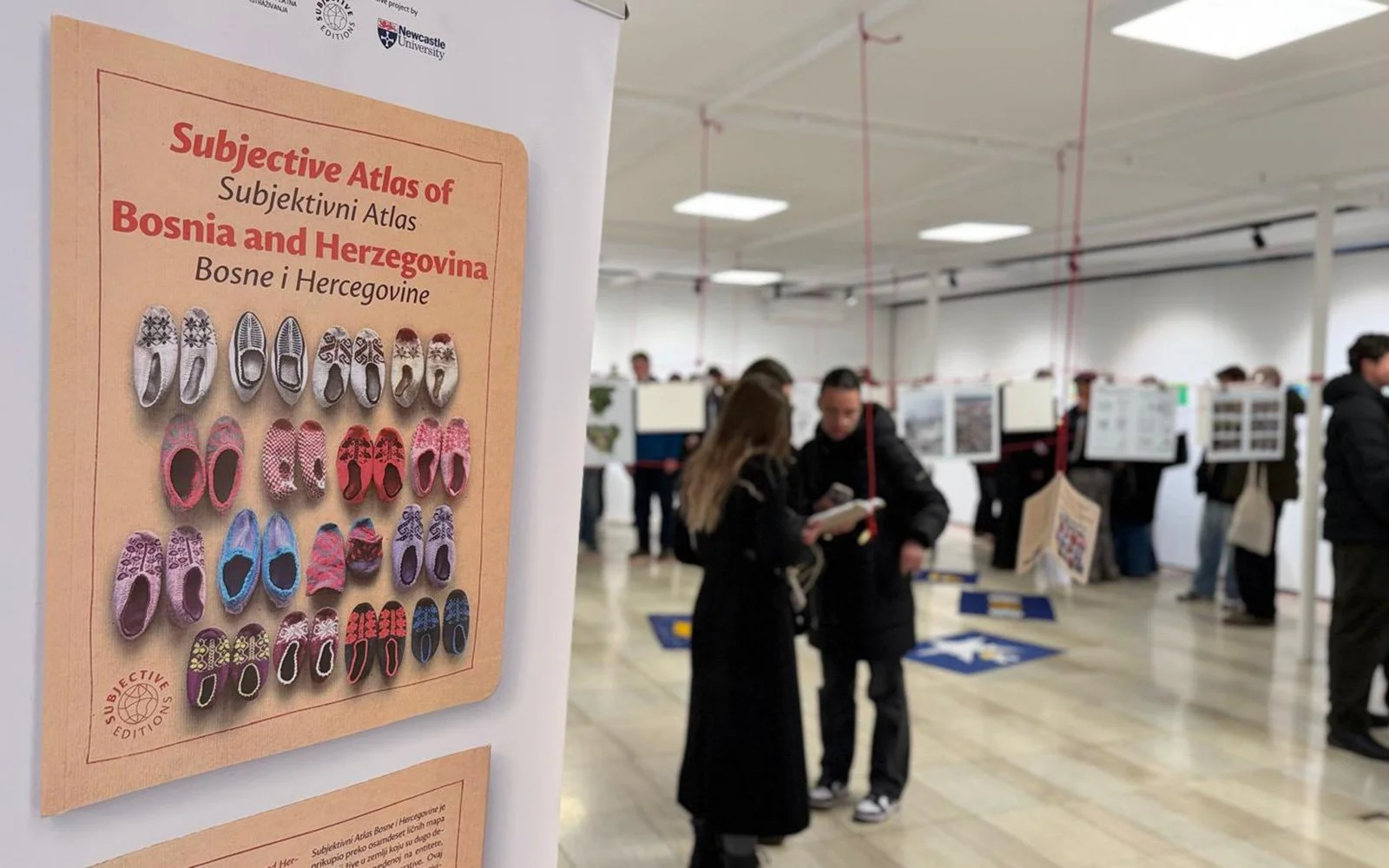
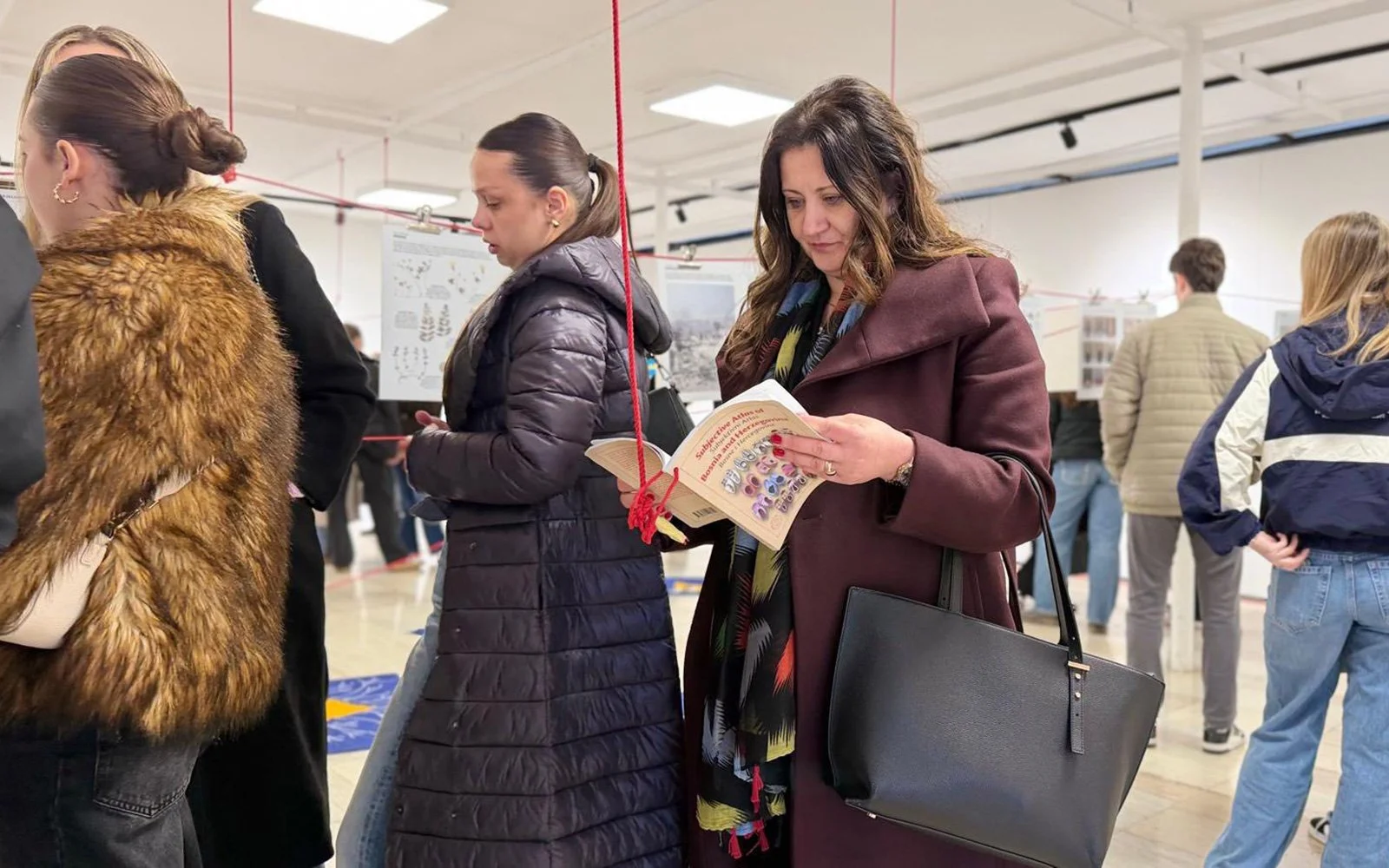
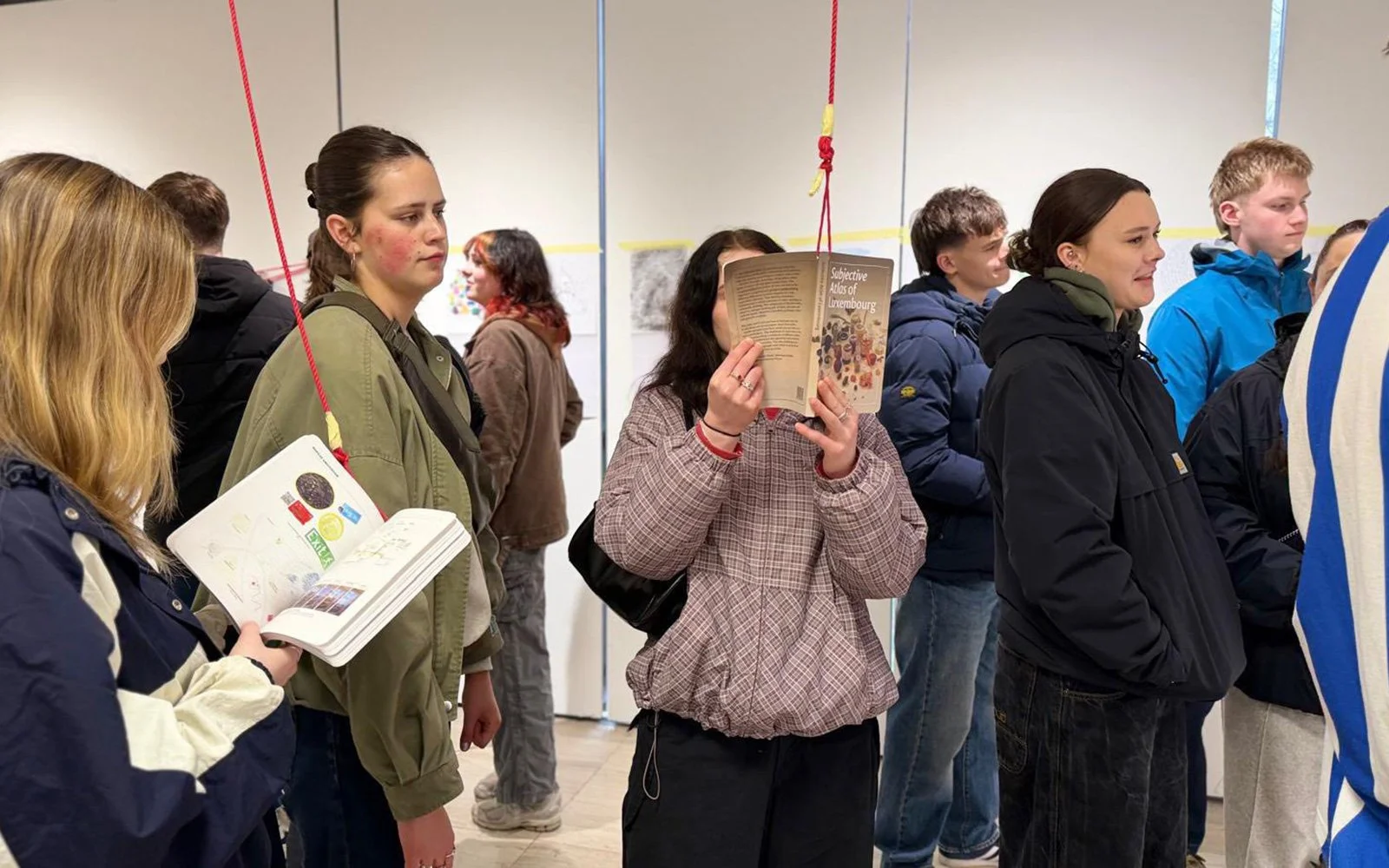
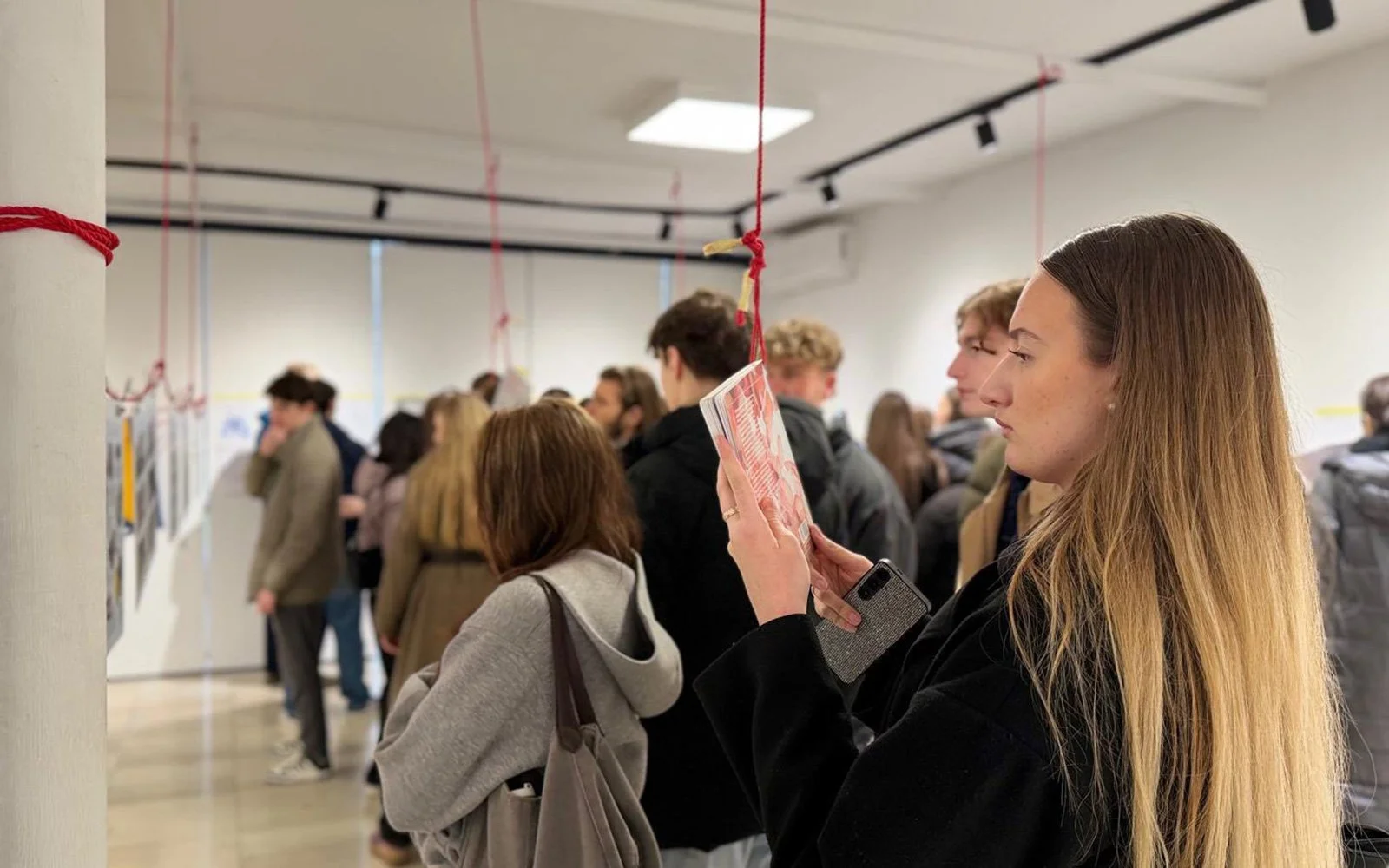
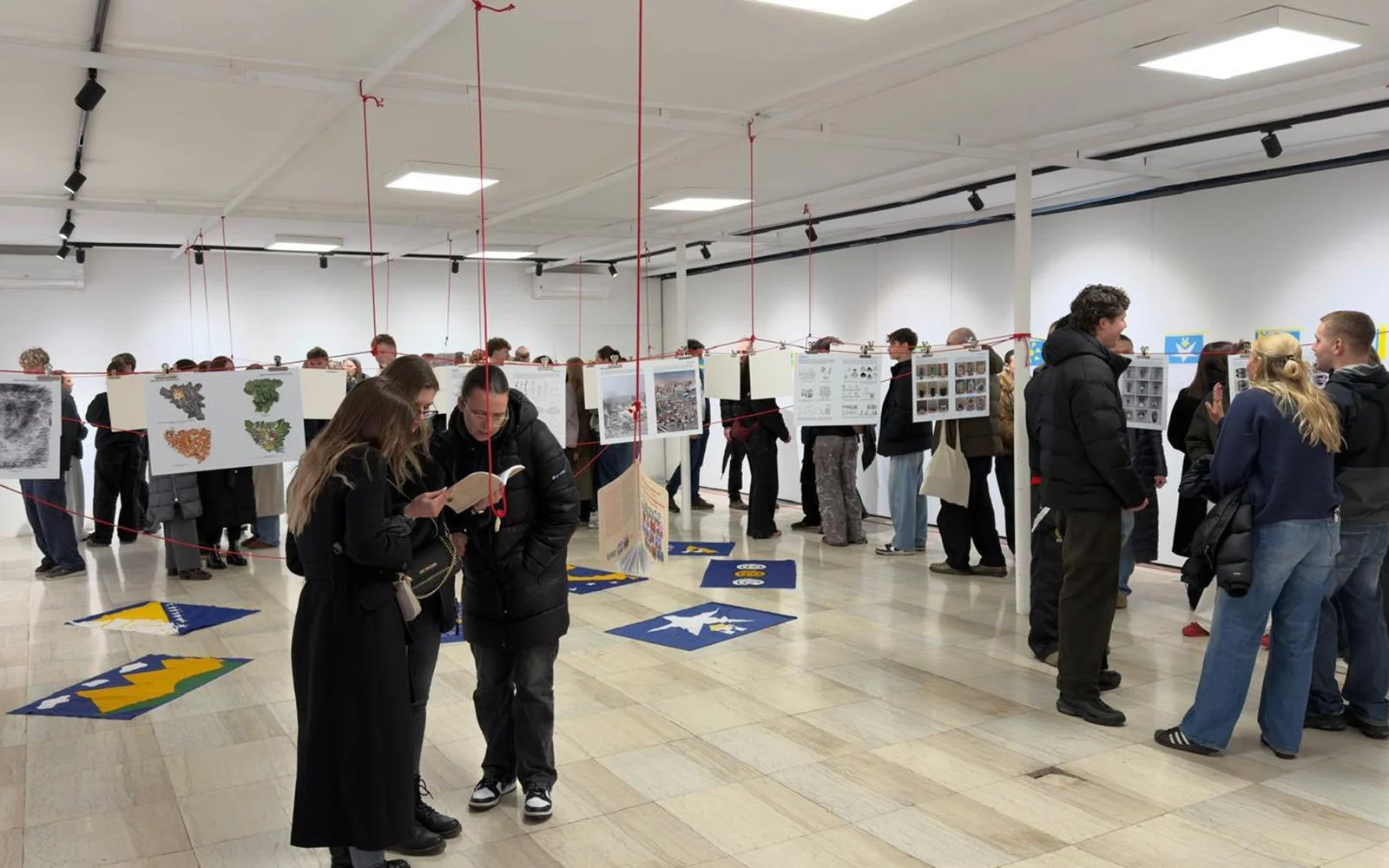
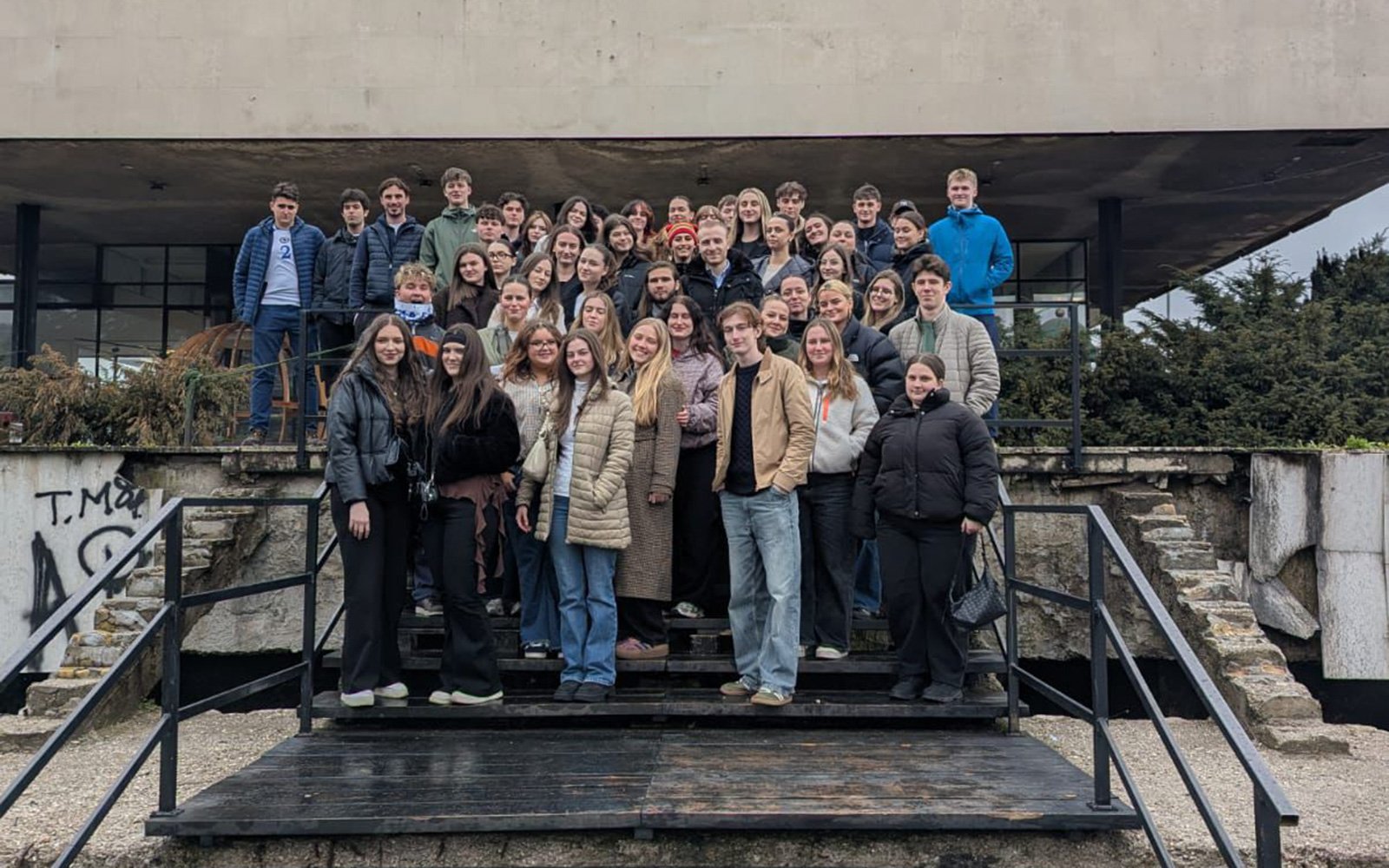
The Subjective Atlas of Bosnia and Herzegovina was presented at the Historijski muzej Bosne i Hercegovine in Sarajevo. The exhibition became a meeting point for different groups of geography students from Newcastle and Sarajevo, who visited the museum together as part of field classes in Bosnia and Herzegovina. The exhibition was prepared and introduced by Dr James Riding from Newcastle University, creating a shared learning environment across institutions and national contexts.
Through this project, Dr Riding explores how space, memory, and experiences of war are interpreted through cartographic practices. The exhibition opens up questions around collective memory, identity, and the politics of space in a post-conflict society. By combining academic inquiry with visual experimentation, the exhibition offered students and visitors a deeper understanding of socio-spatial processes in Bosnia and Herzegovina, foregrounding how lived experience shapes the ways places are remembered, represented, and contested.
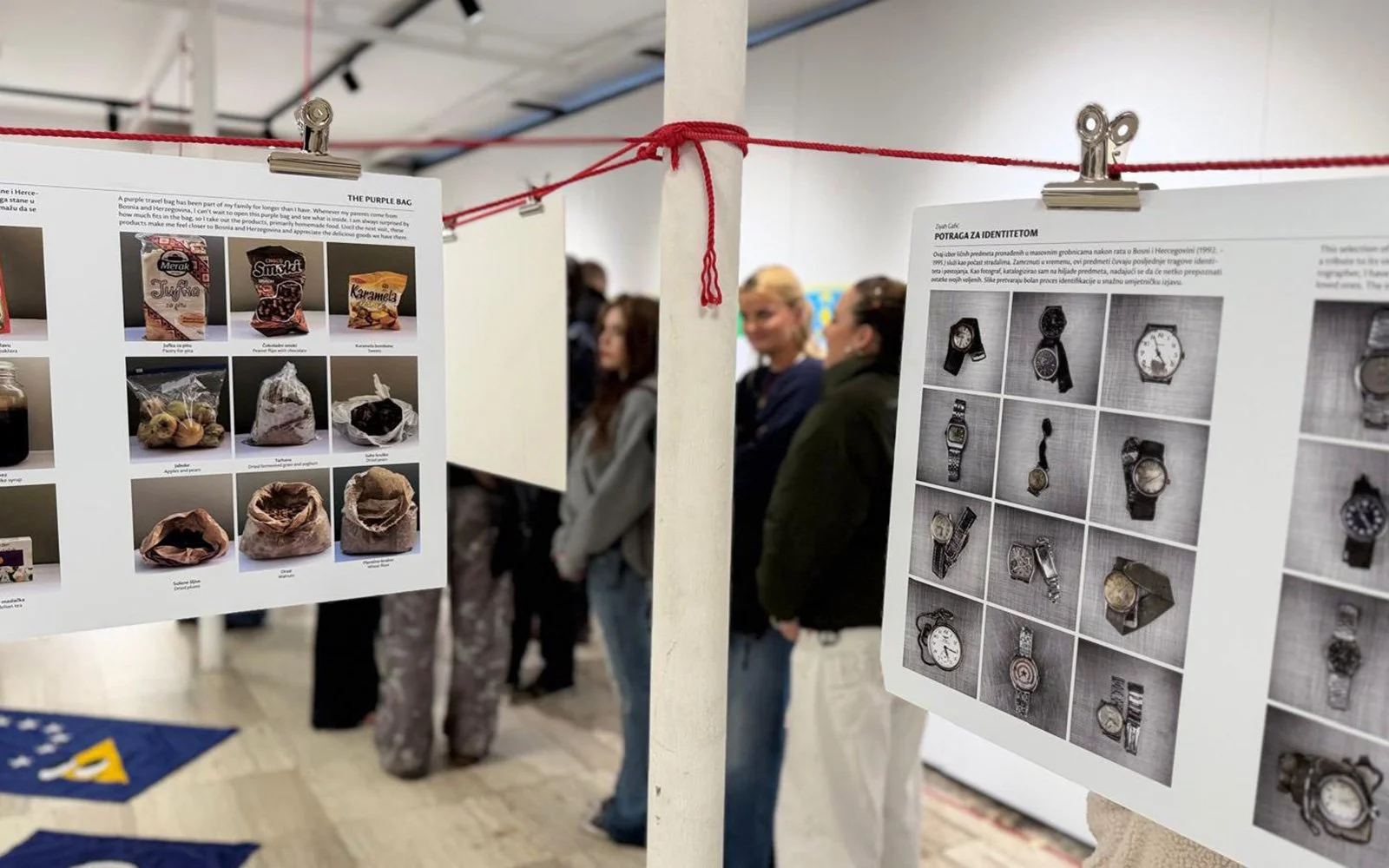
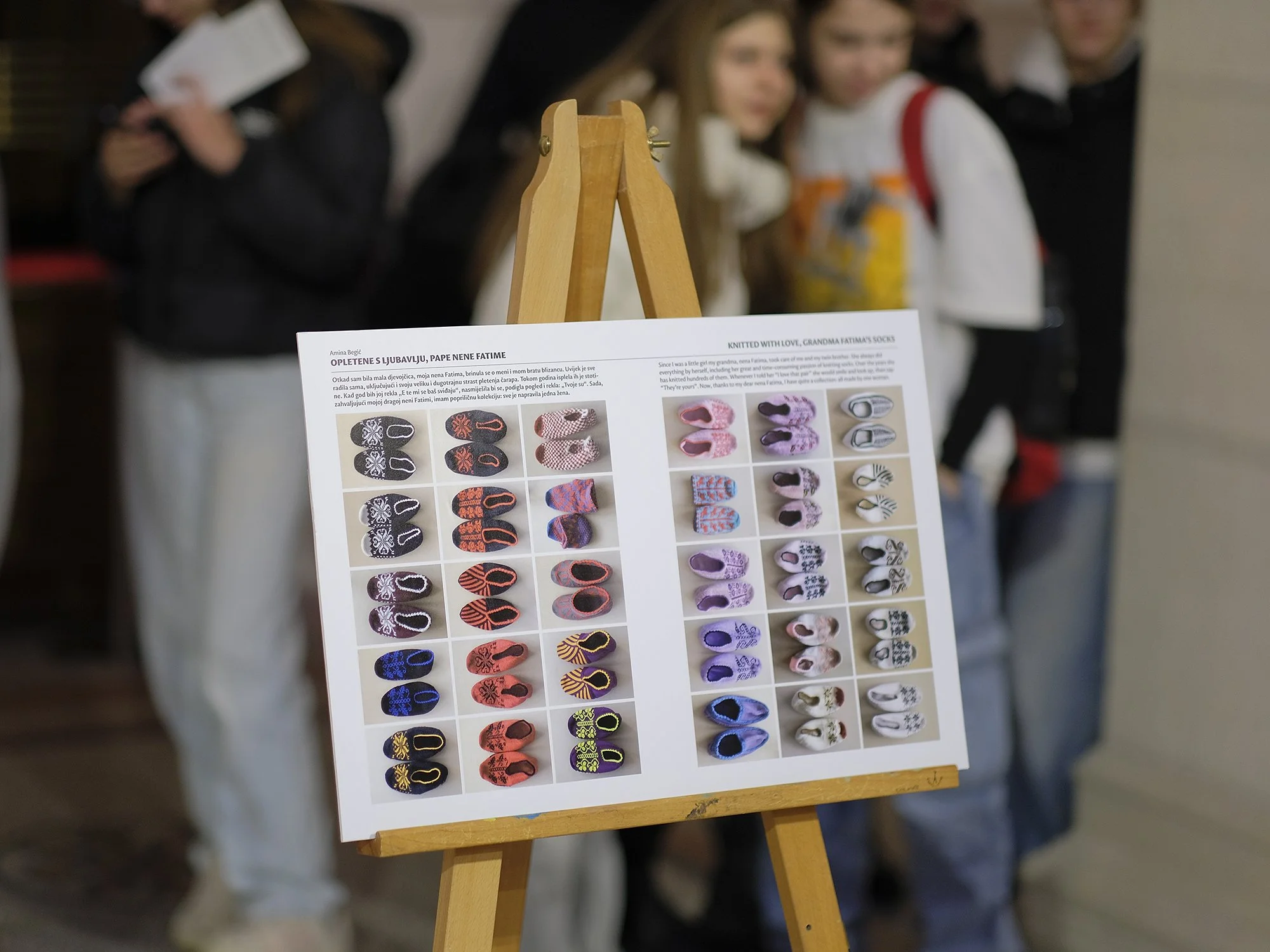
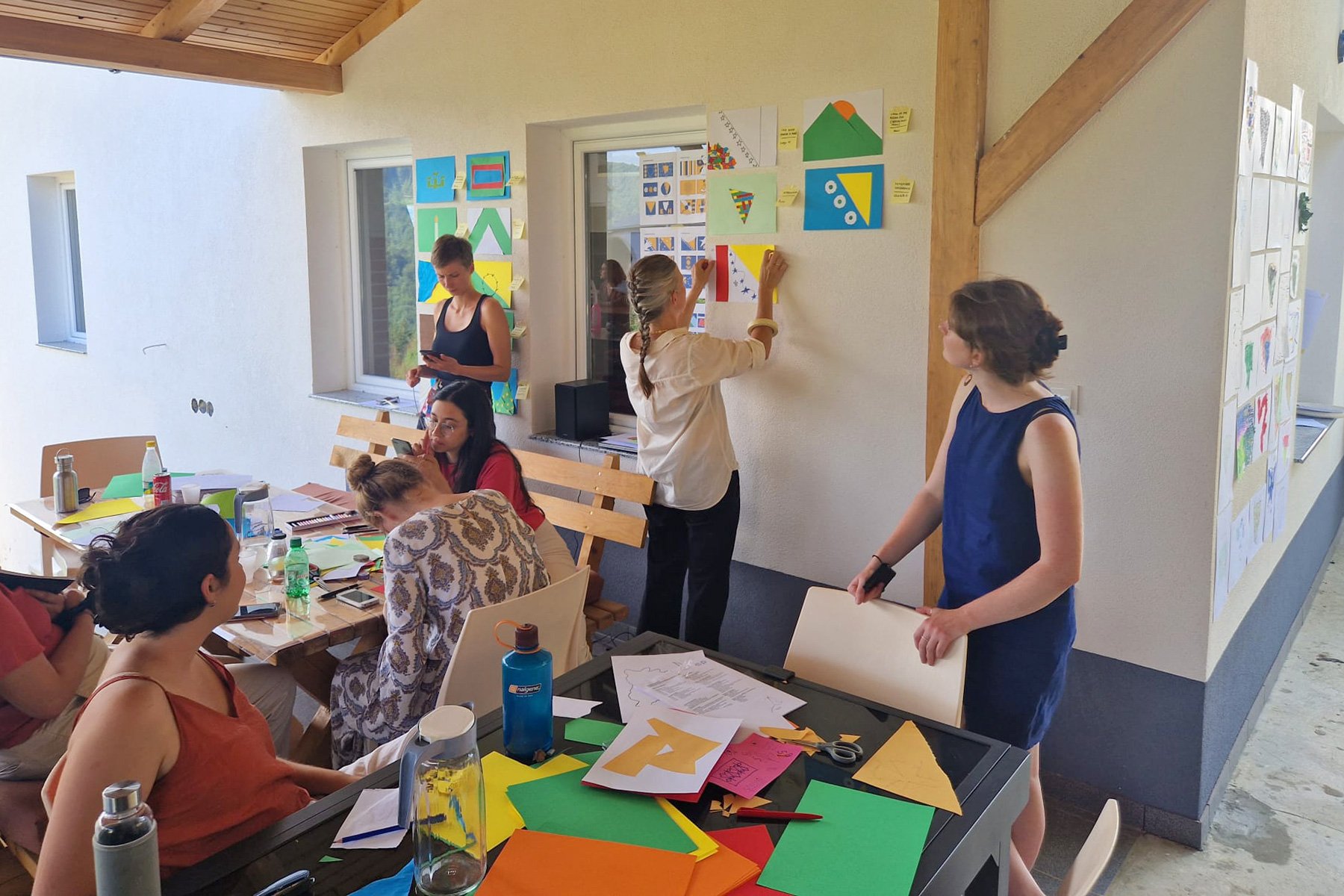
The exhibition brings together works by 88 young authors from Bosnia and Herzegovina and its diaspora. Through drawings, collages, and photography, the contributors present deeply personal and imaginative interpretations of the country. Developed through a series of workshops held in Sarajevo, Srebrenica, and Vitez, the artworks map how young people live with, remember, and reimagine Bosnia and Herzegovina today—revealing a landscape shaped as much by everyday life as by historical rupture.
Created through a partnership between the Center for Post-Conflict Research, Subjective Editions, and Newcastle University, the Subjective Atlas of Bosnia and Herzegovina uses visual storytelling and subjective cartography as tools for dialogue and reflection. The exhibition invites visitors to engage with intimate perspectives on place and memory, presenting Bosnia and Herzegovina as a shared space shaped by diversity, creativity, and the ongoing work of peace.
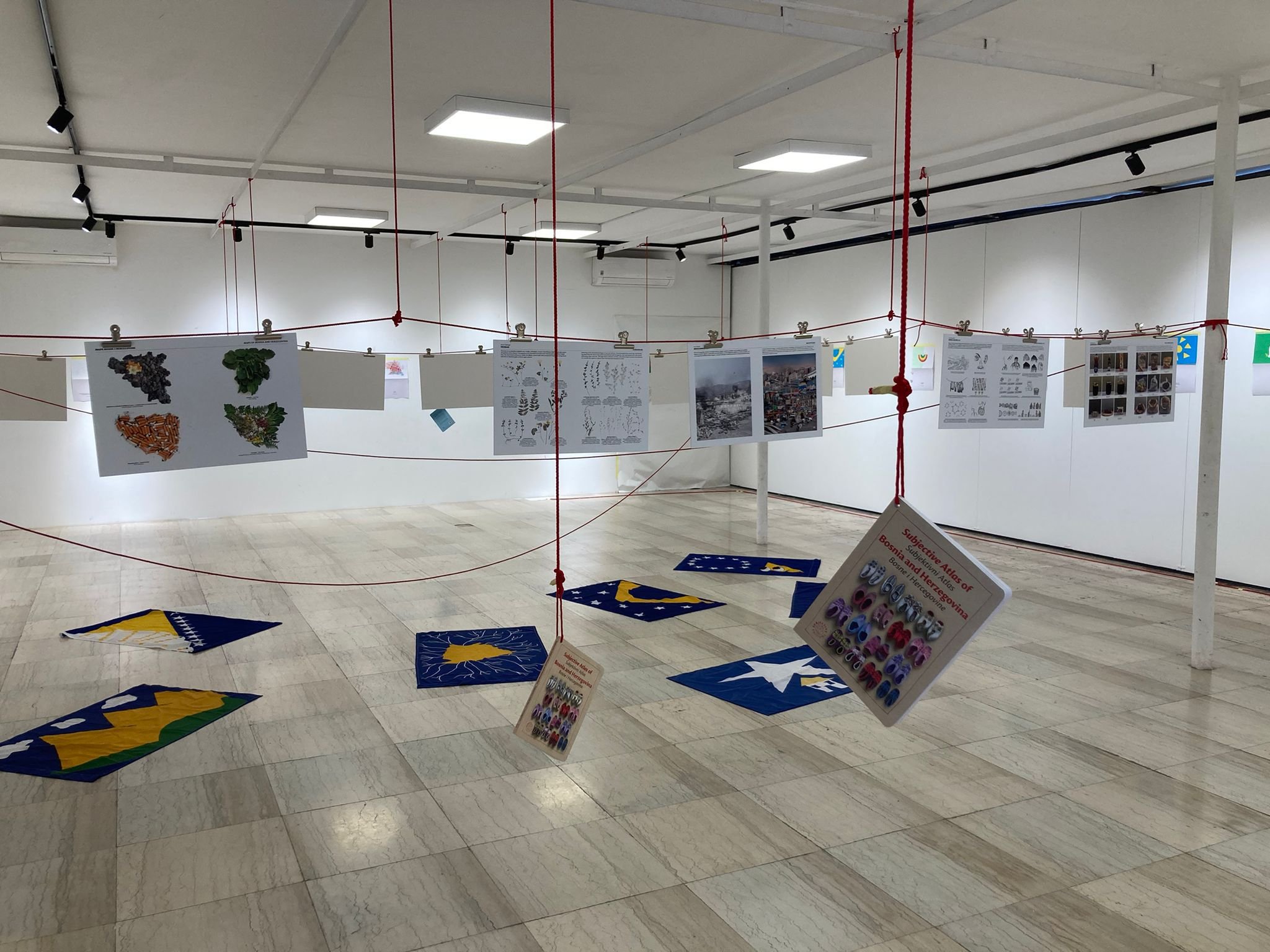
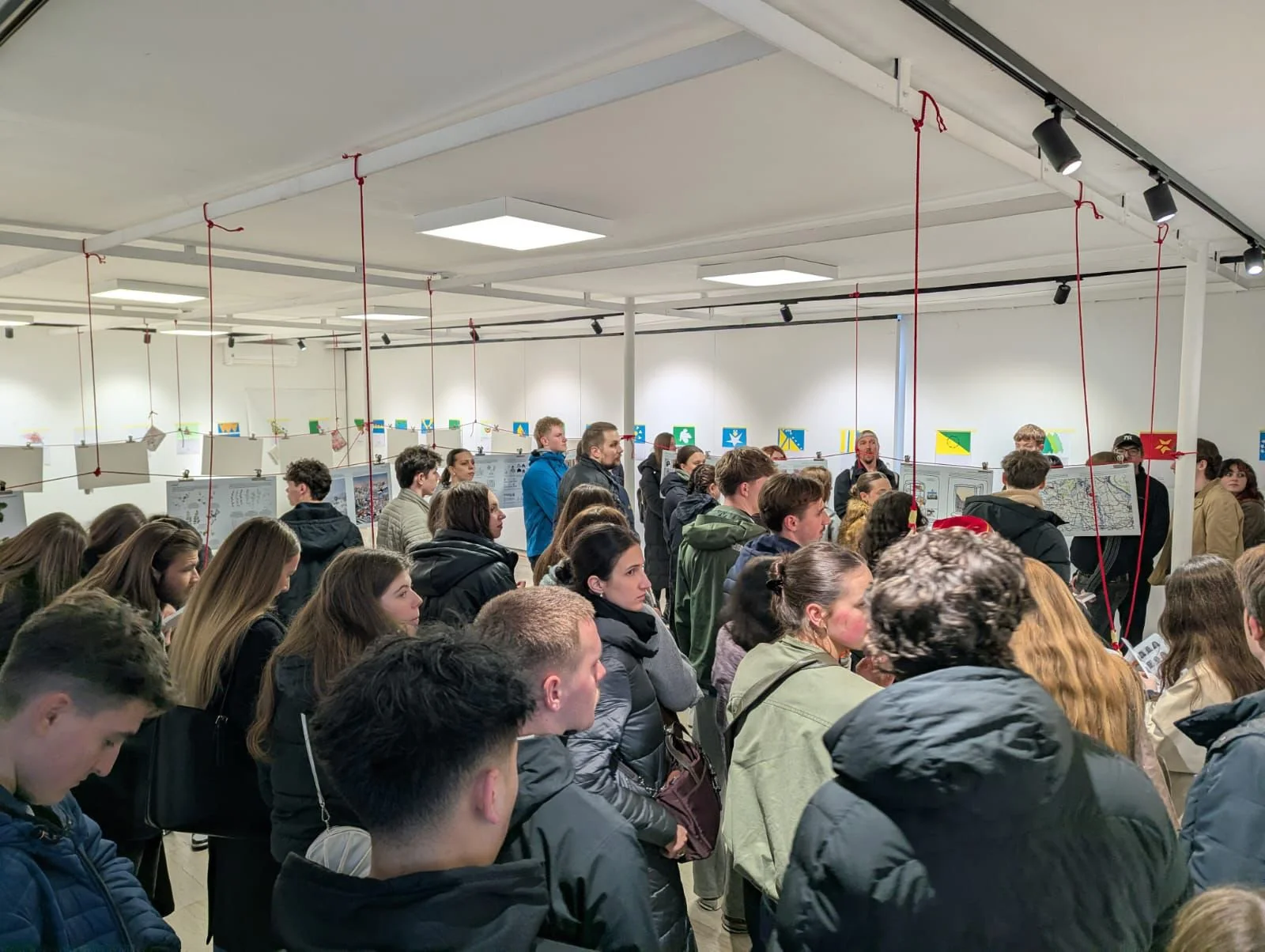
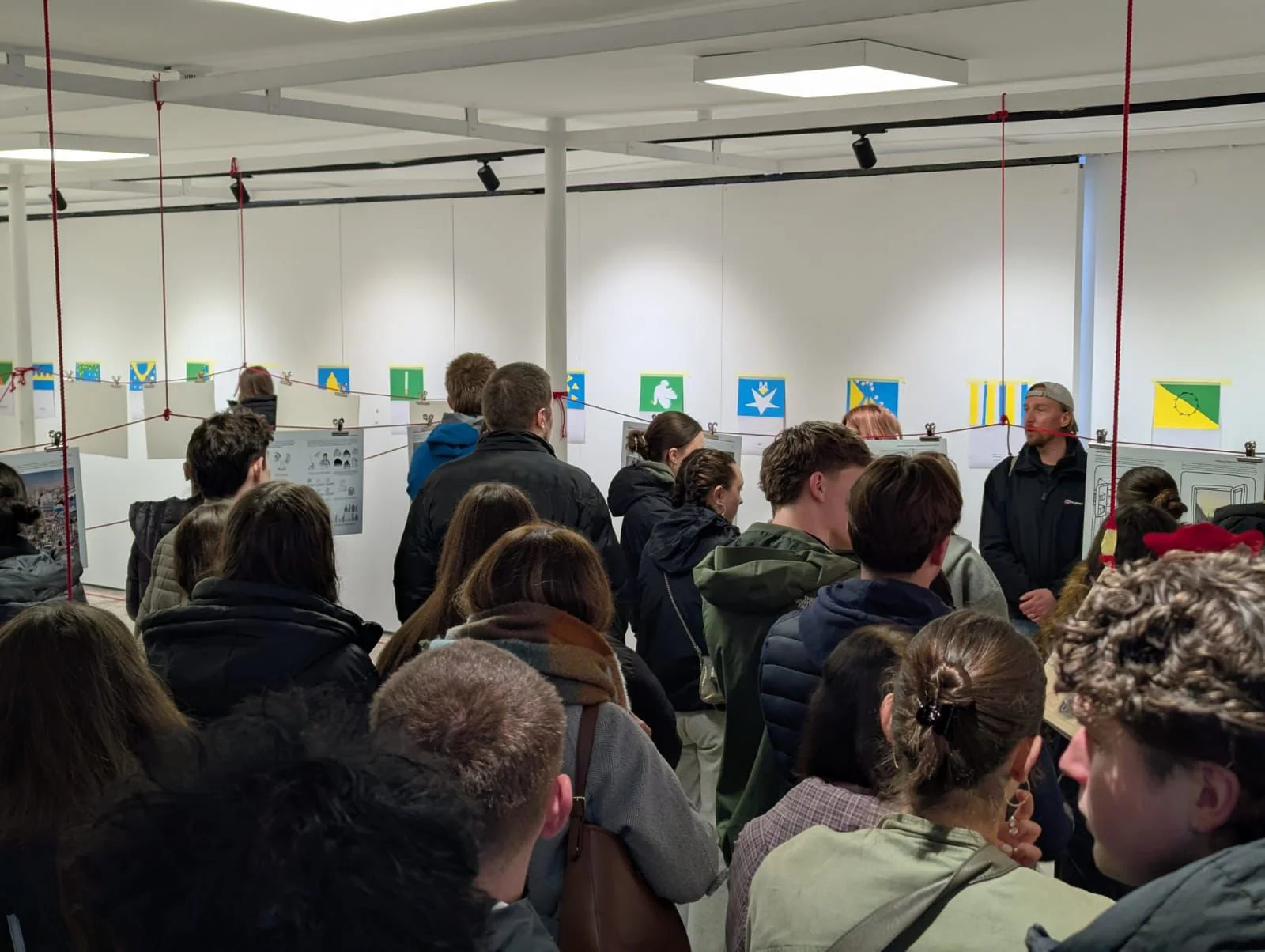


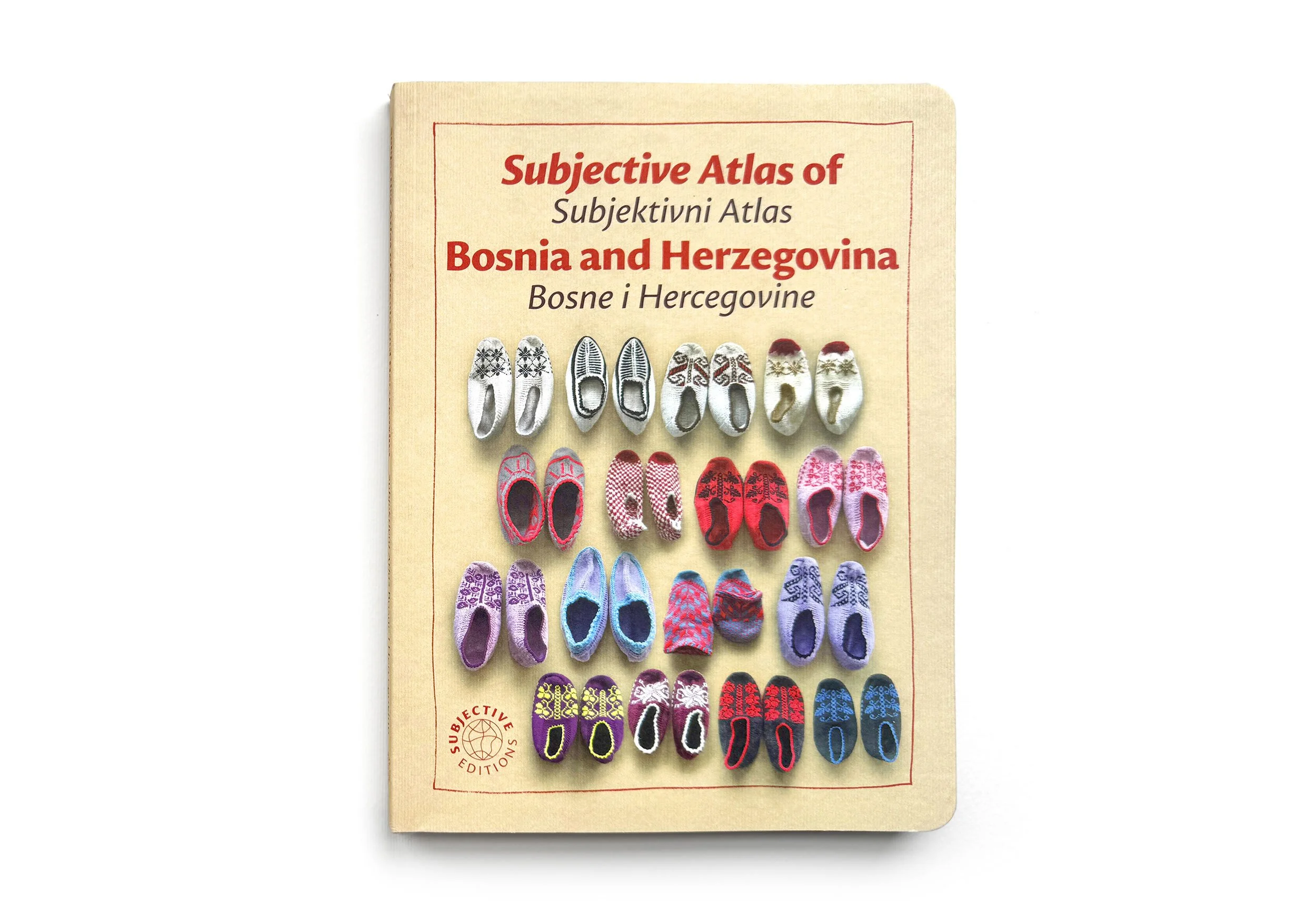




PCRC & Subjective Editions, 2025
Bosnian-English, 192 full-colour pages, 25,5 MB
—
The Subjective Atlas of Bosnia and Herzegovina brings together over eighty personal mappings from people living in a country long defined by outsiders—reduced to entities, ethnic categories, and wartime narratives. This atlas counters such simplifications with a polyphonic cartography: visual stories that show how people inhabit, remember, and imagine this place today.
Created through participatory workshops across Bosnia and Herzegovina, the contributions use drawing, collage, and photography to create alternative mappings of a conflict affected state. Rather than offering a fixed or objective account, these situated mappings aim to feel the country—through the materialities of war-damaged buildings, the taste of homemade juices, and the joy of small acts of kindness.
In a landscape where trauma lingers and political inertia persists, this publication opens space for critical imagination. It invites us to see Bosnia and Herzegovina not as divided, but as a layered place of entangled histories and resilient futures—mapped from within.
—
ISBN 978-9-46444-802-3
This publication is a result of a collaboration between Subjective Editions, Newcastle University and PCRC
Editor-in-Chief: Annelys de Vet (Subjective Editions)
Editorial support: Sana Gobbeh, Anita Karabašić, Paul Lowe, Tatjana Milovanović, Ivana Perić, Theresa Rauch, James Riding, Velma Šarić, Amina Sejfić
Foreword: Velma Šarić
Introduction: James Riding