Subjective mapping of Groningen
★ November 2024 → June 2026 ⚑
Initiated by the art space ARTisBOOK, the Subjective Atlas of Groningen invites a diverse group of residents to map what it means to feel at home in the province of Groningen. Between Autumn 2024 and Spring 2026, participants from different communities collaboratively create a multifaceted portrait of the region, capturing personal—and often invisible—experiences of belonging, displacement, resilience, and daily life. The mappings emerge through partnerships with local organisations that open their doors and invite their communities to contribute: Academie Minerva, St. Willibrordus Primary School in Oude Pekela, the Oudeschip Village Association, Kraaienest in Groningen, and Stichting De Vrolijkheid at the Delfzijl asylum seekers’ centre. Together, these subjective mappings form a collective exploration of what it means to inhabit this province, and how home is continuously made and remade across its many communities.
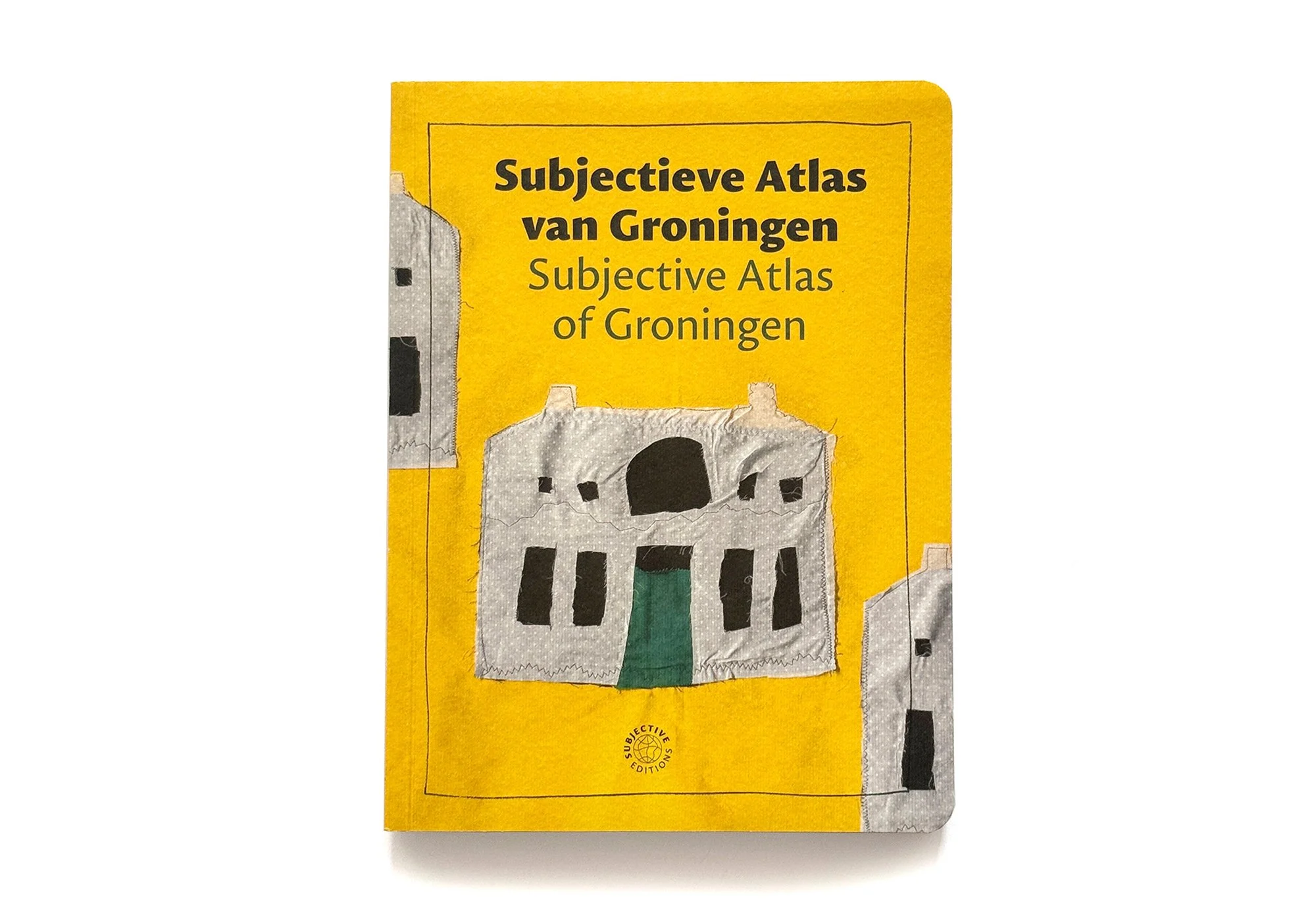
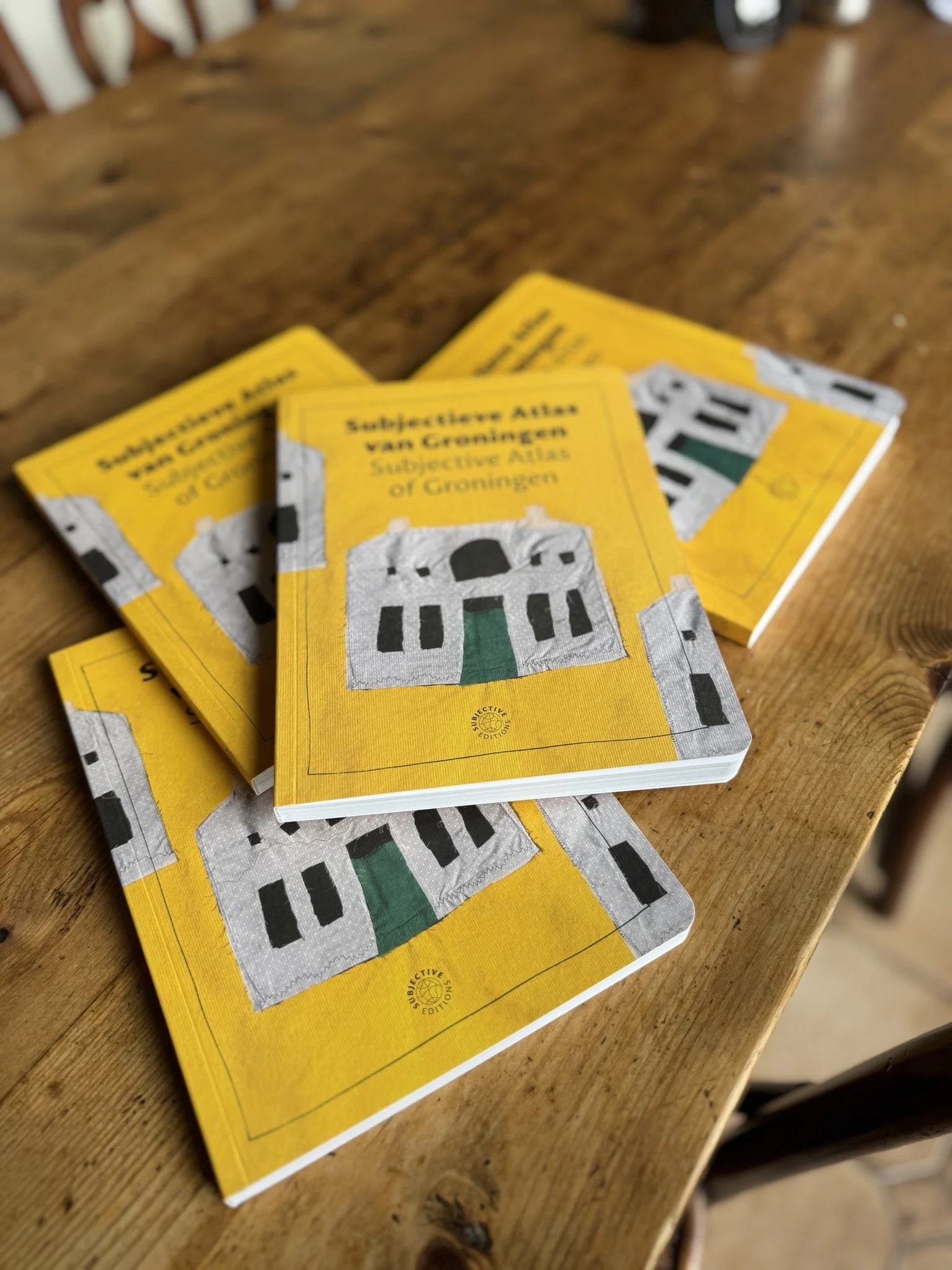
ARTisBOOK & Subjective Editions, 2026
Dutch-English, 192 full-colour pages, 16.5 x 22 cm
—
The Subjective Atlas of Groningen brings together a diverse group of Groningers mapping the province and what it means to be “at home,” in order to share and make visible the personal, but often invisible, experiences of various resident groups in Groningen.
Created through participatory workshops and public activities—including exhibitions, events, and participatory sessions across the province—the project invites local communities to share their stories, becoming visible both physically and online. In seven workshops organized by the partner organizations, approximately 80 participants explored their vision of “being at home” in Groningen. Through creative sessions, they reflected on personal themes and developed visual contributions, fostering interaction and providing space for diverse perspectives and stories.
—
ISBN 978-9-46-444803-0
This publication is a result of collaboration between Subjective Editions and ARTisBOOK
Editor-in-chief: Annelys de Vet
Research, development and editing: Pieter Augustijn, Ruby de Vos, Jedidja Smalbil
Preface: Pieter Augustijn, Ruby de Vos
Introduction: Wilbert van de Kamp
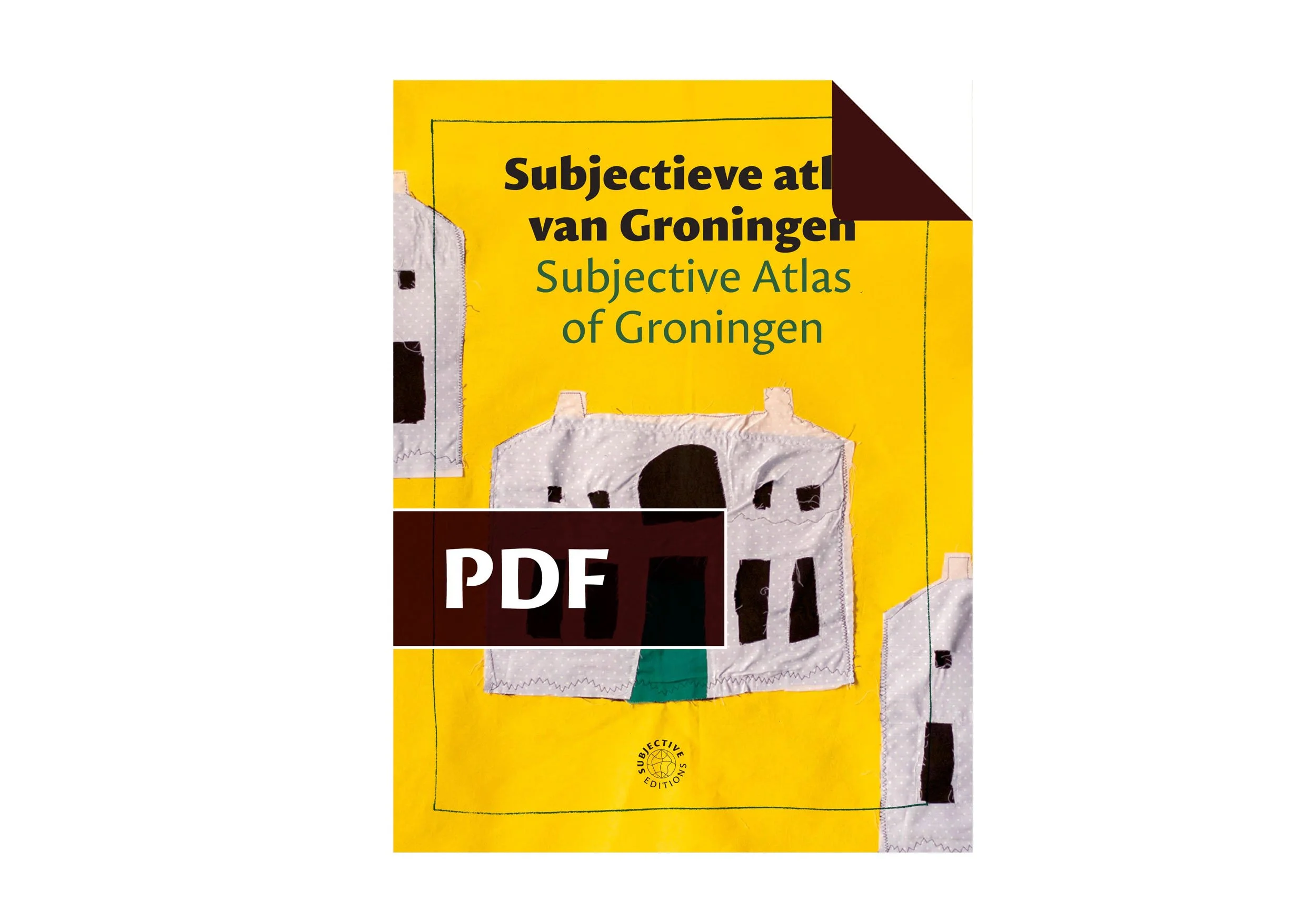
ARTisBOOK & Subjective Editions, 2026
Dutch-English, 192 full-colour pages, 30,7 MB
—
The Subjective Atlas of Groningen brings together a diverse group of Groningers mapping the province and what it means to be “at home,” in order to share and make visible the personal, but often invisible, experiences of various resident groups in Groningen.
Created through participatory workshops and public activities—including exhibitions, events, and participatory sessions across the province—the project invites local communities to share their stories, becoming visible both physically and online. In seven workshops organized by the partner organizations, approximately 80 participants explored their vision of “being at home” in Groningen. Through creative sessions, they reflected on personal themes and developed visual contributions, fostering interaction and providing space for diverse perspectives and stories.
—
ISBN 978-9-46-444803-0
This publication is a result of collaboration between Subjective Editions and ARTisBOOK
Editor-in-chief: Annelys de Vet
Research, development and editing: Pieter Augustijn, Ruby de Vos, Jedidja Smalbil
Preface: Pieter Augustijn, Ruby de Vos
Introduction: Wilbert van de Kamp
Events



Workshops


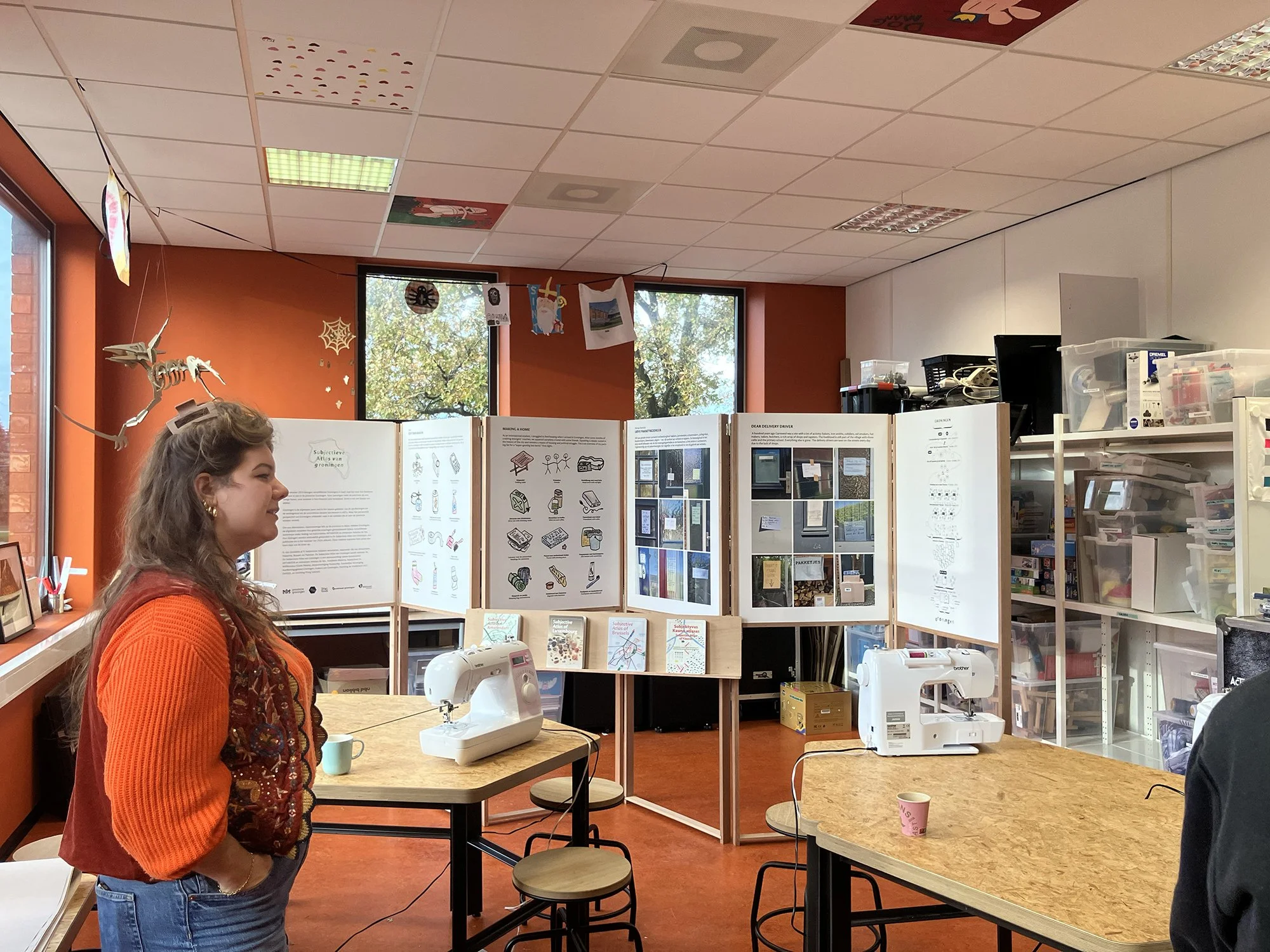

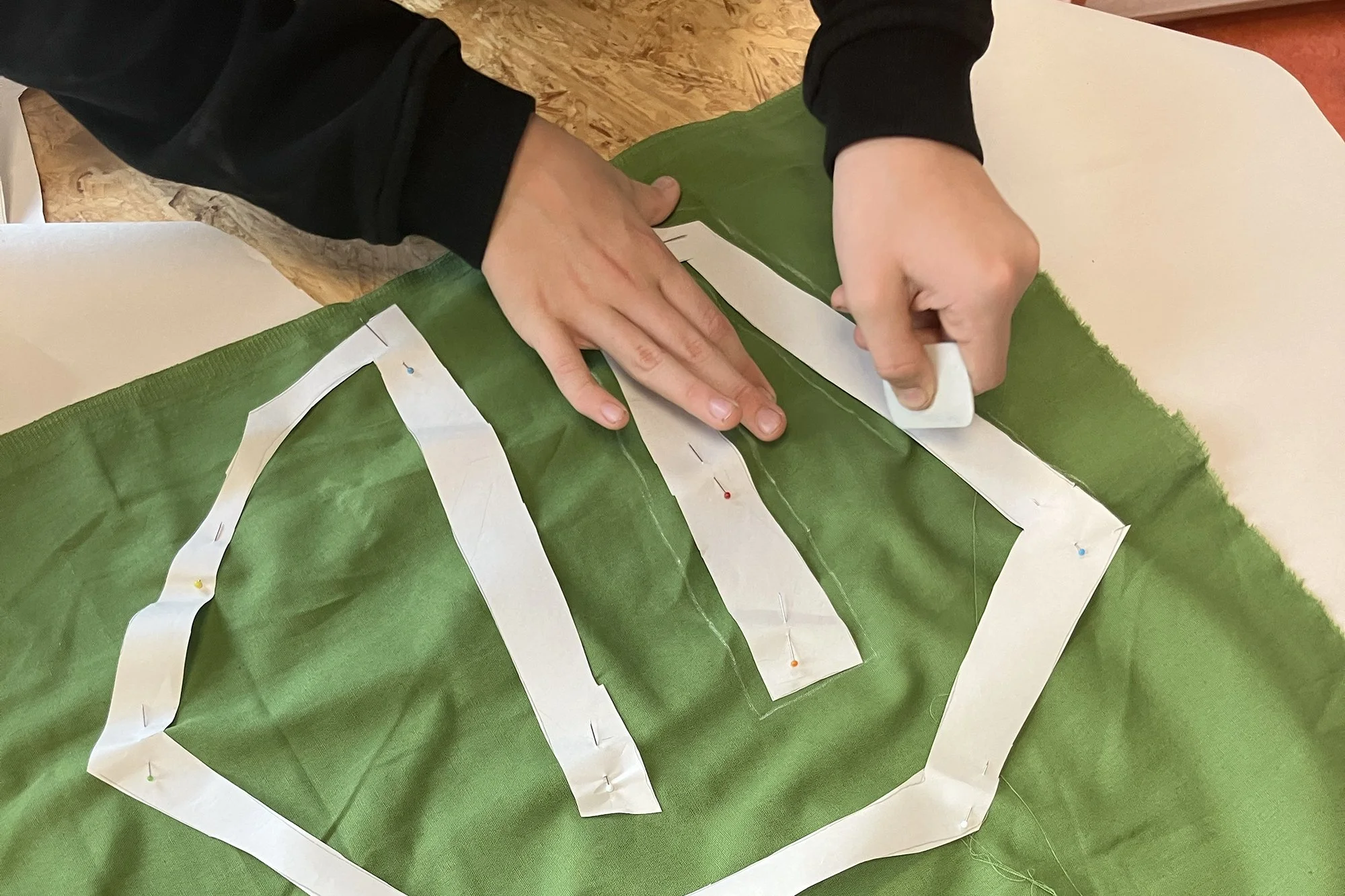
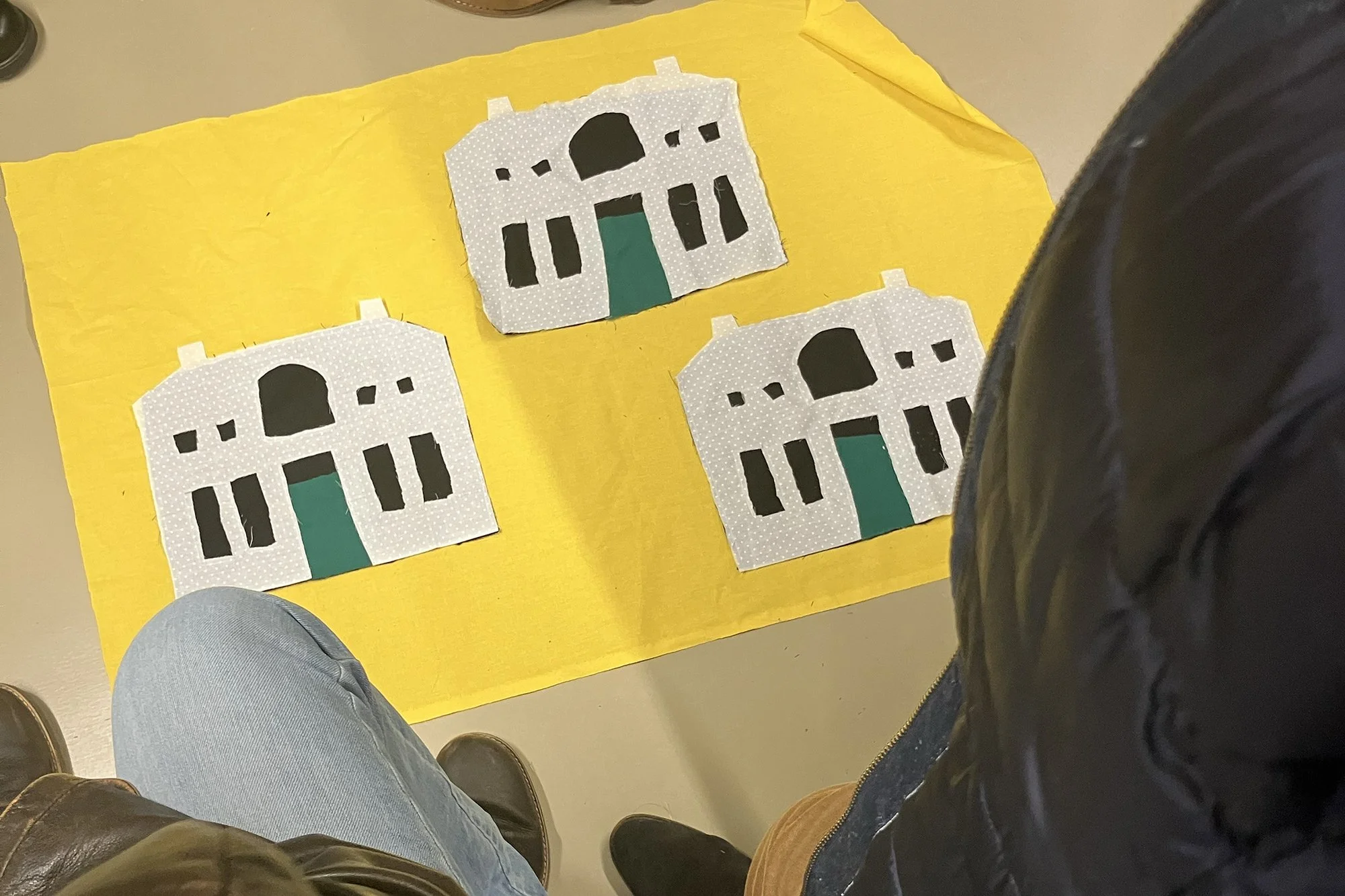

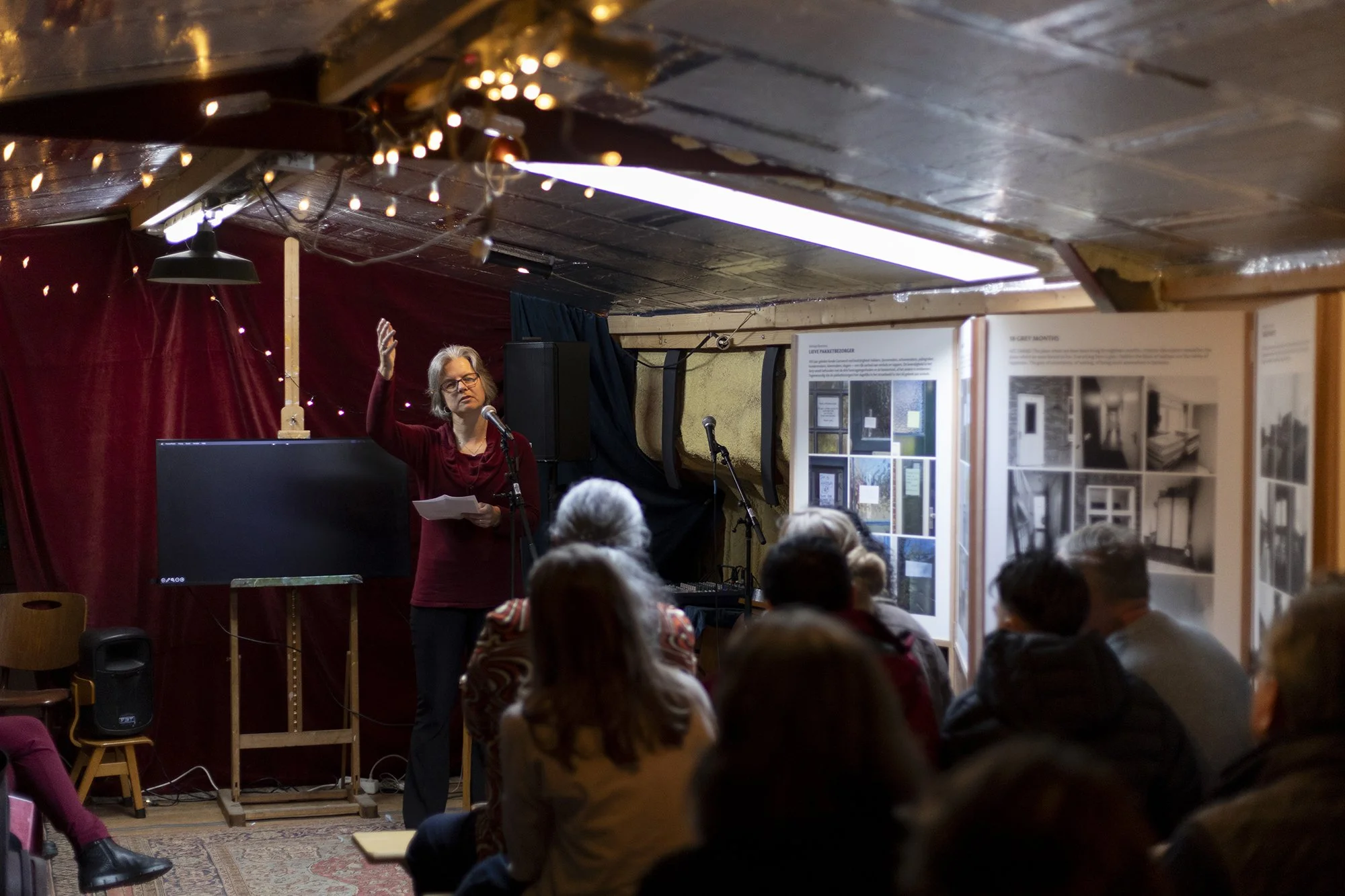
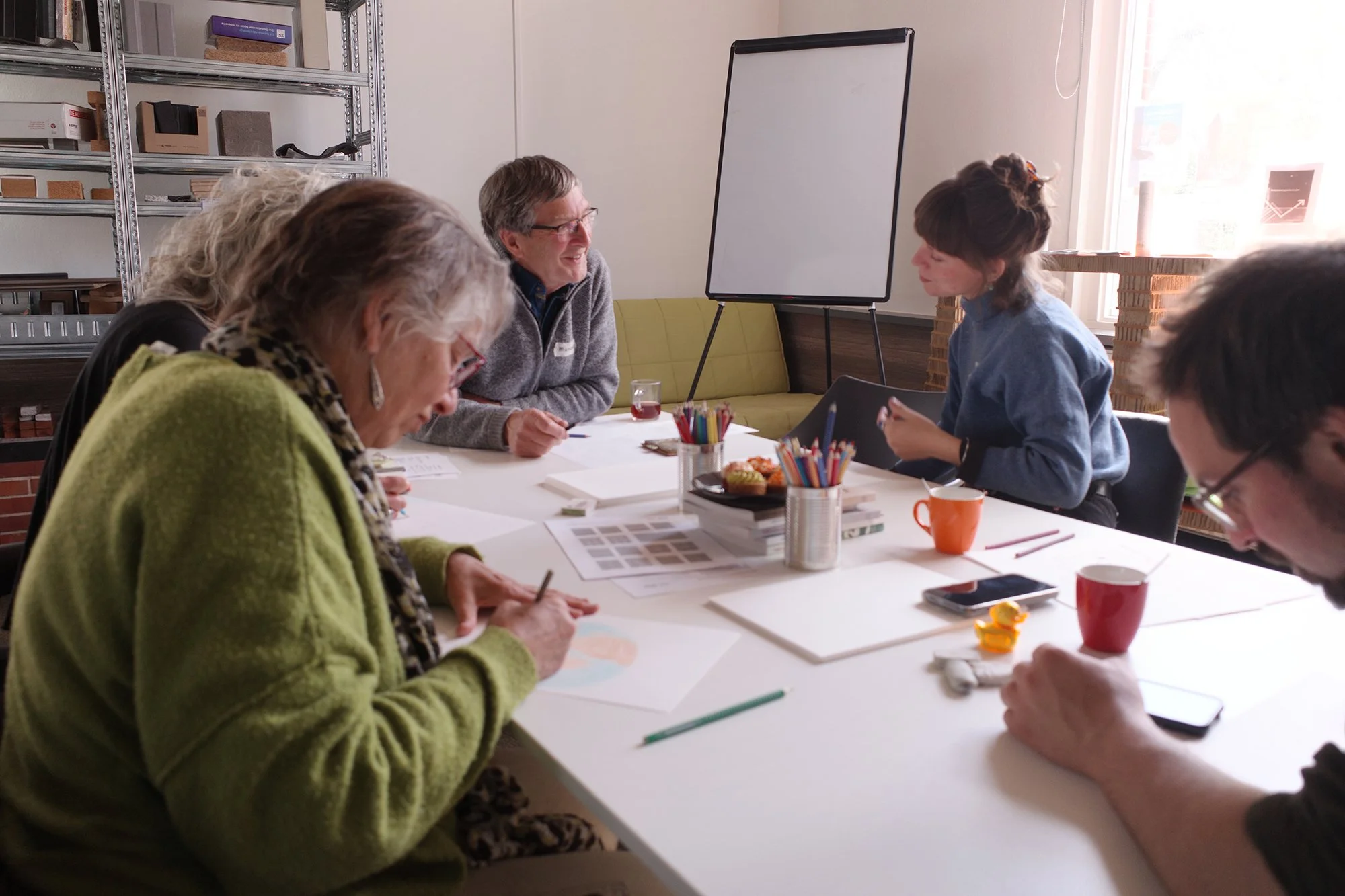
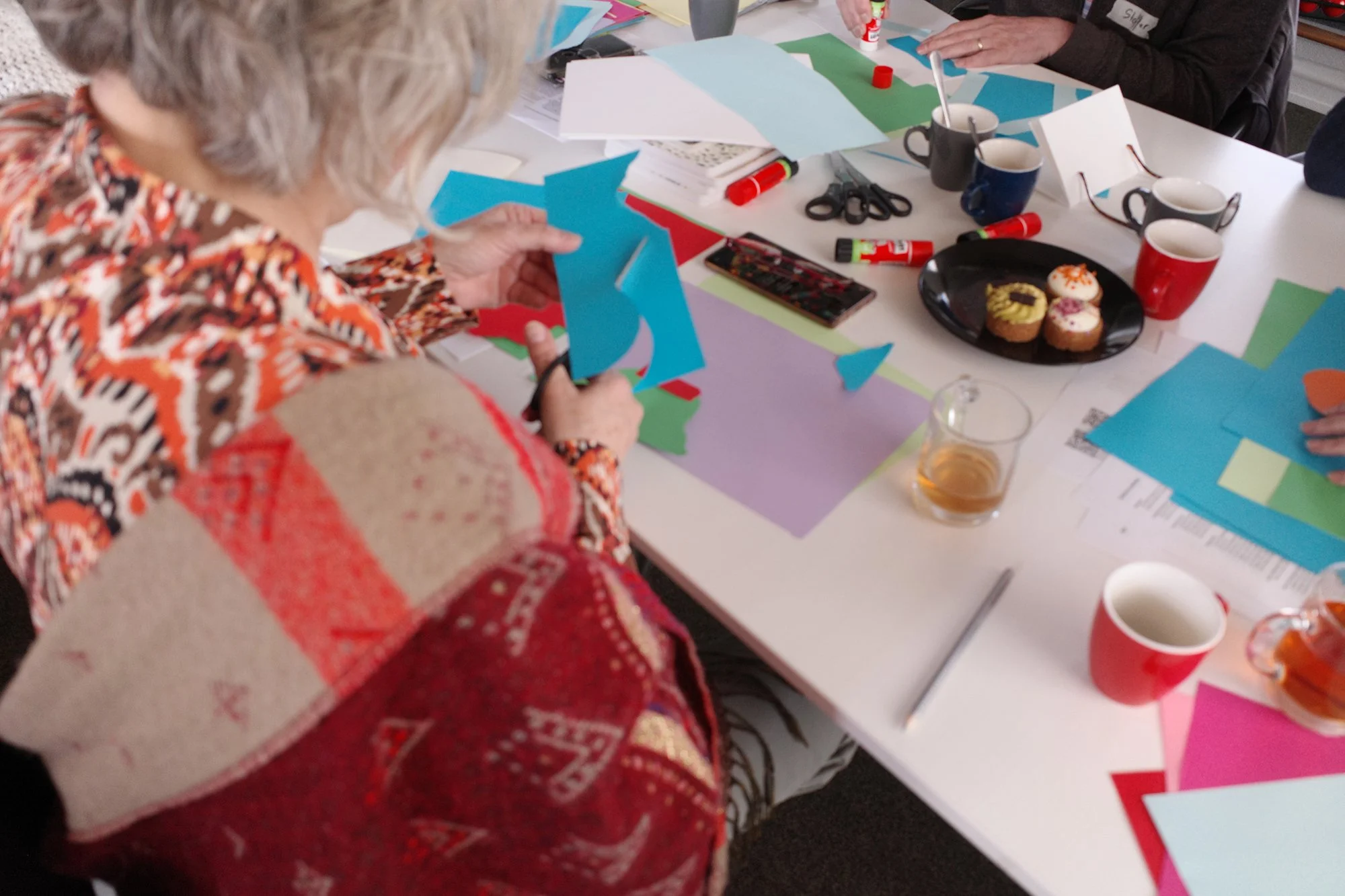
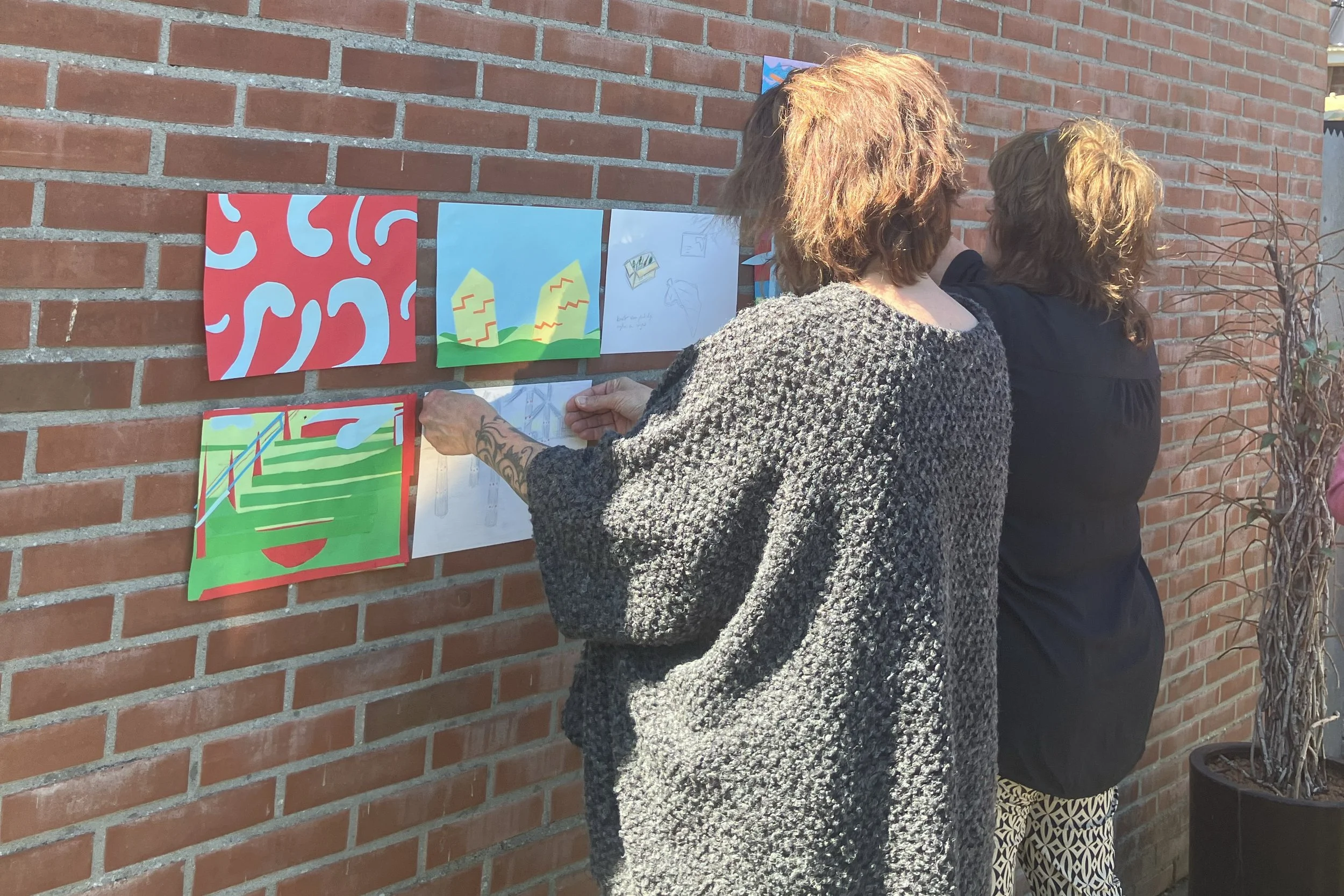
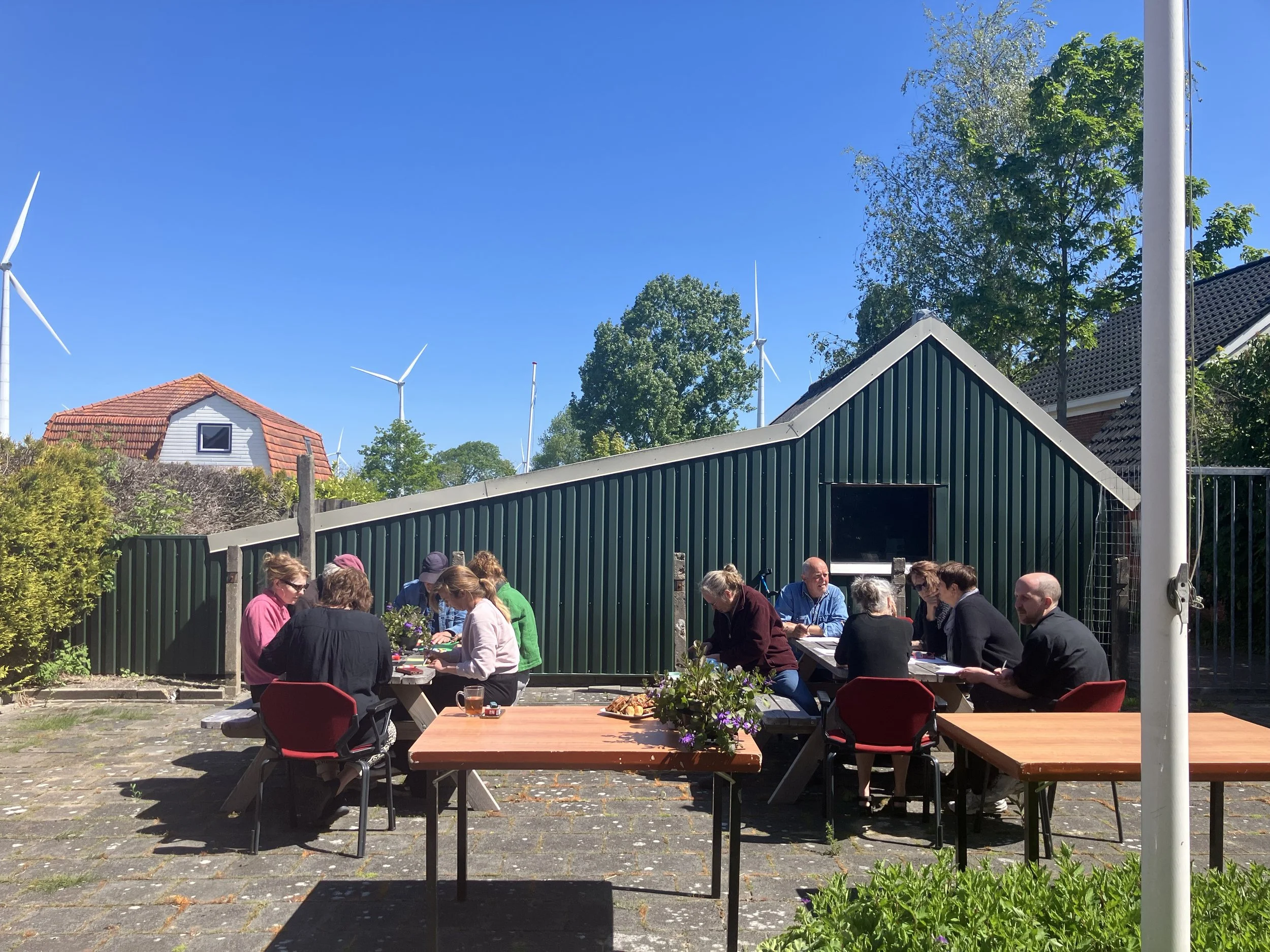
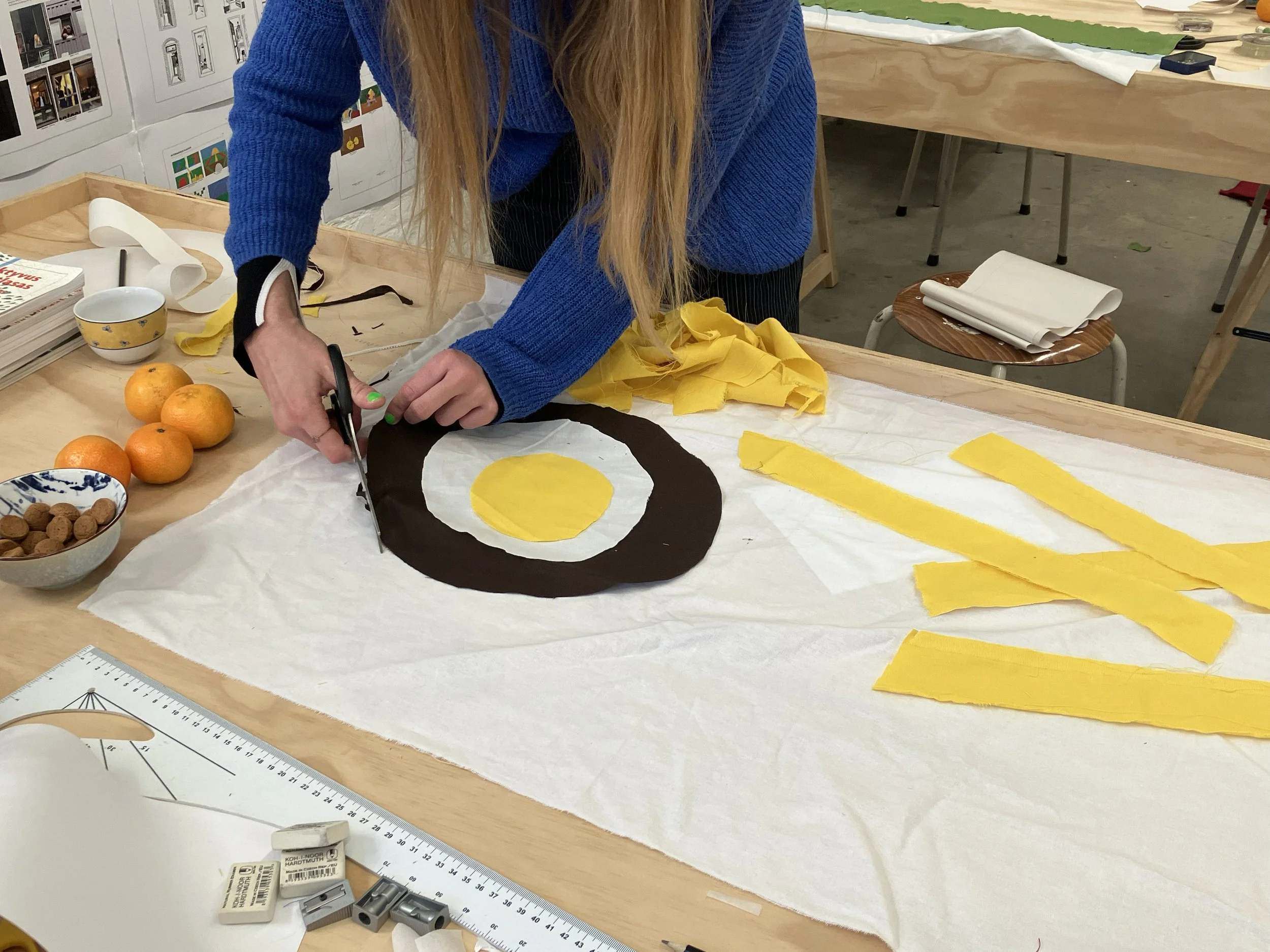
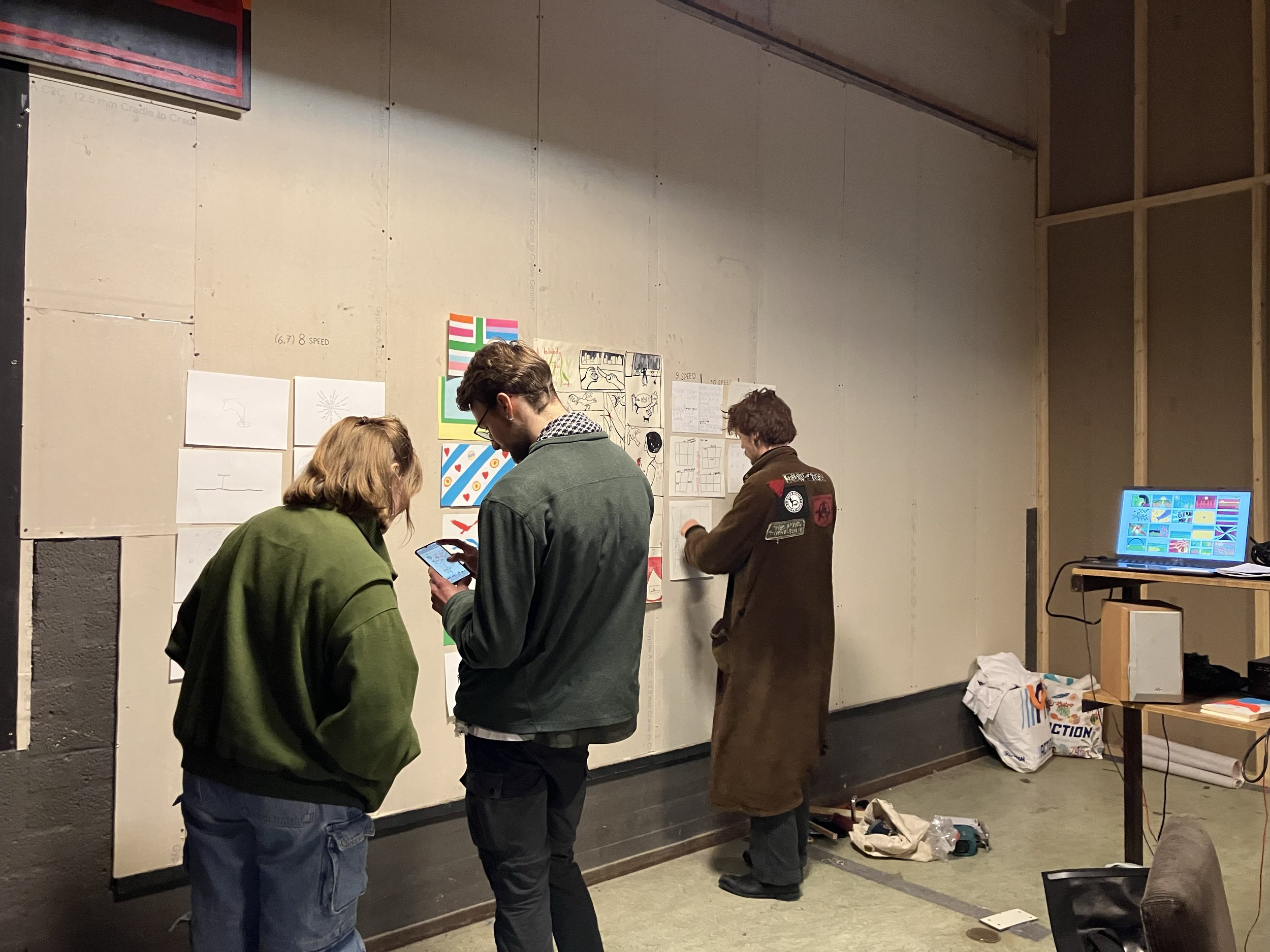
The Subjective Atlas of Groningen is the work of more than a hundred Groningers, who together imagined what it means to feel at home in this province. Their sense of feeling at home is under pressure and constantly challenged: by advancing industry and disappearing bus services; by the ground beneath our feet, which proved less immovable than we once thought; by the endless waiting in refugee centres; by the traces of a violent past still present today.
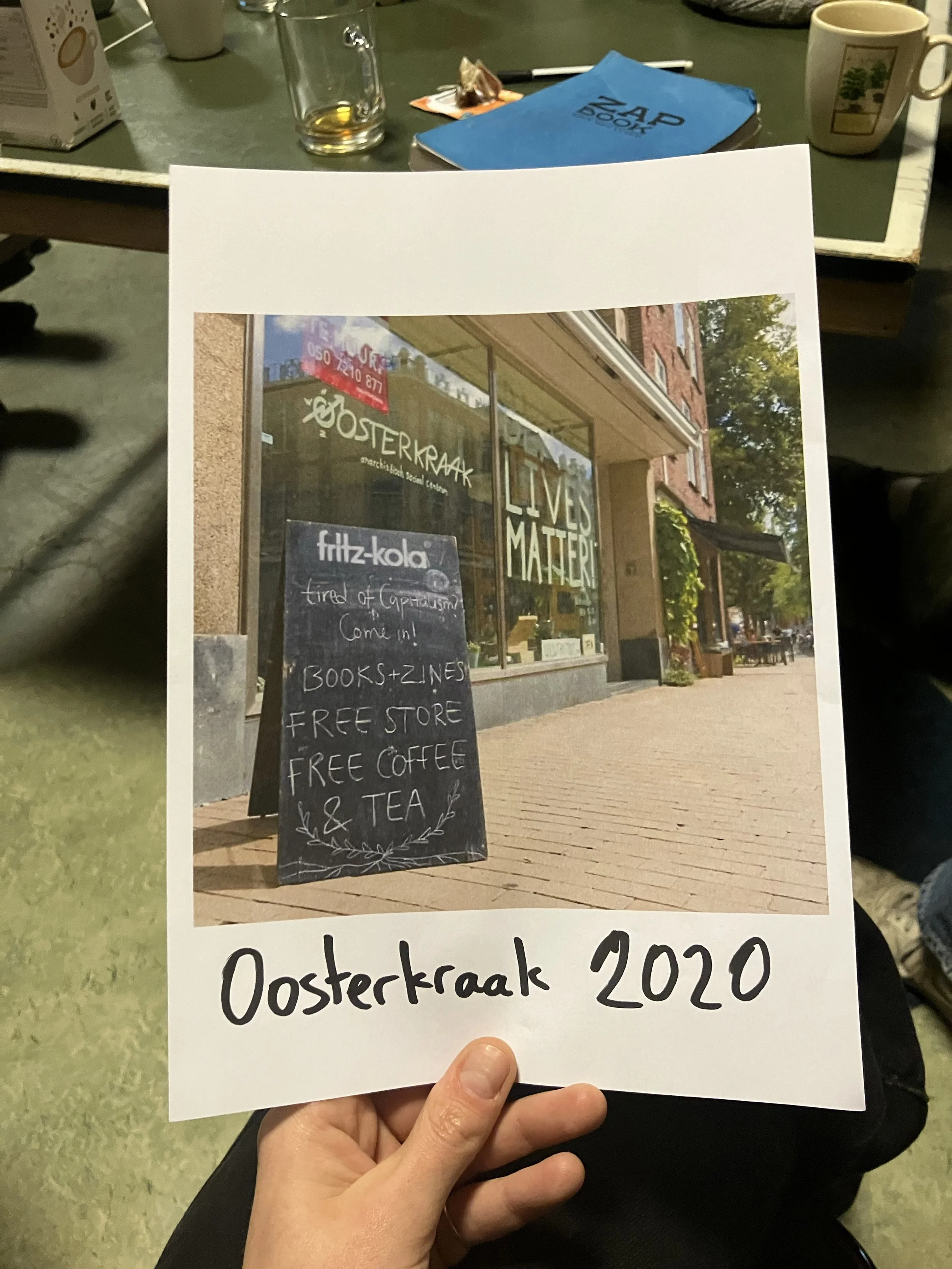
These Groningers were invited by seven different partner organisations: St. Willibrordus Primary School, De Vrolijkheid, Oudeschip Village Interests, Spiritual Care Earthquake Area (GVA), squatters of Groningen, Pittig Gekruid, and the students of Minerva Art Academy. Each organisation selected people from within their own network to contribute to the atlas, and organised workshops where each participant imagined their relationship to the province. Doubts were often voiced: Is this really something for me? Am I creative enough? What image of Groningen does my contribution create, and how might it shape the perception of the province? Do I really want to share and relive this sad or painful experience? Am I truly ‘Groninger enough’ to make a contribution to this book?
These fundamental questions about identity and belonging, about representation and agency, touched the very core of the atlas. And precisely because there was space to express this doubt, remarkable conversations emerged in which it became possible to discuss and question each other's assumptions and ideas. The exchanges were personal and critical, but just as often also caring. Where Groningers usually prefer to express their pride in the province silently, during the workshops it was spoken aloud — about love for the Wadden Sea, the yellow of the rapeseed fields and window frames, the language, the silence and customs. About a deep sense of community when it matters, Groningen stubbornness, the diversity of cultures and a down-to-earth character. Listening to each other's stories proved to be just as important as telling them.
Process
Concept Development and Organisation, 2023–2024
In the autumn of 2023, ARTisBOOK and Subjective Editions decide to collaborate on the Subjective Atlas of Groningen. During this period, we develop the focus of the project, secure the necessary funding, and invite partners to participate.
Kick-off, 3 October, 2024
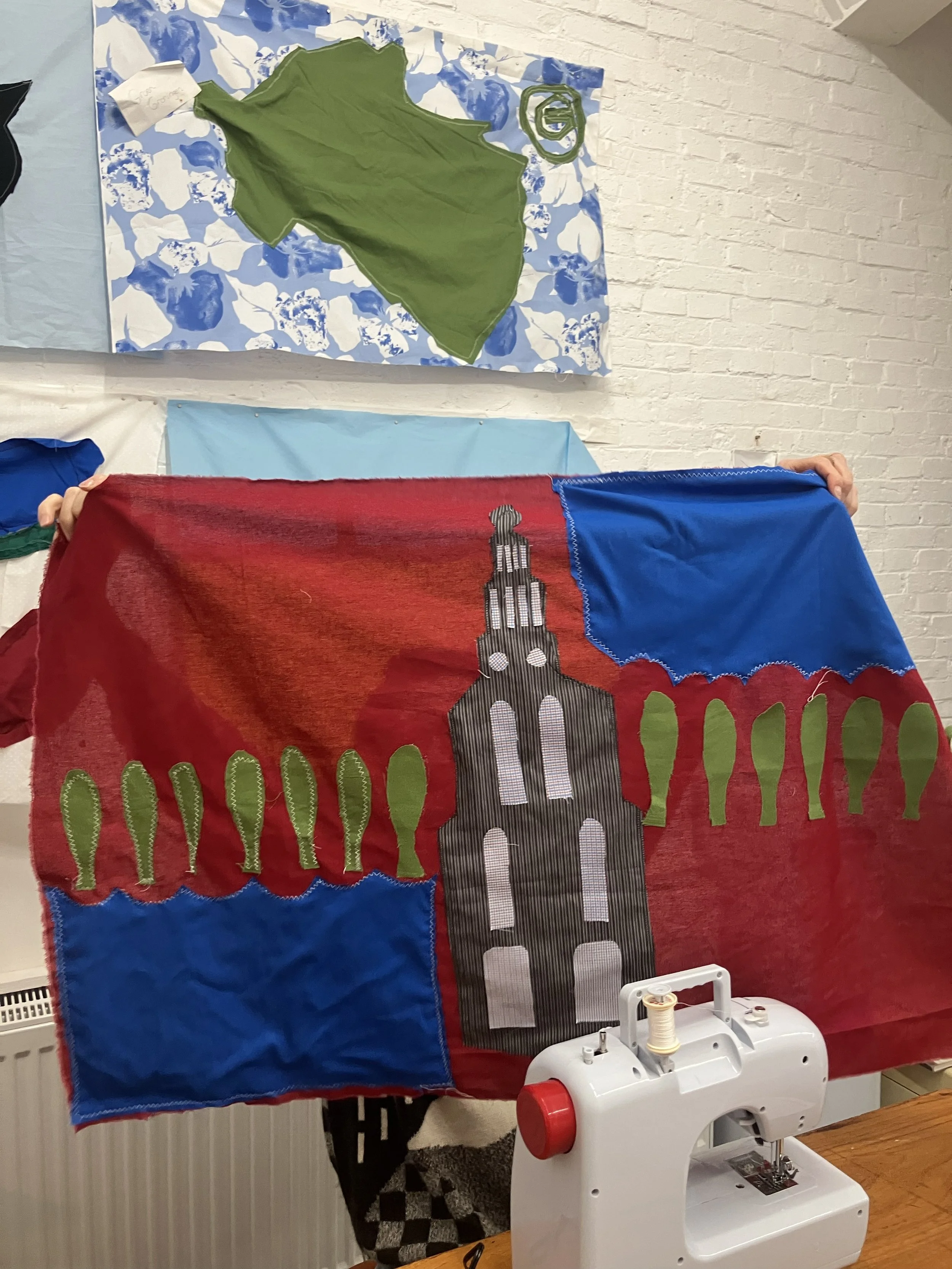
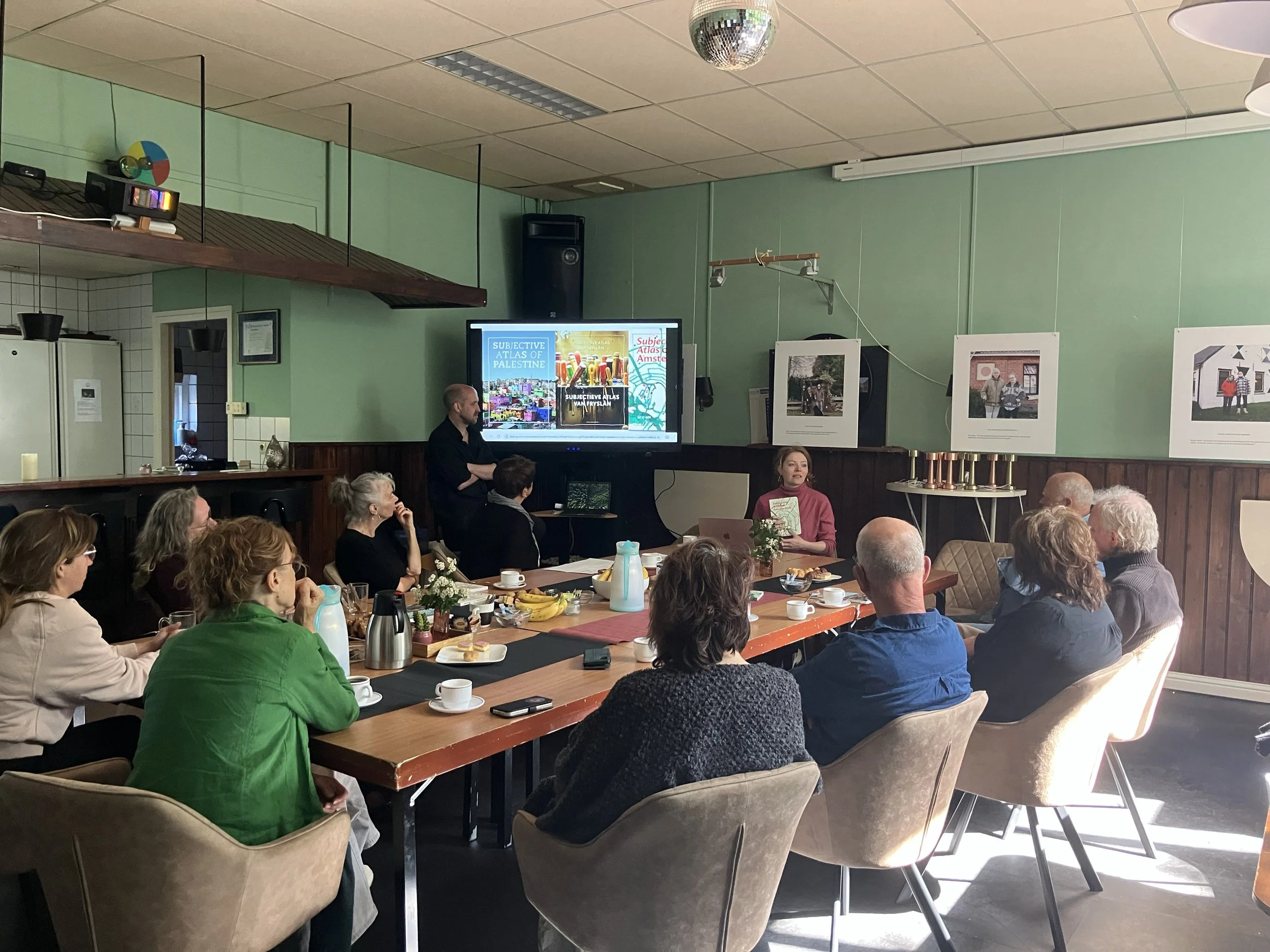
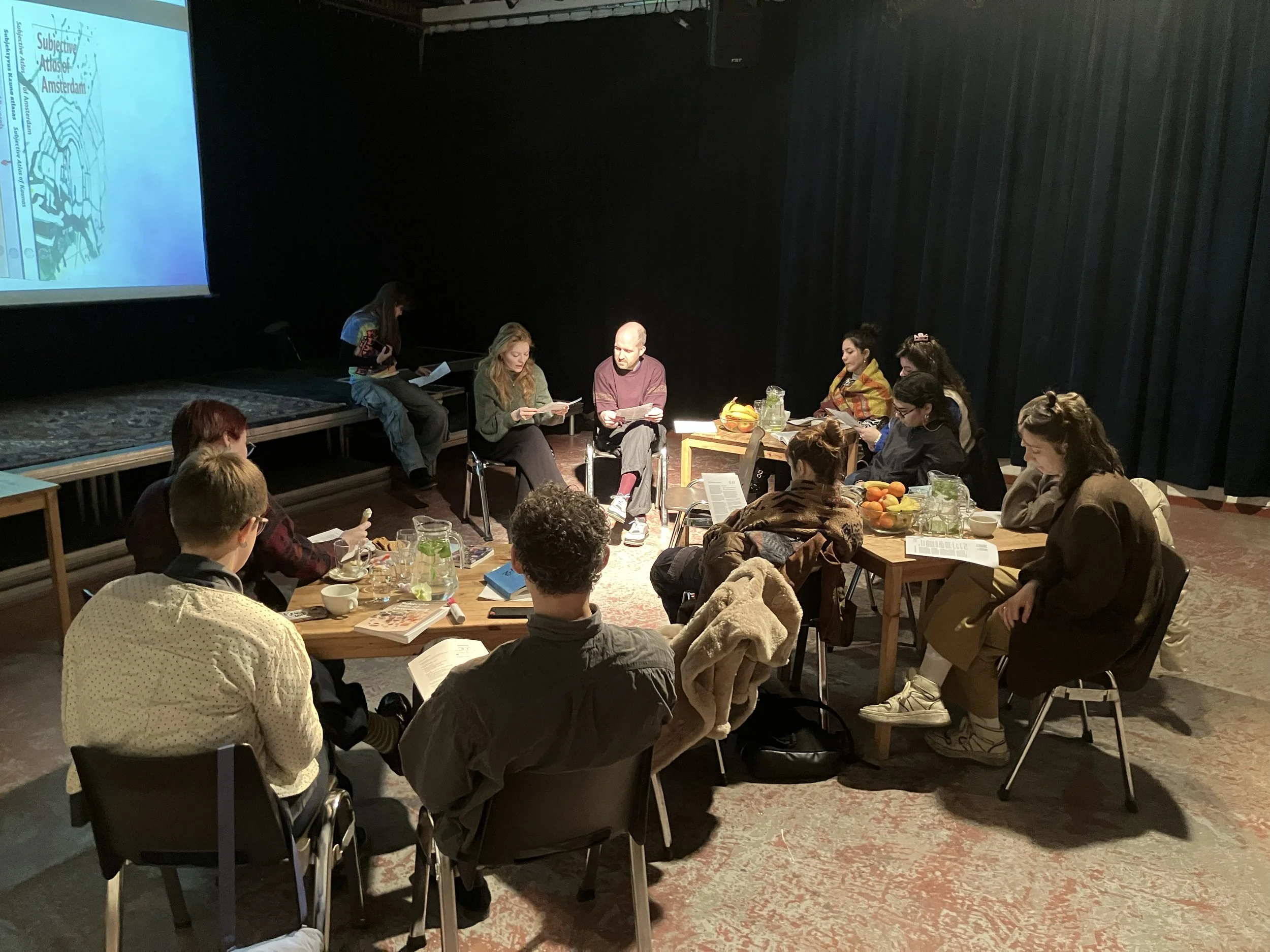
We kick off at Minerva Art Academy, where Annelys de Vet gives a lecture introducing the Subjective Atlas and the ideas behind it. Afterwards, we walk to ARTisBOOK to visit the opening exhibition and to share a meal together. Visitors make the first alternative maps and flags of Groningen and hang them on the wall.
Workshop with and for Partners, 4 October, 2024
We collaborate with seven partner organisations. During this first workshop, we gather with several coordinators, and under the guidance of Annelys, everyone becomes acquainted with the Subjective Atlas and the workshop methodology, and develops the first contributions.
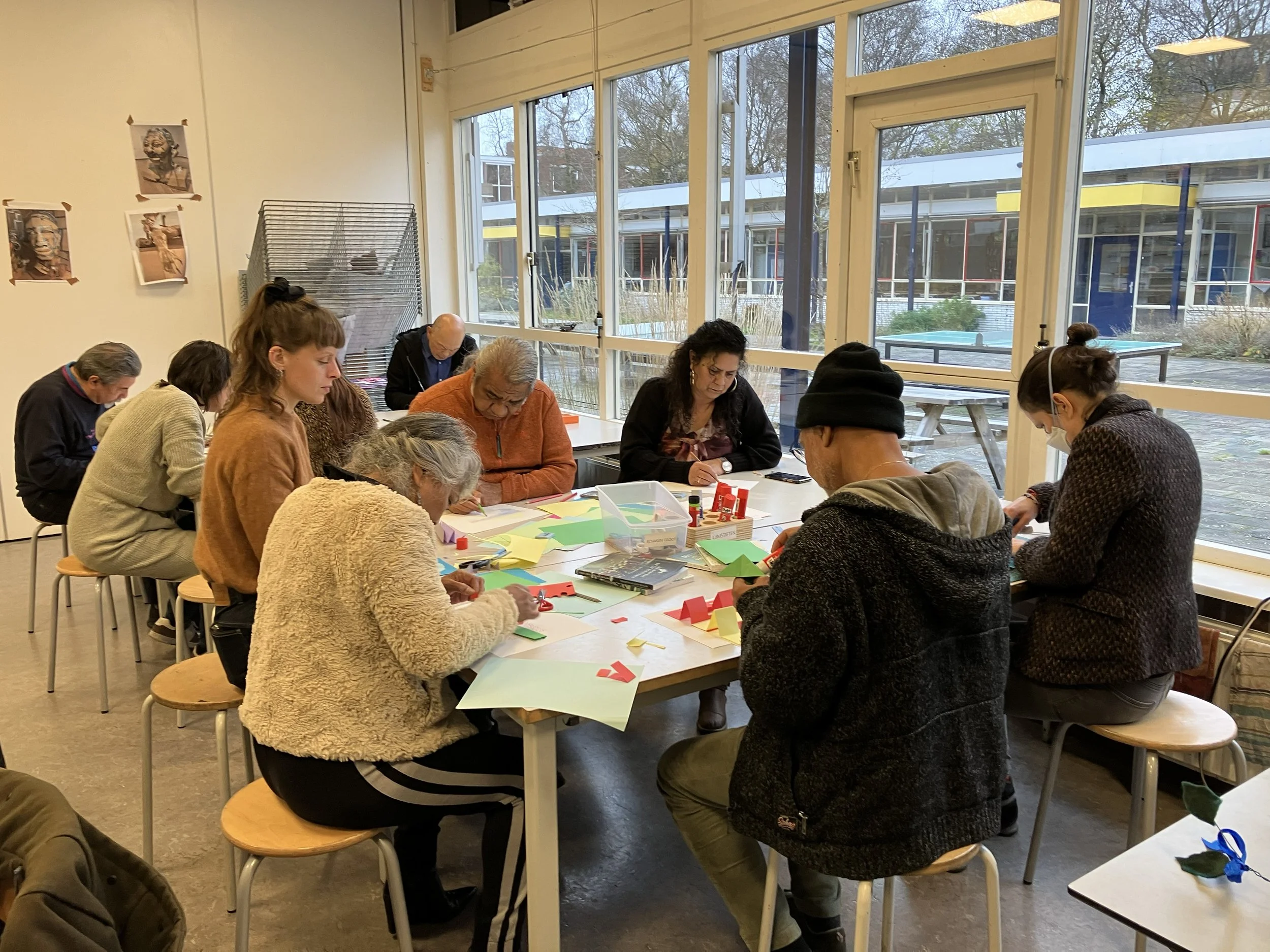
Workshops with Partners | January – November 2025
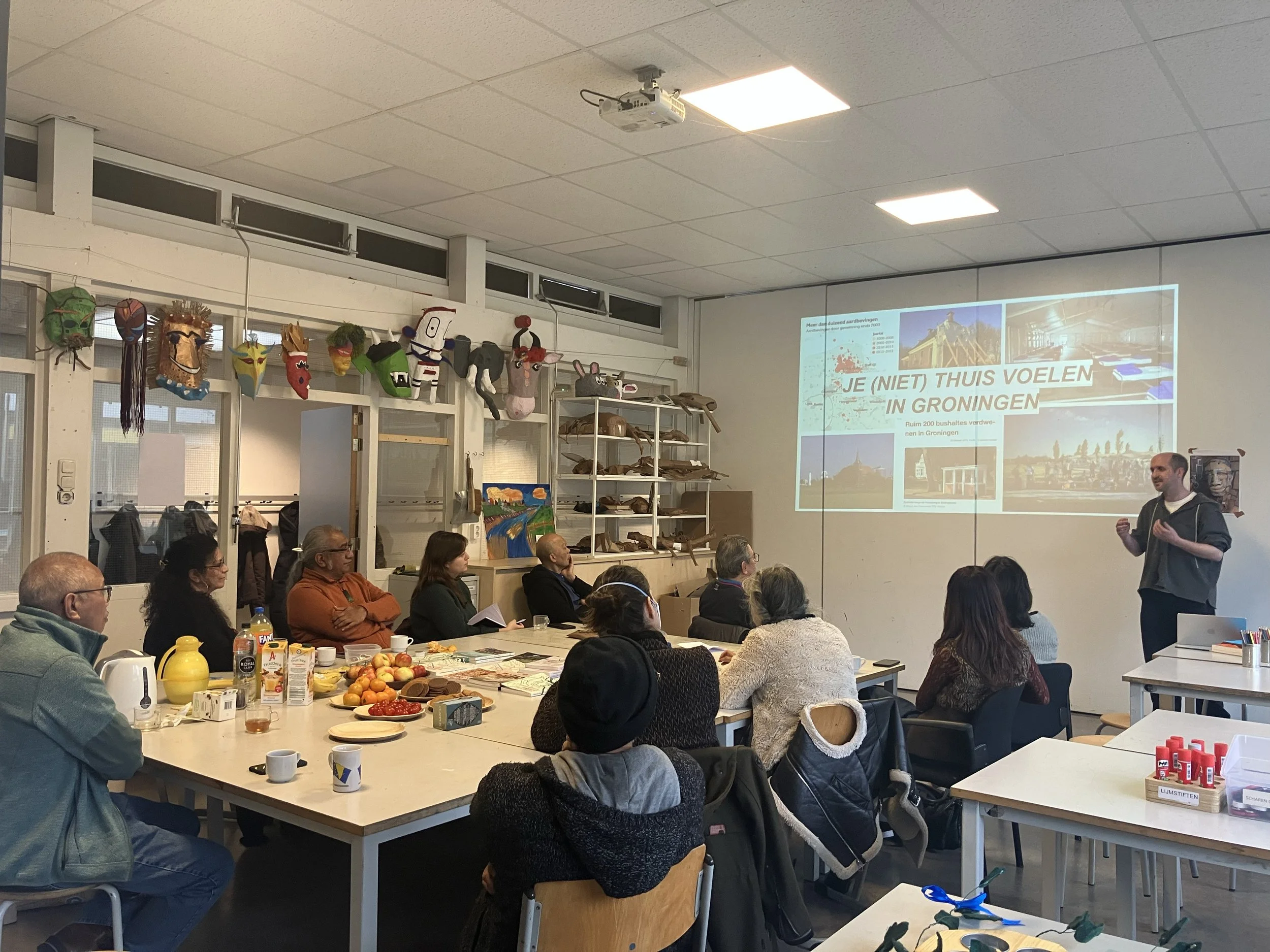
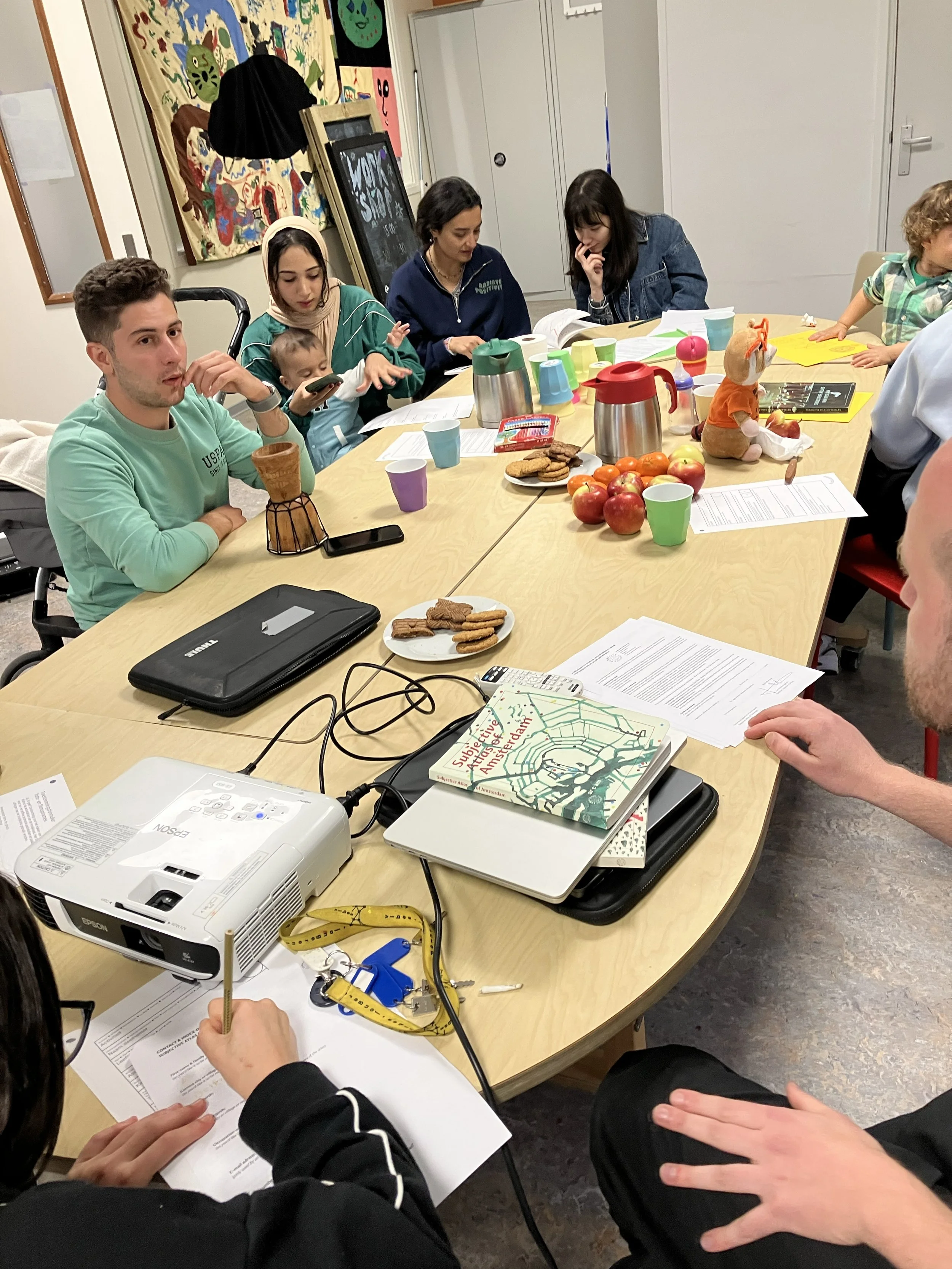
Throughout 2025, together with our partners, we organise workshops at locations of their choosing, with participants from their own networks. The workshops generally follow a fixed structure. We introduce ourselves by sharing something about our mornings, immediately beginning to formulate a personal perspective on our daily habits. Pieter Augustijn and Ruby de Vos (ARTisBOOK)—often together with Jedidja Smalbil and Hanna de Boer—then introduce the project. In the afternoon participants develop and present their ideas for a contribution. By the end of the day, everyone knows how they will finalise their contribution.
Workshops at Biblionet and ARTisBOOK| November 2025
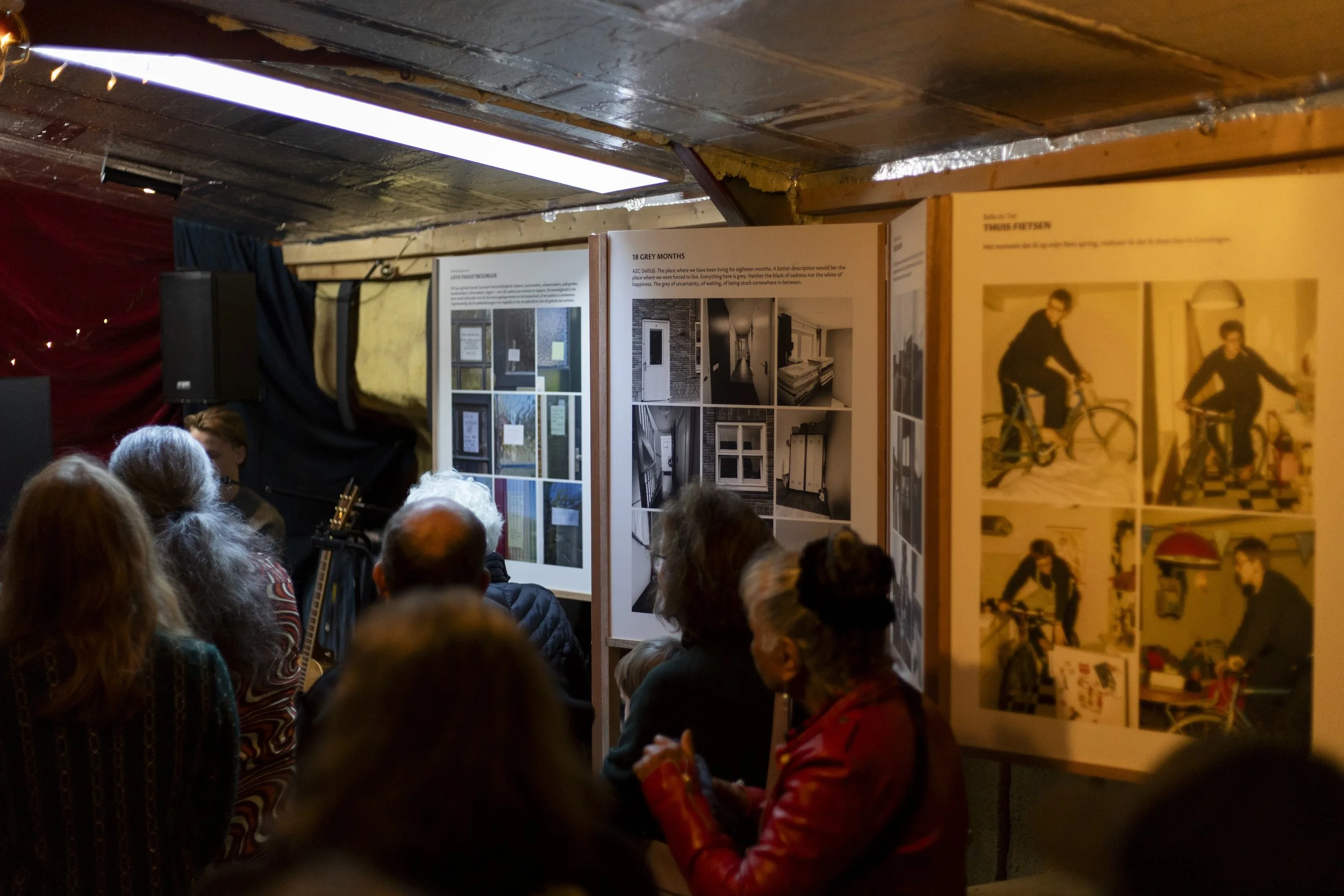
In November, ARTisBOOK travels with a mobile exhibition to seven libraries in the province, showing five finalised contributions. We organise short workshops in each library to create alternative flags and maps.
Editing and Design, September 2025 – March 2026
As the contributions take shape and come in, we assess which perspectives are still missing. Although the Subjective Atlas is by definition “completely incomplete,” we invite several people who can offer complementary viewpoints to the contributions we have already received.
Launch, June 2026
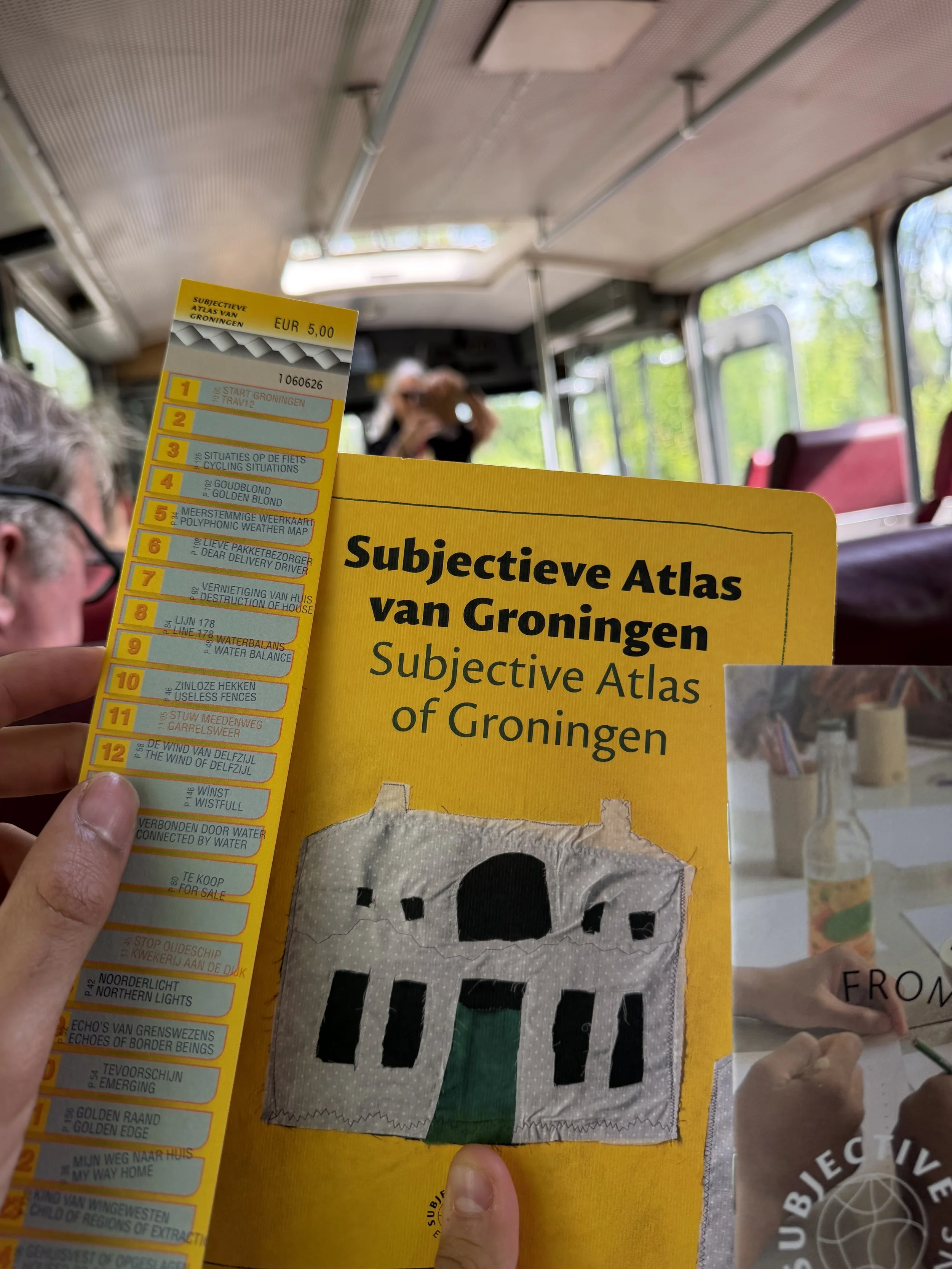
In June, the Subjective Atlas of Groningen is launched with a bus tour through the province and a festive gathering. Participants share their stories and reflected on their experience of the process.
Acknowledgements
Whilst the Subjective Atlas of Groningen was being developed, gas-induced earthquakes and gas extraction in Groningen continued. Between autumn 2023 and spring 2026, there were 102 gas-induced earthquakes, including the earthquake in Zeerijp measuring 3.4 on the Richter scale at the end of 2025. Although the large gas field closed on 19 April 2024, approximately 567,000,000 m³ of gas was still extracted that same year from the 17 other fields in the province. At the time of this atlas’s publication, the reopening of the Groningen gas field was once again on the table as a serious option in connection with the war in Iran.
The making of the atlas also unfolded in tandem with the genocide in Palestine. In the autumn of 2023, we began drafting applications whilst catastrophic news arrived daily; two years later, we met people who had fled the genocide, at the Delfzijl asylum seekers’ centre and in libraries across the province. In this way, the local and the global continually intertwined. These developments inevitably resonated in our conversations about being at home, and the deeply felt vulnerability of that concept.
Home should not be understood as a closed site but as a relational condition: a sense of belonging in Groningen is inseparable from enabling belonging elsewhere. When that sense of home is undermined, here or there, it becomes clear how fragile the idea of home is—and how deeply each other’s homes are a shared responsibility.
This publication is a result of collaboration between Subjective Editions and ARTisBOOK.
Editor-in-chief: Annelys de Vet Research, development and editing: Pieter Augustijn, Ruby de Vos, Jedidja Smalbil Preface: Pieter Augustijn, Ruby de Vos Introduction: Wilbert van de Kamp
Contributors: Aagtje Mekkering, Adam Z. Balogh, Agnes Scholte, Albert Postma, Ali Dilitatli, Amy, Anne Geene, Anneke Walsma, Annelys de Vet, Anouk, Anthony van der Kooi, Ariane, Baris Cihan, Bart Doornbos, Bart Kruizinga, Bart (Gab) Pels, Bella du Toit, Bo, Caitlynn, Carla Vink, Charles Goudsmit, Charlotte van Braam, Chiel, Corien Bier, Dani, Eleanor Postma, Elze Kloen, Emi Plapis, Esmee, Etty Meijer, Evelien Bernabela, Fen, Fenna, Fiona van den Bergh, Flora de Jong, Fred Taylor, Frouke Postma-Doornbos, Geertje Geertsma, Gerie Ebeltjes, Hanna de Boer, Hans Beek, Harma Bier, Hermina Sahureka, Ietje Meerman, Ingeborg Entrop, Jan Bos, Jan Dijkstra, Jan Anne Kiers, Janneke Kool, Jayson, Jedidja Smalbil, Jenny Brands Molendijk, Johnny Groenteman, Jolanda Jager-Smit, Julia de Jong, Kaelen, Kate Lehane, Keks Anastasija, Klaas Fakahafua-Timmer, Kris, Lavinia, Liam, Liana, Linde Ex, Lindsay, Lisa Smithson, Loes de Hoog, Loes Nuijten, Luuk, Madalena Figueiredo, Maksym, Manda Schouten, Mariia Skotareto, Marieke Jonker, Marije Visser, Marinus Augustijn, Marinus Bouwman, Mark van Esveld, Marjo van Bergen, Marta Calero Segura, Mieke, Mieke Fokkinga, Mike, Mintsje Boersma, Misha, Mohamad, Moos, Nalin Bilge-Cihan, Nazar, Neele Schlette, Nicole van Eijkern, Nihal Göv, Nils, Noodle, Nora, Patricia Ottay, Pelle, Pieter Anthony, Pieter Augustijn, R.S. Schöne, Rachelle, Reynaert Vosveld, Rina Tienstra, Rodion, Rosaline Fakahafua-Timmer, Rosie Ottay, Ruby de Vos, Rüveyde Betül Yorulmax, Safiye Topçu, Sami, Sara Aleixo, Sofia Tsouchnika, Sofie, Stevie, Stoffer Reiffers, Sulaf al Homsi, Sulayman Jobarteh, Tanja Isbarn, Thirza Knol, Thomas Peschar, Vera Esperanca, Wilbert van de Kamp, Wilma Vissers, Yara, Yuri
Supported by: Fonds voor Cultuurparticipatie, Kunstraad Groningen, Provincie Groningen, SK&L Fonds