★ October 2024 → October 2026 ⚑
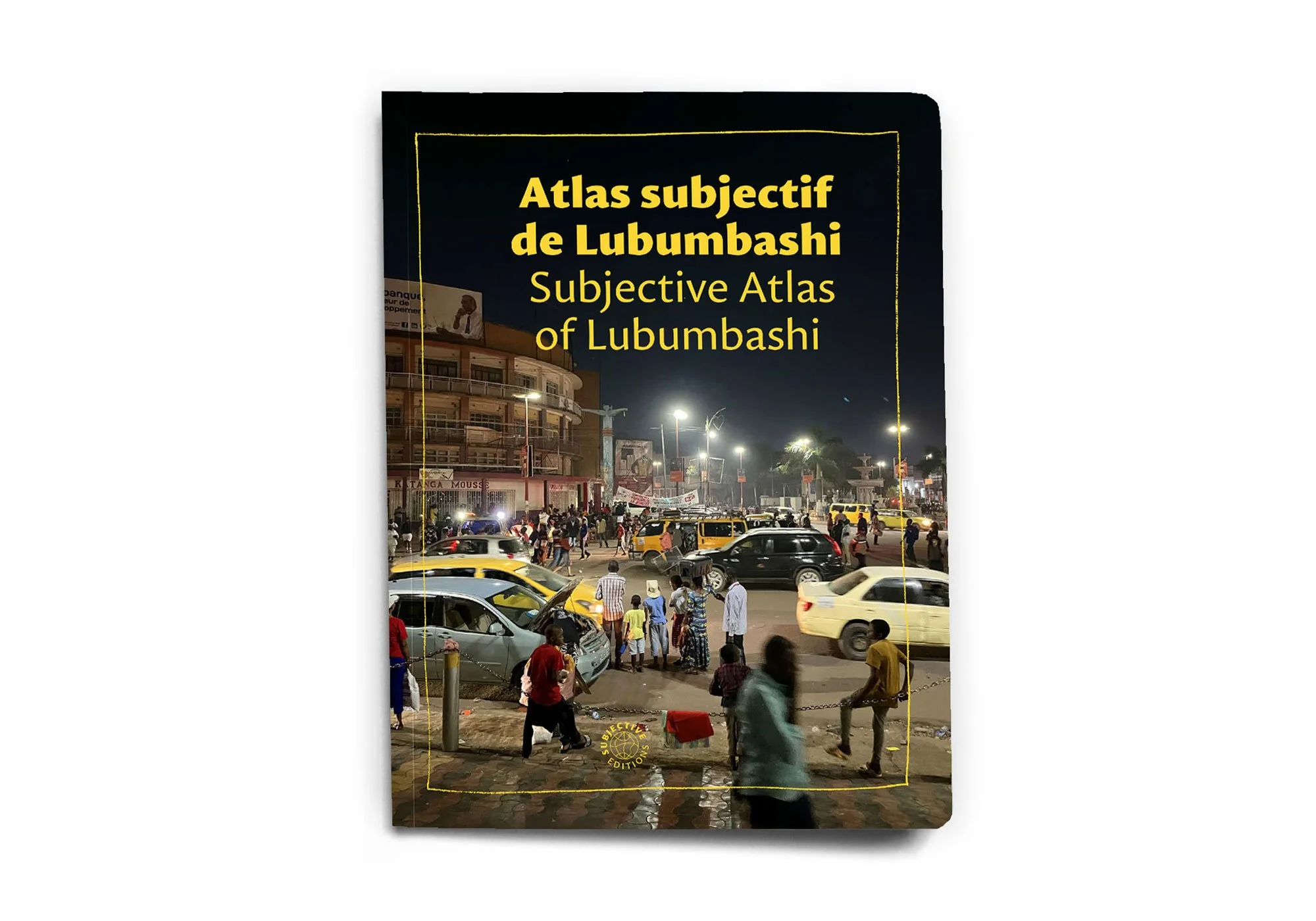
Lubumbashi is not a city to be easily navigated; it is a city to be lived, loved, hated, remembered and constantly transformed. This Subjective Atlas of Lubumbashi looks beyond the colonial grid, railway lines and mining infrastructure of Congo’s second-largest city. Initiated by Atelier Picha (Sammy Baloji, Grady Bizaki, Semi Kansense, Gaelle Van Lede, Jean-Sylvain, and Filip De Boeck) the Subjective Atlas of Lubumbashi brings together Lubumbashi’s growing artistic community who mapped the city from within. Through participatory workshops and individual contributions, artists, residents, and cultural practitioners explored how contemporary life in Lubumbashi emerges from—and is continually shaped by—its layered histories: the extractive logics of mining, shifting economic and ecological conditions, postcolonial urban transformations, and the social and cultural practices that sustain daily life. The collected poetic gestures resist being pinned down to coordinates, but unveil a constellation of interconnected worlds where memory, labour, creativity, pain and resilience meet, allowing us to imagine potential futures from this point forward.
Picha & Subjective Editions, 2026
French-English, 192 full-colour pages, 16.5 x 22 cm
—
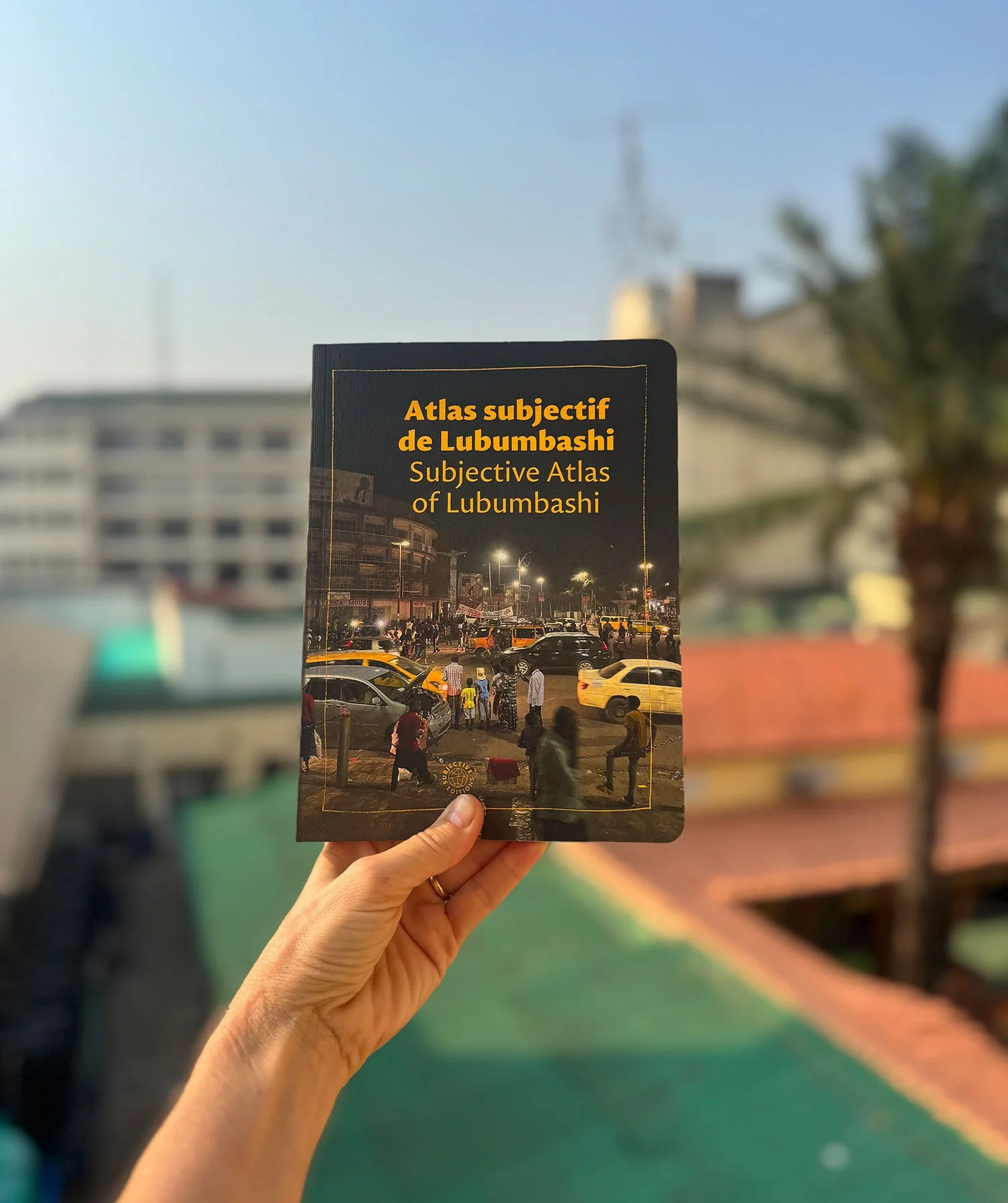
Lubumbashi is not a city to be easily navigated; it is a city to be lived, loved, hated, remembered and constantly transformed. This Subjective Atlas of Lubumbashi looks beyond the colonial grid, railway lines and mining infrastructure of Congo’s second-largest city. On the initiative of independent art and research centre Picha, nearly a hundred inhabitants have mapped their lived experiences. Their drawings, photo series and alternative cartographies acknowledge both the city’s wounds and its cultural vitality, tracing fear and affection, displacement and belonging, neighbourhood economies, night-time rhythms, rituals, and personal landmarks. We see flowers bloom despite hardship, braids become living archives, and clothing shape urban aesthetics. These poetic gestures resist being pinned down to coordinates, but unveil a constellation of interconnected worlds where memory, labour, creativity, pain and resilience meet, allowing us to imagine potential futures from this point forward.
—
ISBN 978-9-46-444804-7
This publication is a result of collaboration between Subjective Editions and Atelier Picha
Editor-in-chief: Annelys de Vet
Editorial team: Grady Bizaki Fungafunga, Filip De Boeck, Semi Kansense, Jean-Sylvain Tshilumba Mukendi, Gaëlle Van Lede
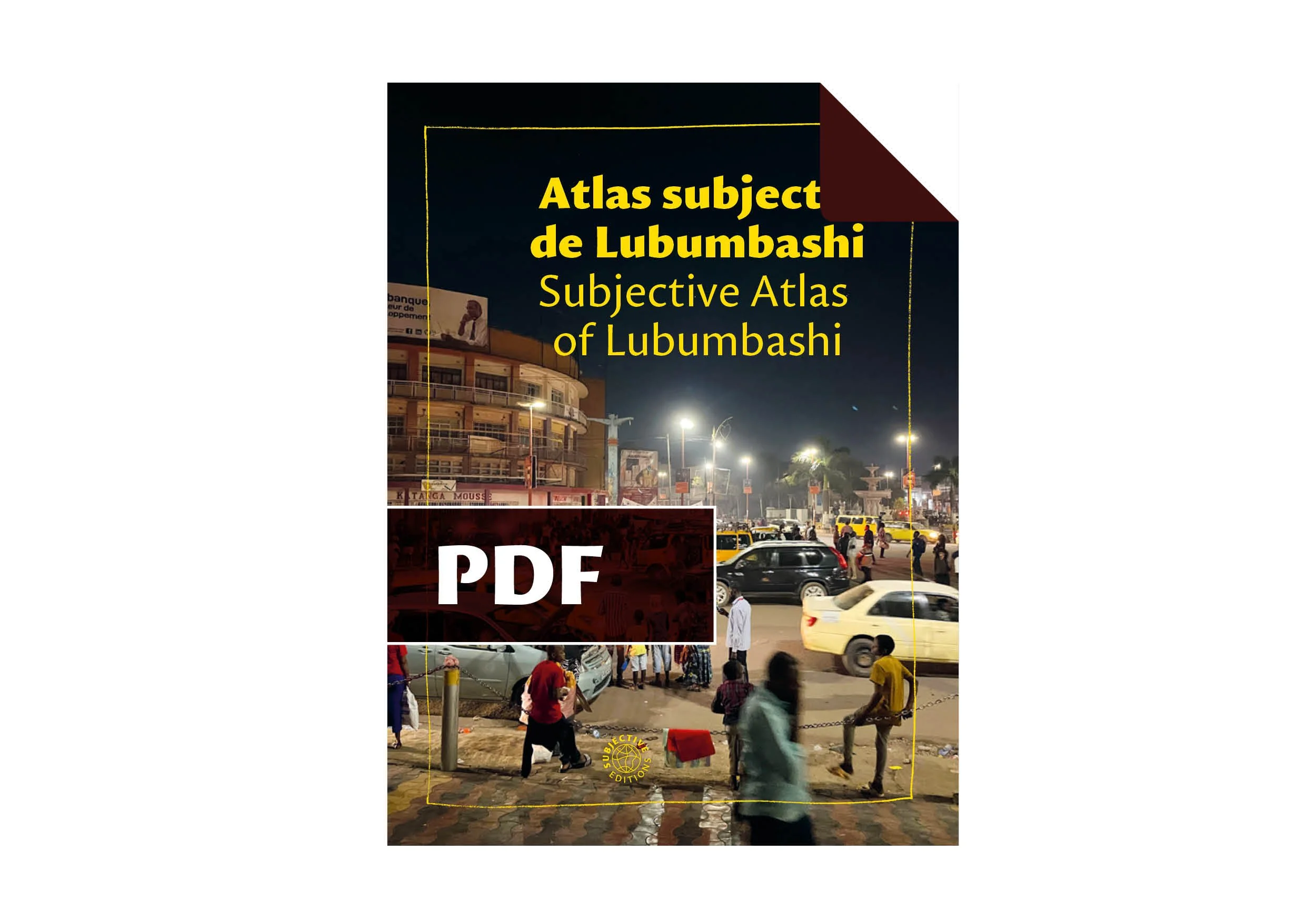
Picha & Subjective Editions, 2026
French-English, 192 full-colour pages, 16.5 x 22 cm
—
Lubumbashi is not a city to be easily navigated; it is a city to be lived, loved, hated, remembered and constantly transformed. This Subjective Atlas of Lubumbashi looks beyond the colonial grid, railway lines and mining infrastructure of Congo’s second-largest city. On the initiative of independent art and research centre Picha, nearly a hundred inhabitants have mapped their lived experiences. Their drawings, photo series and alternative cartographies acknowledge both the city’s wounds and its cultural vitality, tracing fear and affection, displacement and belonging, neighbourhood economies, night-time rhythms, rituals, and personal landmarks. We see flowers bloom despite hardship, braids become living archives, and clothing shape urban aesthetics. These poetic gestures resist being pinned down to coordinates, but unveil a constellation of interconnected worlds where memory, labour, creativity, pain and resilience meet, allowing us to imagine potential futures from this point forward.
—
ISBN 978-9-46-444804-7
This publication is a result of collaboration between Subjective Editions and Atelier Picha
Editor-in-chief: Annelys de Vet
Editorial team: Grady Bizaki Fungafunga, Filip De Boeck, Semi Kansense, Jean-Sylvain Tshilumba Mukendi, Gaëlle Van Lede
Events




Process


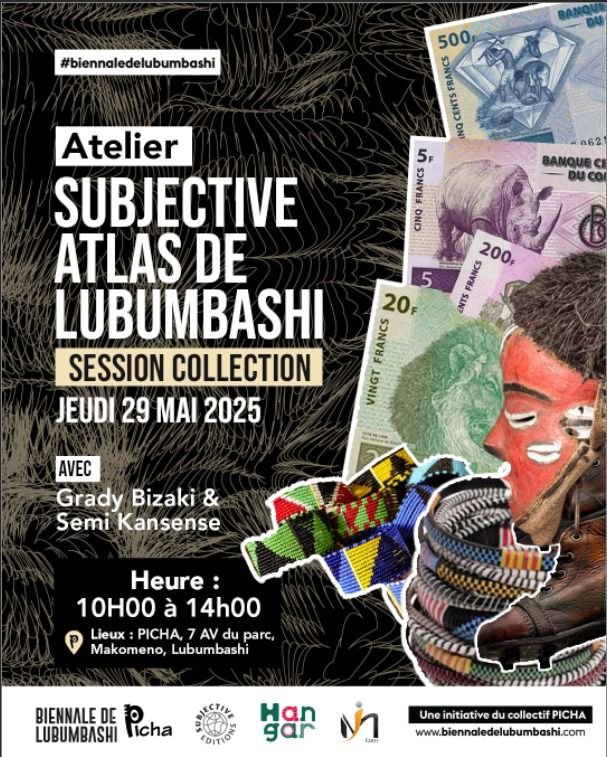
Workshops 23, 25, 28 and 30 October 2024, and 27 March, 24 April, 29 May, 14 August and 29 October 2025 at Picha (Lubumbashi)
The Subjective Atlas of Lubumbashi tells stories of (neo-)colonialism and extractivism, and of the impact of such toxic histories on the earth; the very ground on which Lubumbashi has been built and keeps expanding at a rapid pace. It reveals another Lubumbashi shaped by encounters, absences, routines, dreams and resistance.
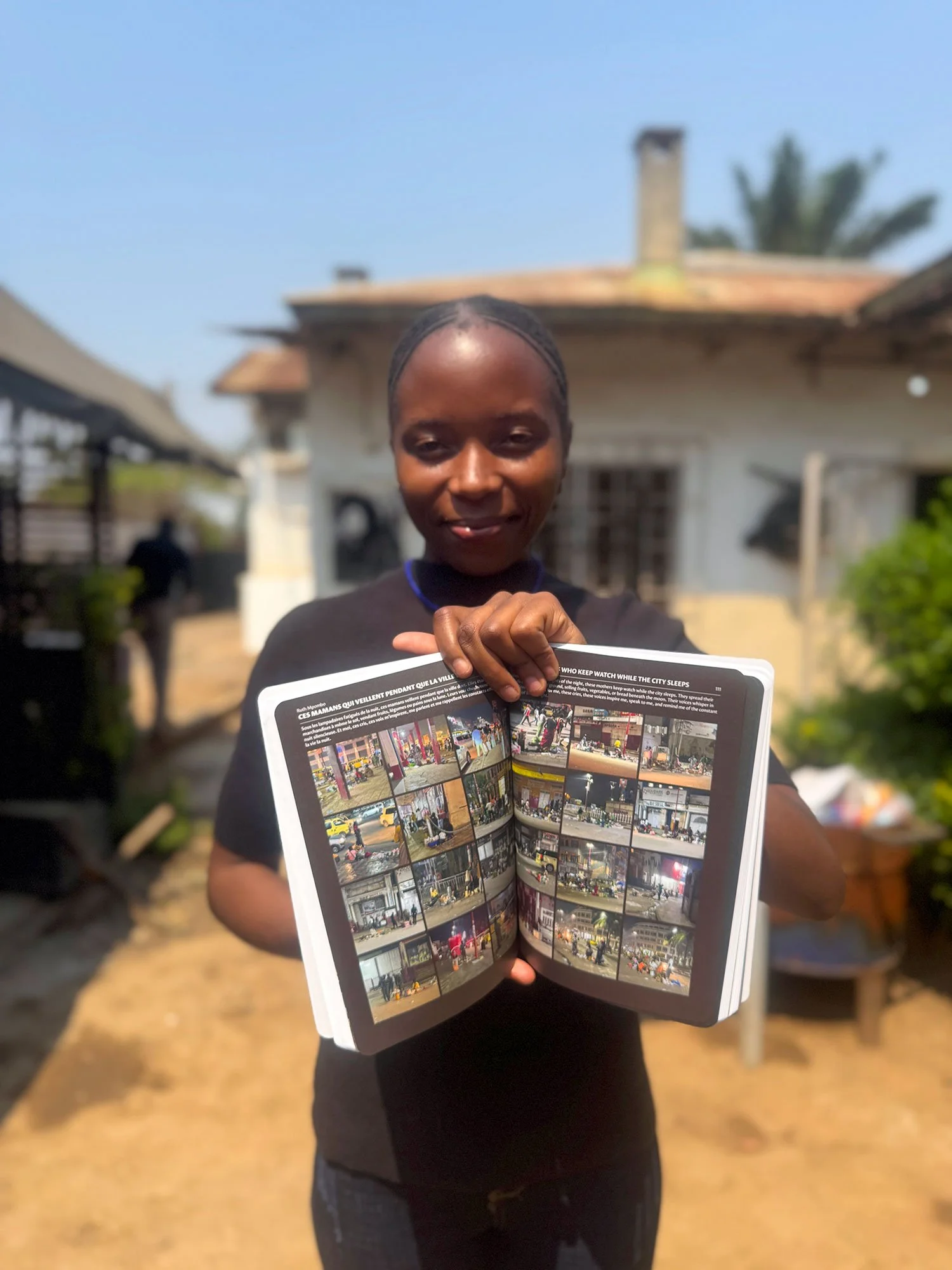
On the initiative of the Lubumbashi-based independent art and research centre Picha, we reached out to local artists, designers, students, and other creative minds, both individually and through open calls, to reflect on their hometown. More than 90 residents responded, far beyond the artistic sphere alone. Spread out over a total of nine collective workshops, the local creatives translated their personal relationships with the city into visual, textual, and spatial mappings, generously offering their—sometimes very intimate and personal—reflections on the place they call theirs.
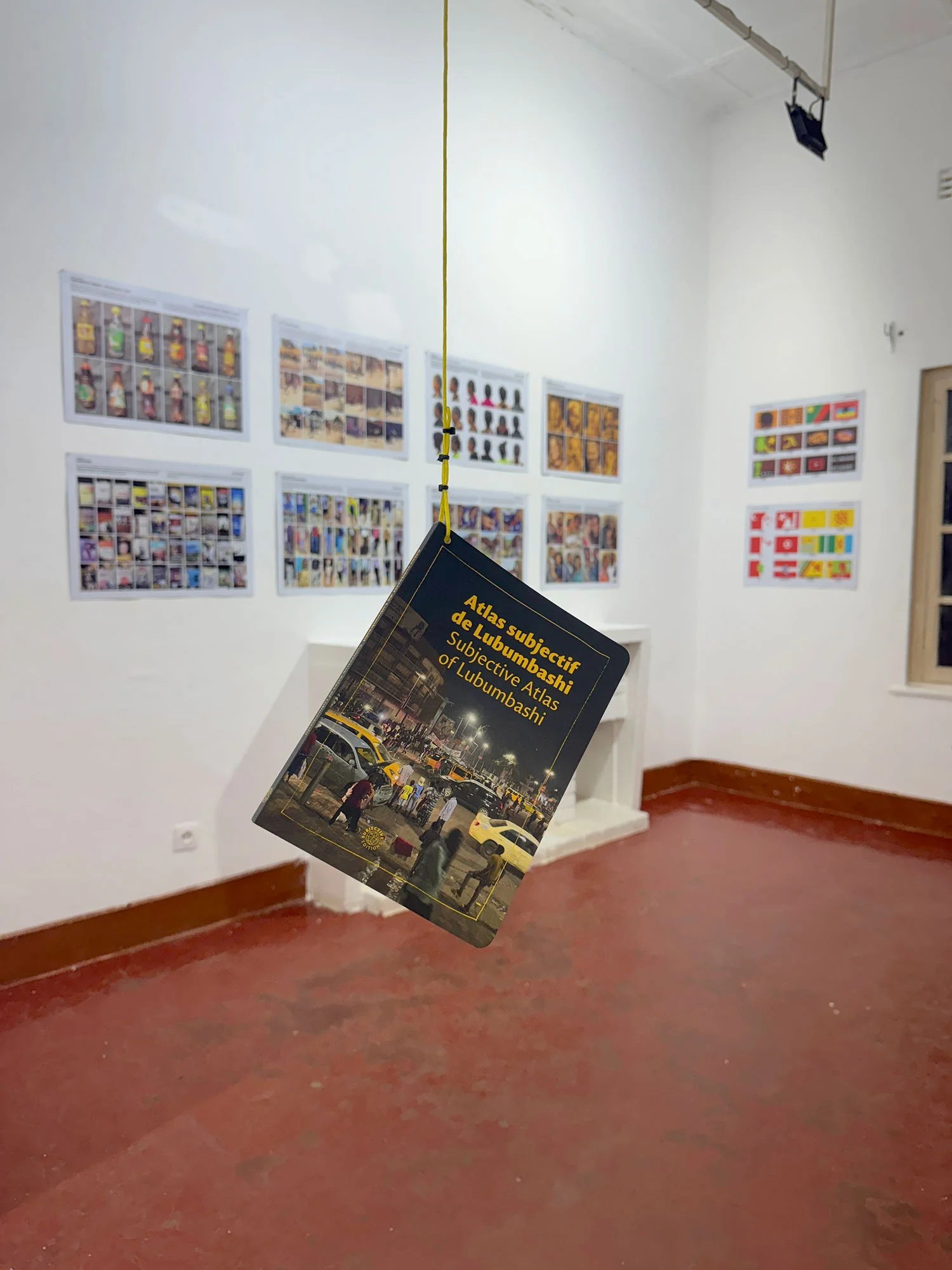
The first four workshops were led by engineer Samy Mwamba, and designers Chryss Dayond and Annelys de Vet, and took place during the Lubumbashi Biennale in October 2024. Participants drew maps of Lubumbashi and designed alternative flags. During the Biennale, the resulting maps and flags were displayed in Picha as part of an open atelier that invited public engagement. The following year, five further workshops were facilitated by designer Semi Kansense, writer Grady Bizaki Fungafunga, and Picha director Gaëlle Van Lede—each session focussing on a different theme or discipline. One workshop focused on comic strips, inviting participants to convey a specific experience in Lubumbashi through a visual narrative. Another workshop focused on capturing phenomena through photographic collections. The final workshop explored the night: from nocturnal stillness to roads transformed into rivers of red and yellow headlights.
The resulting diverse and sensitive mappings reveal a complex portrait of Lubumbashi, acknowledging both the wounds the city carries and its cultural and artistic vitality. The Subjective Atlas of Lubumbashi serves as a space for reimagining and redefining the city’s identity, narratives and spatial dynamics. It offers a critical lens that shows the interconnectedness between Lubumbashi’s urban environment and the wider Global South, examining the impacts of industrial, economic, ecological, social, and cultural processes.
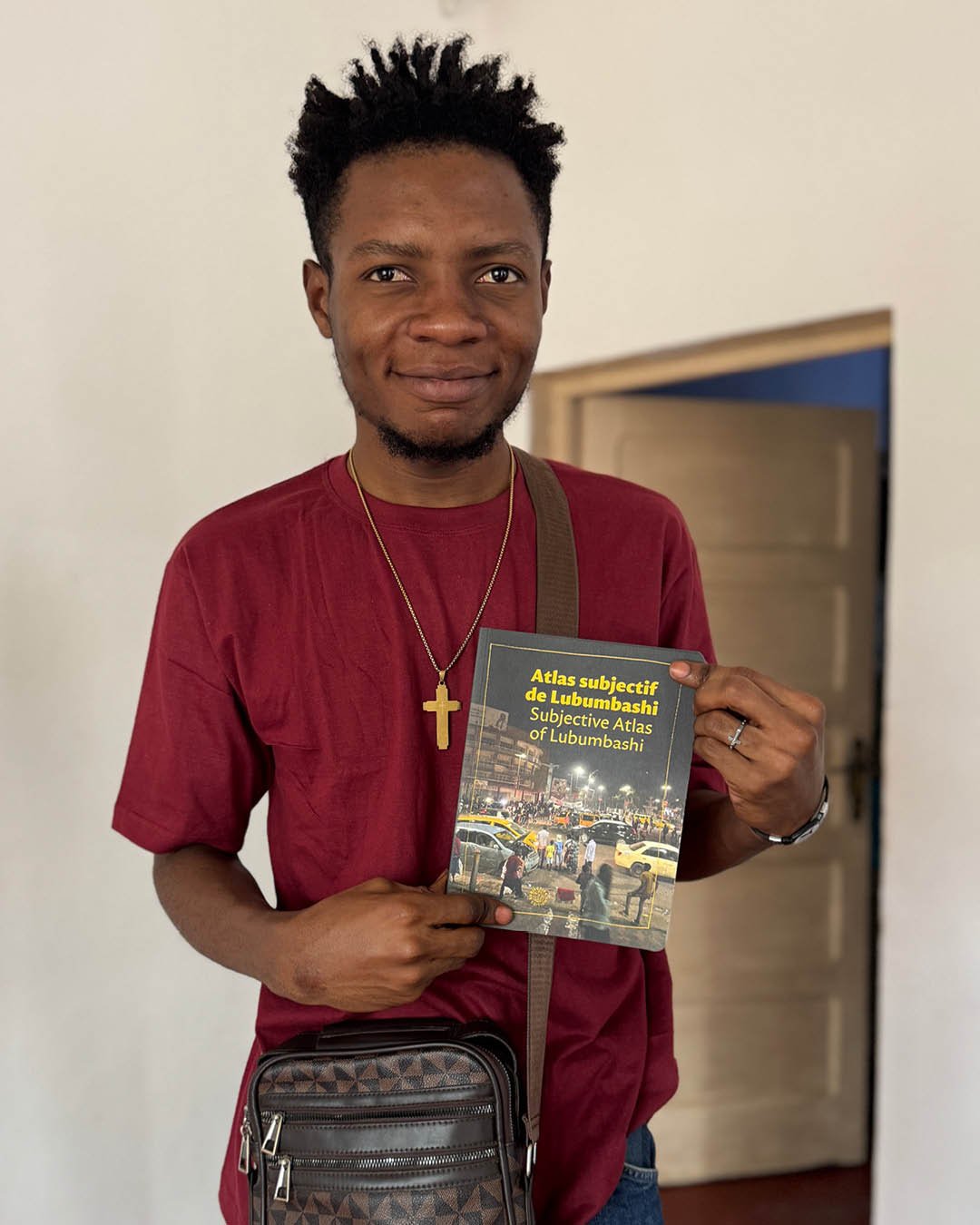
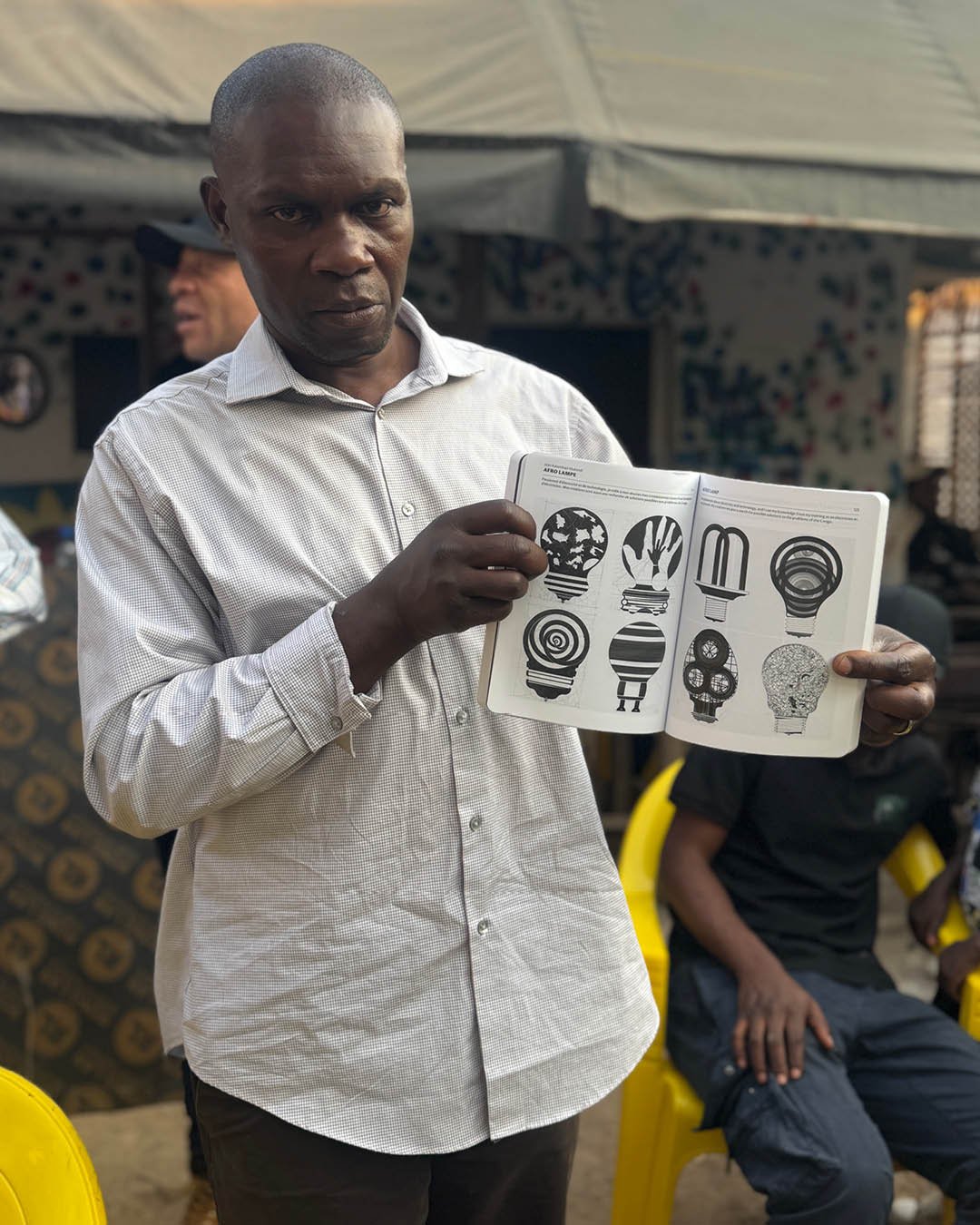
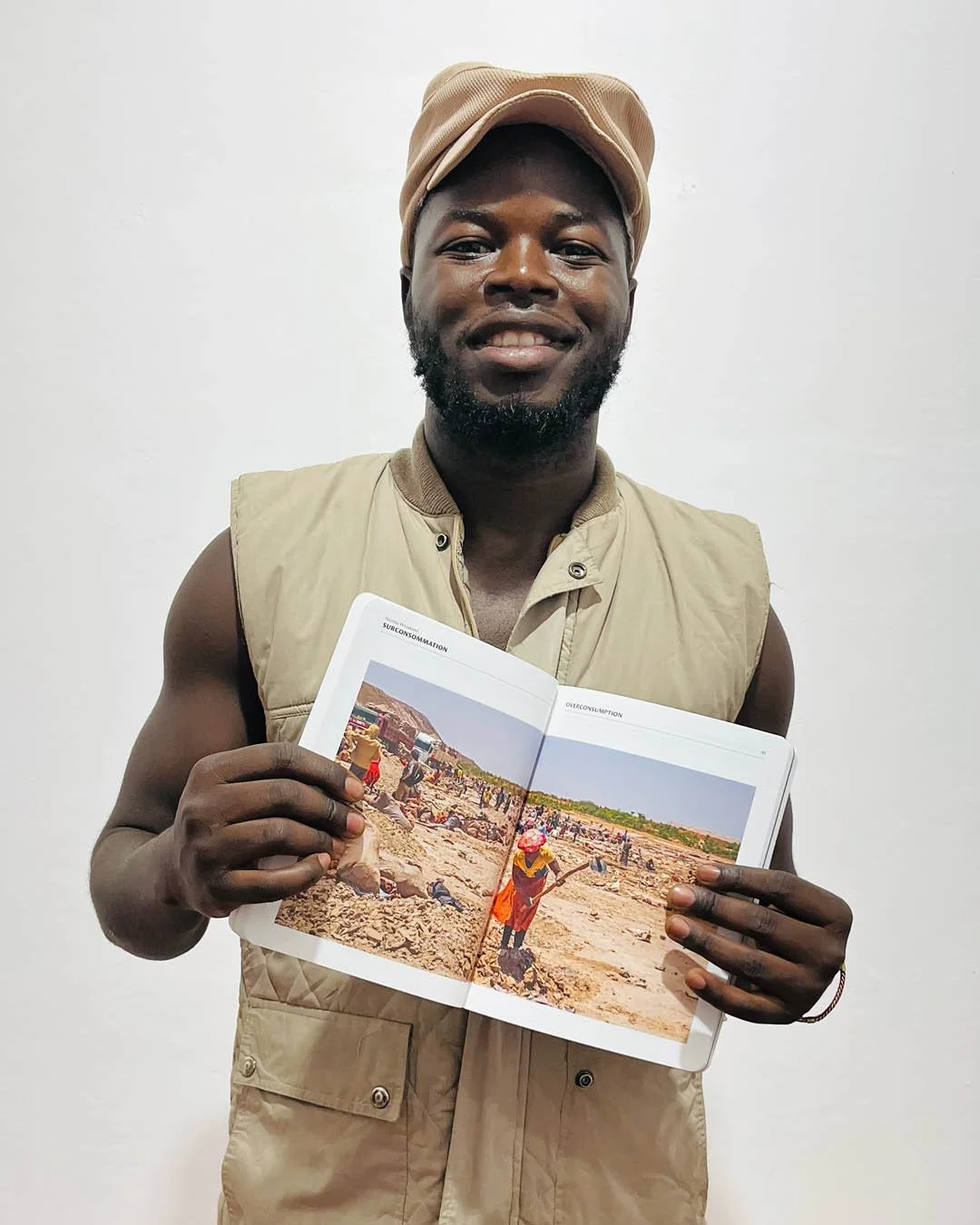
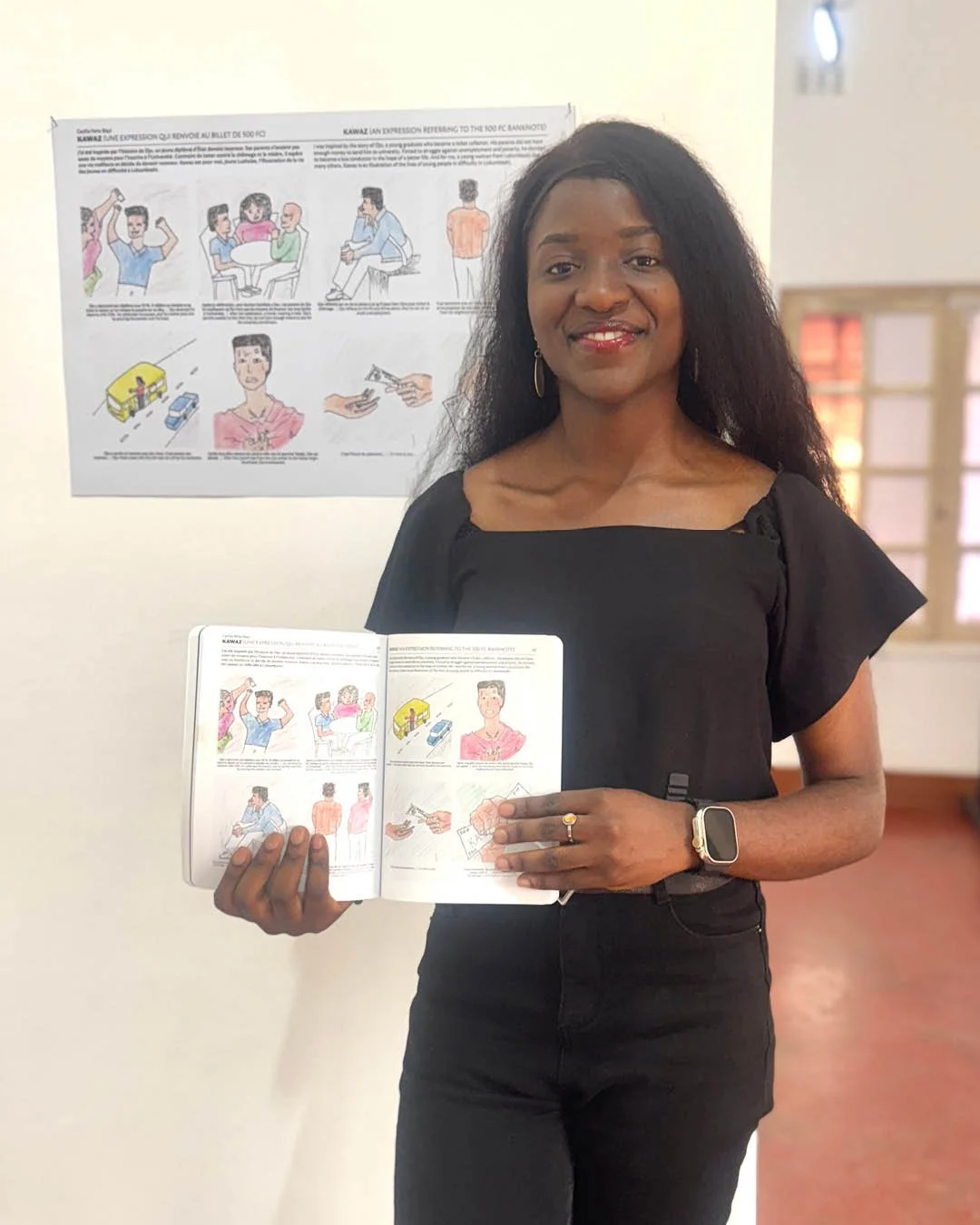
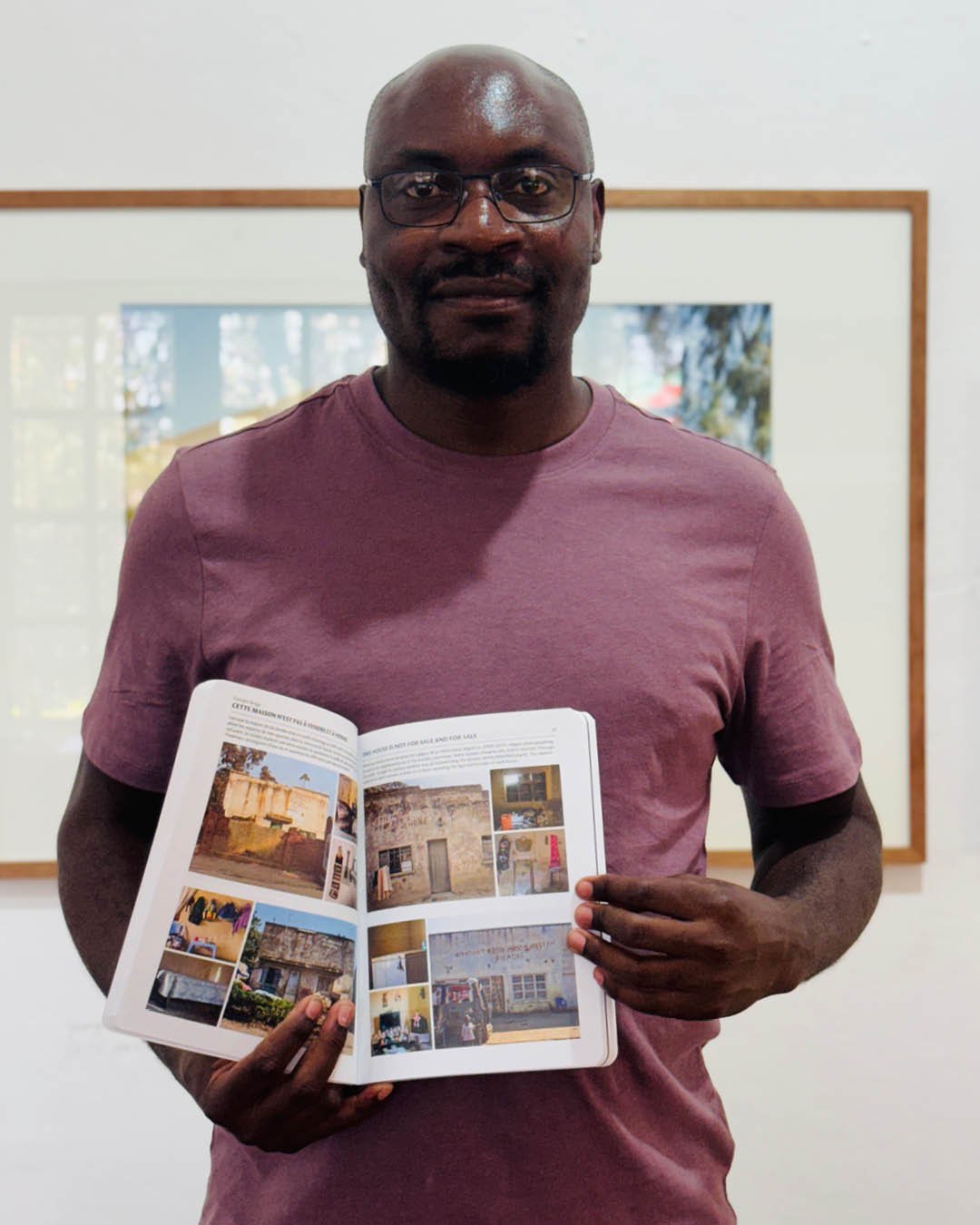
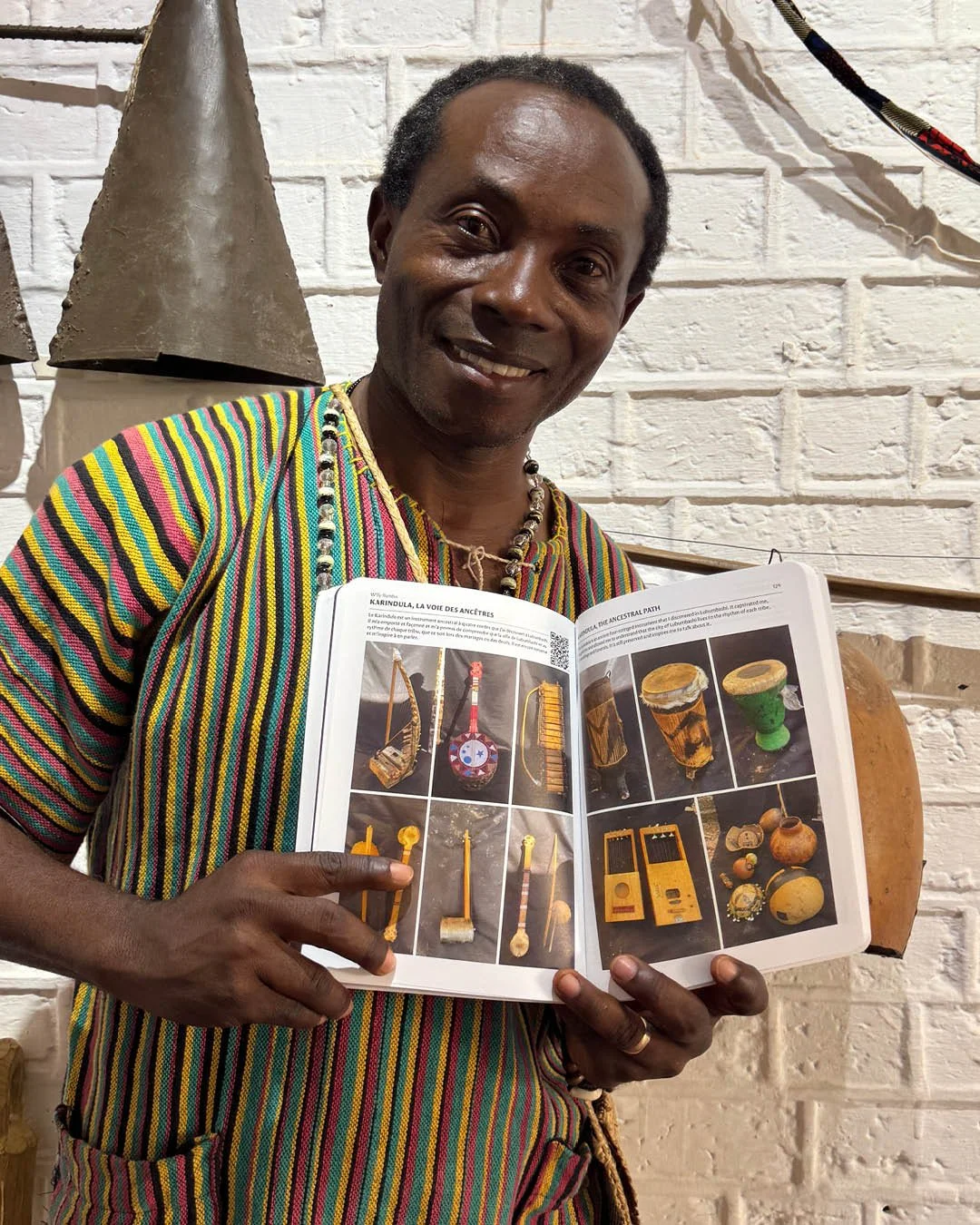
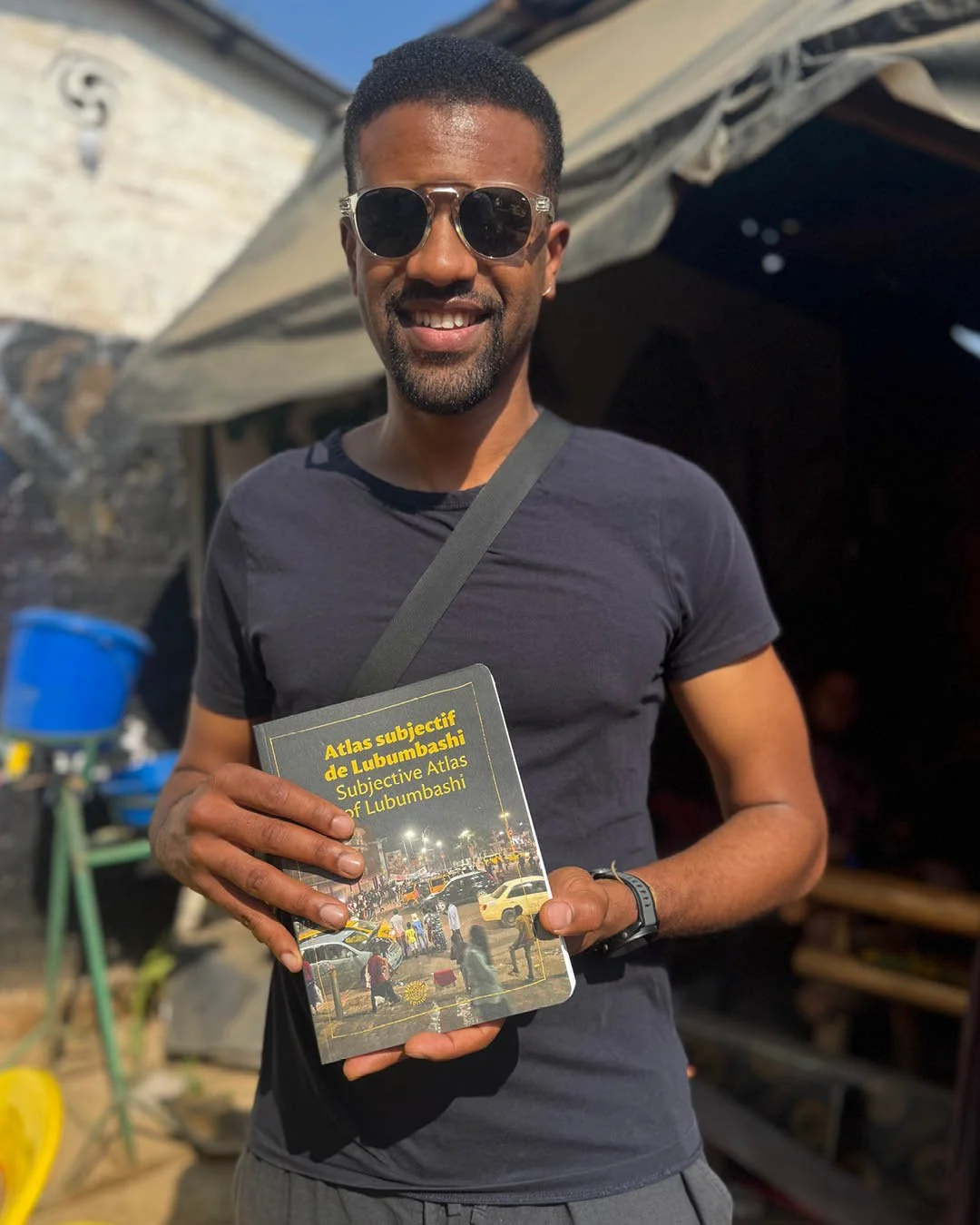
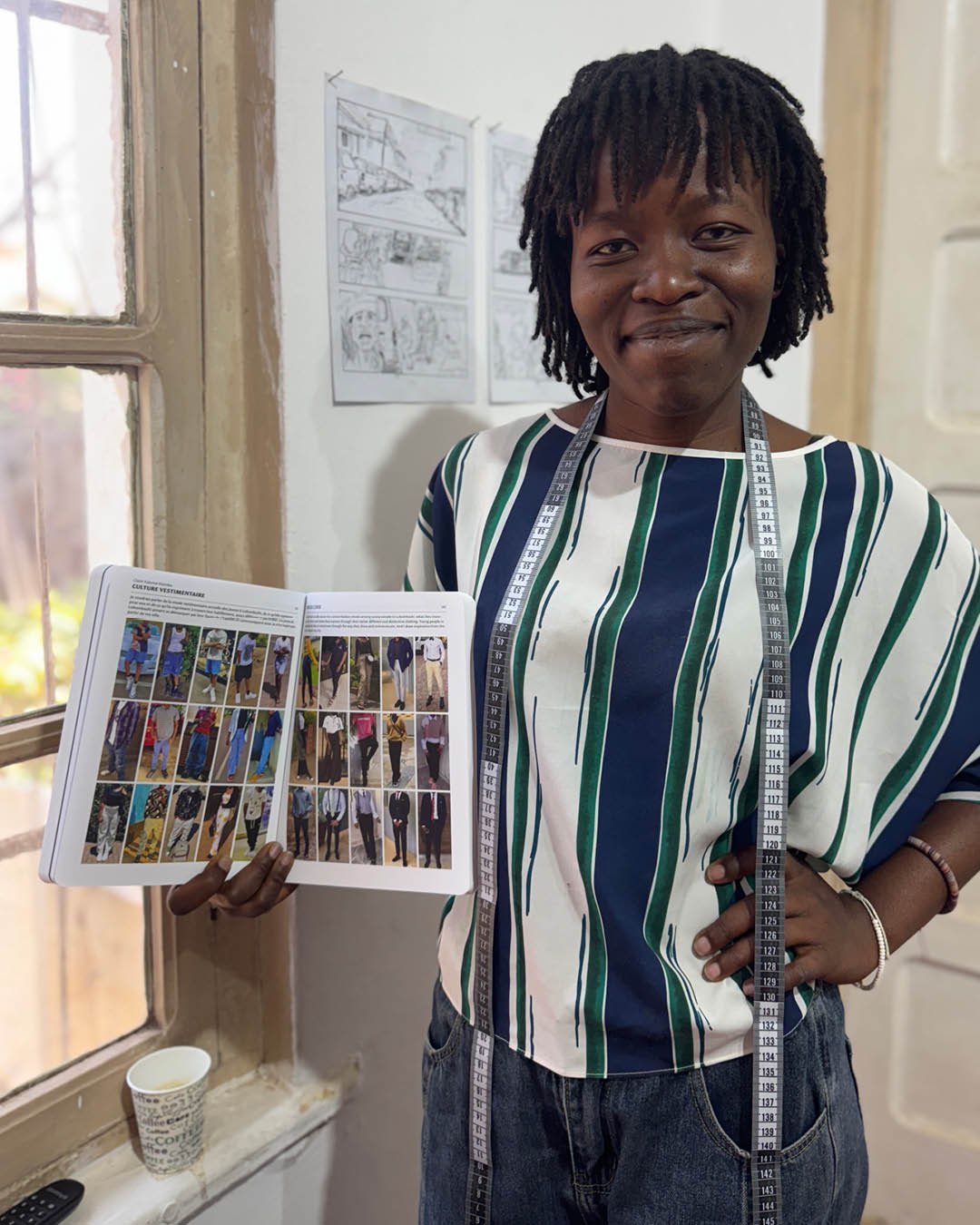
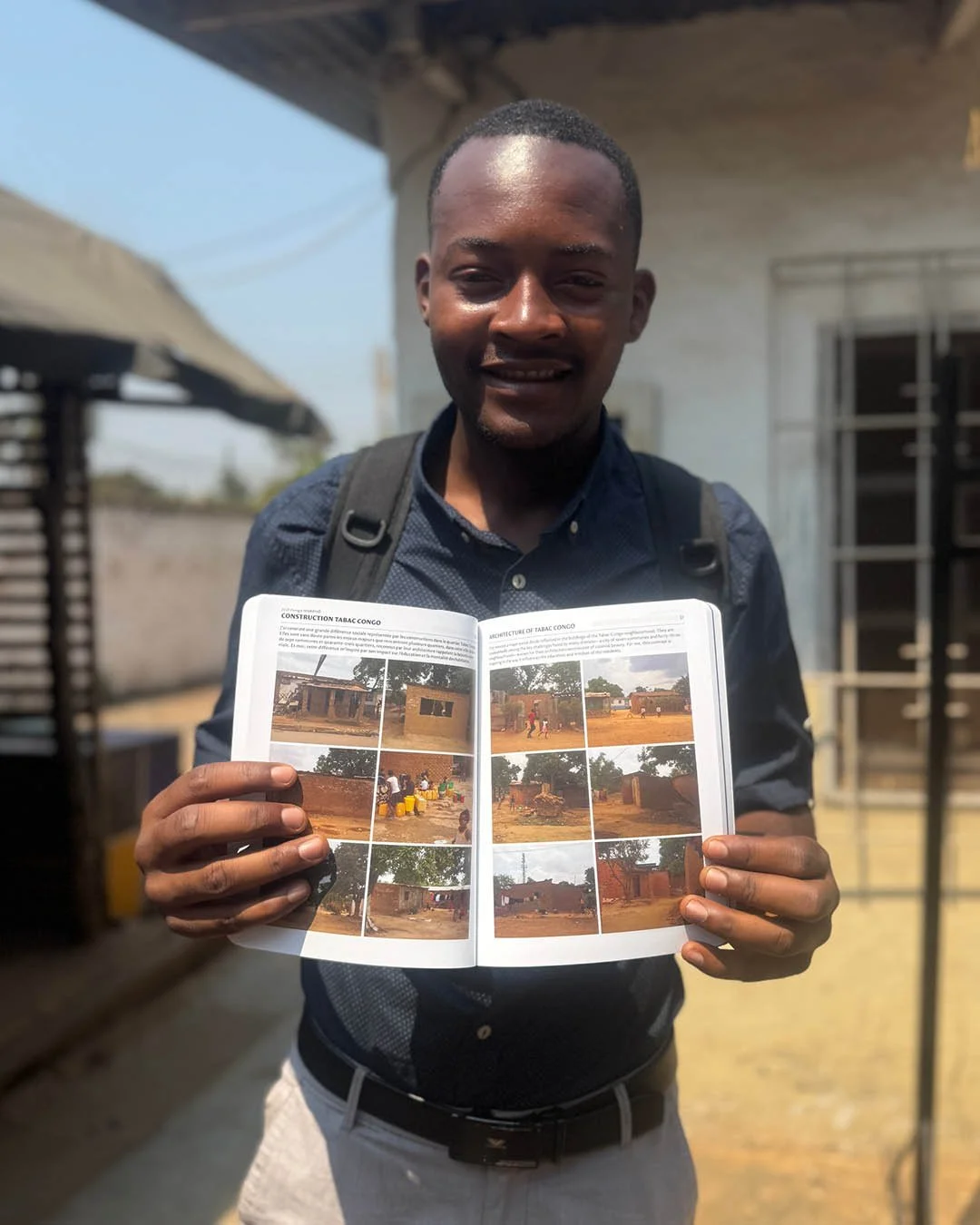
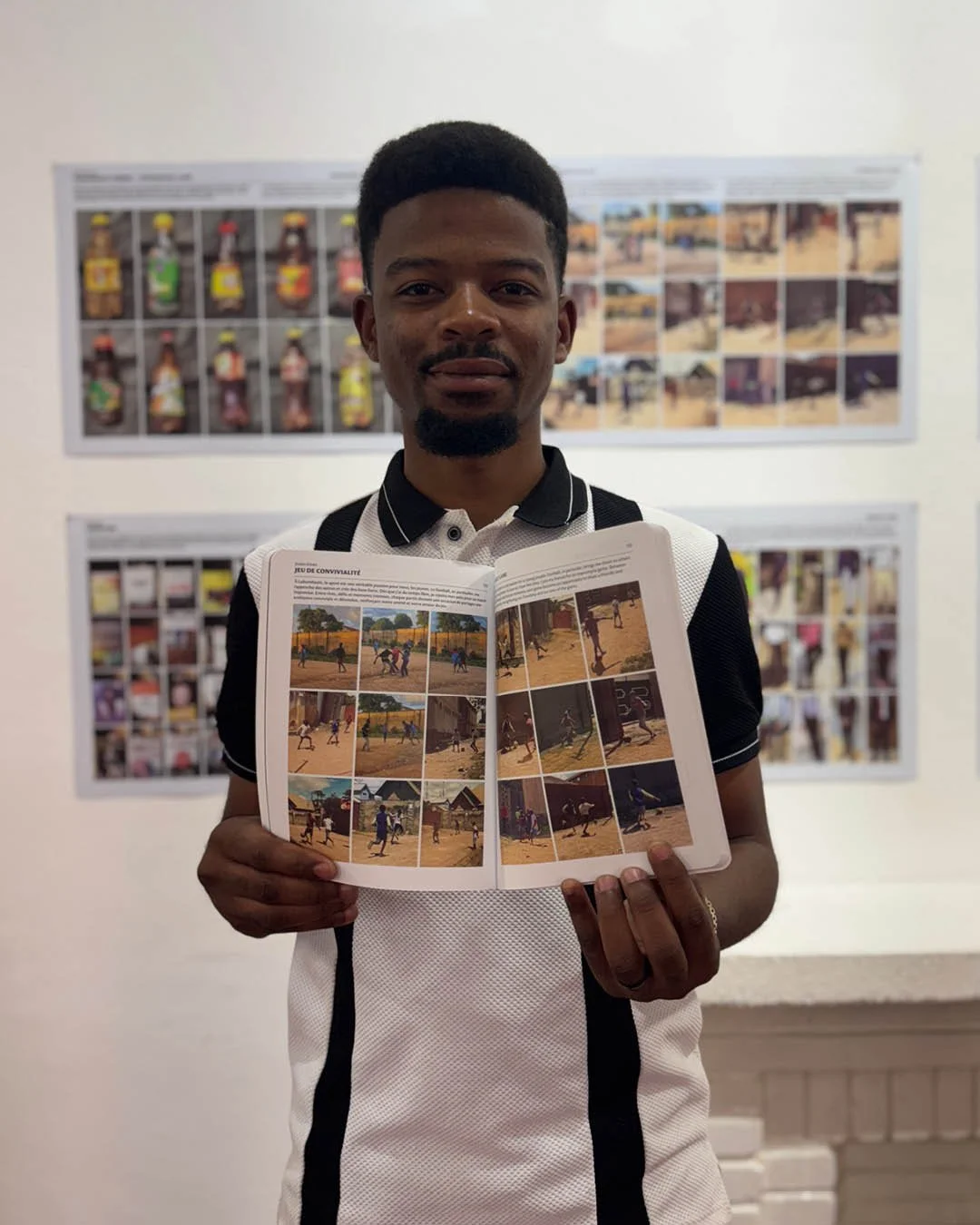
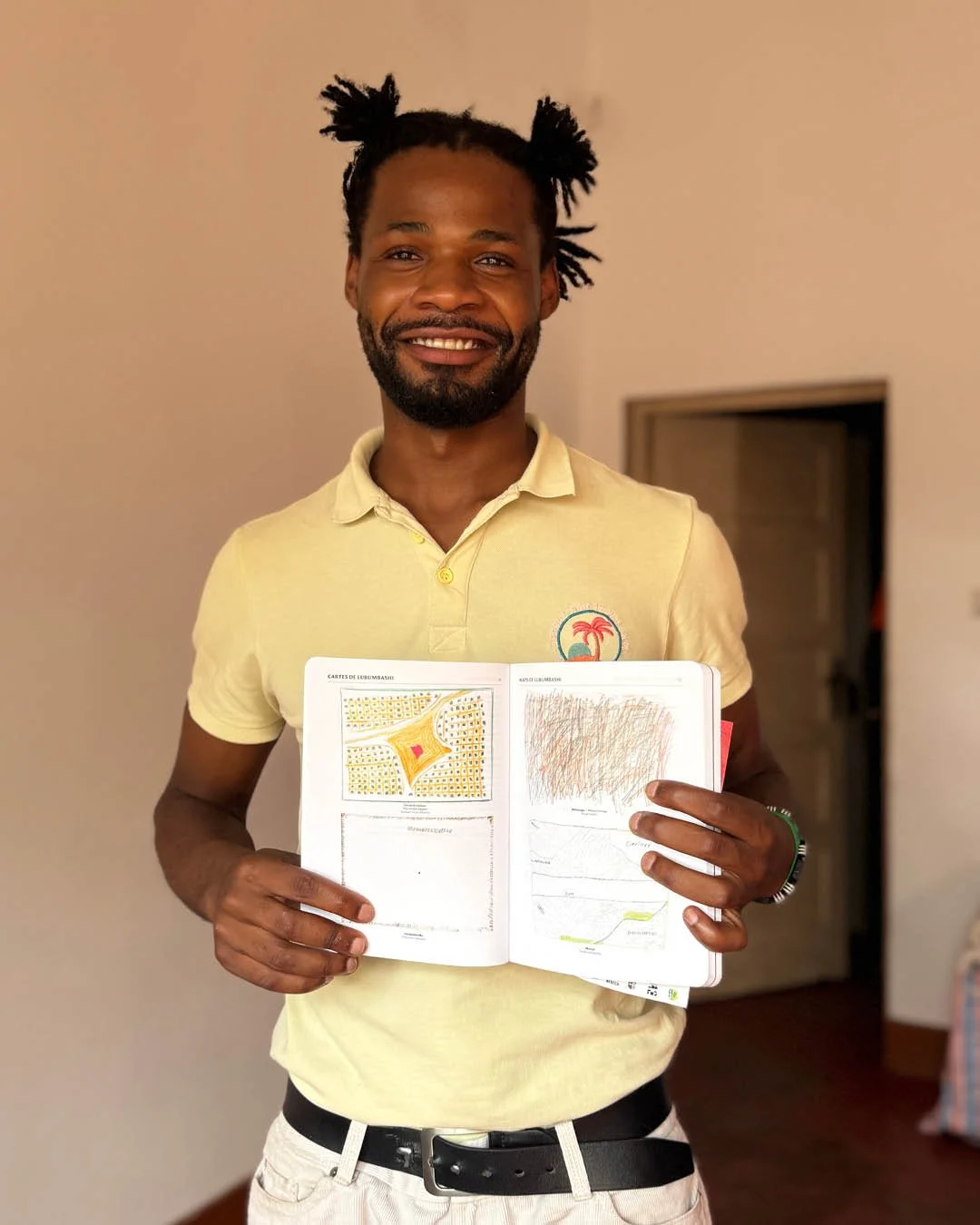
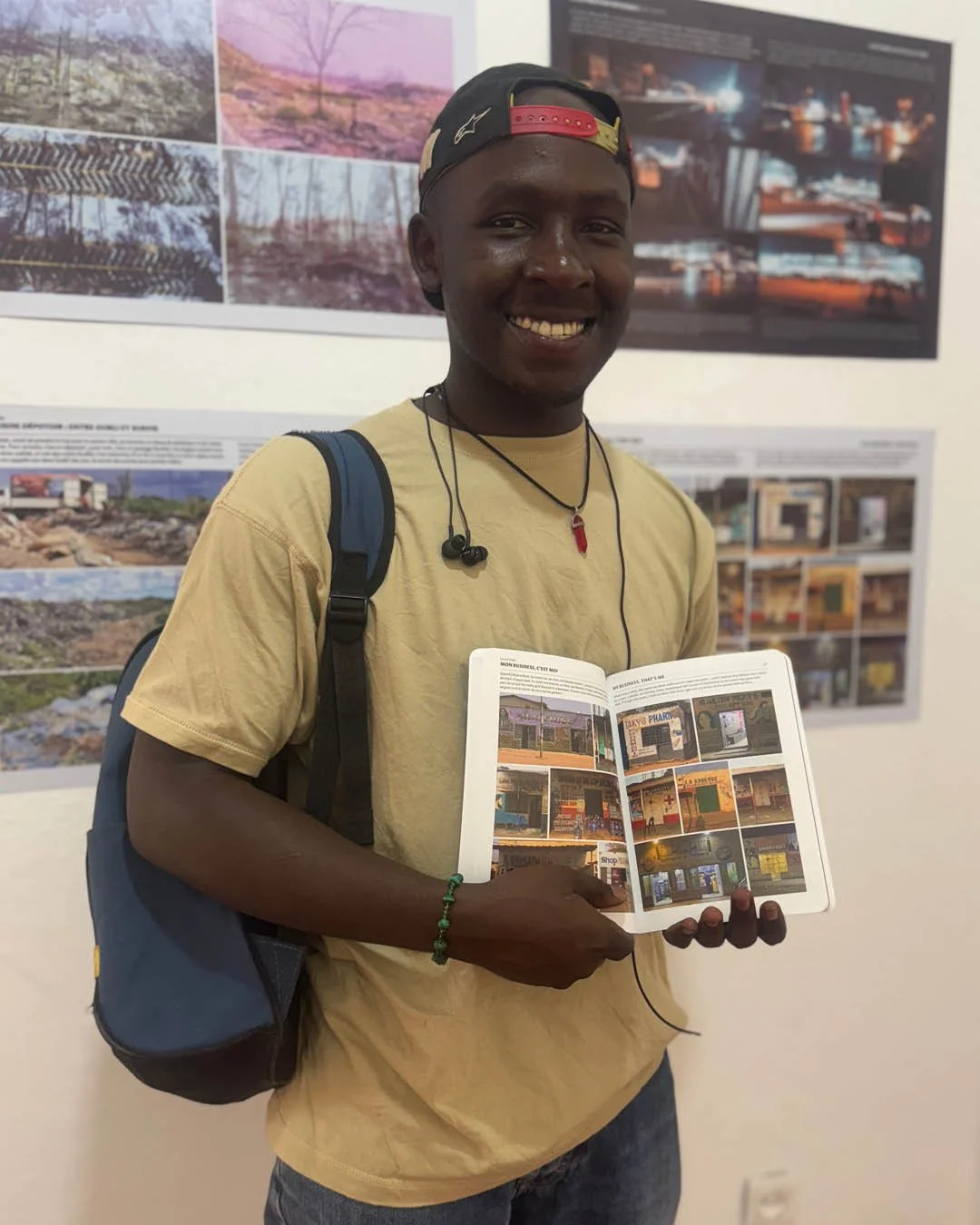
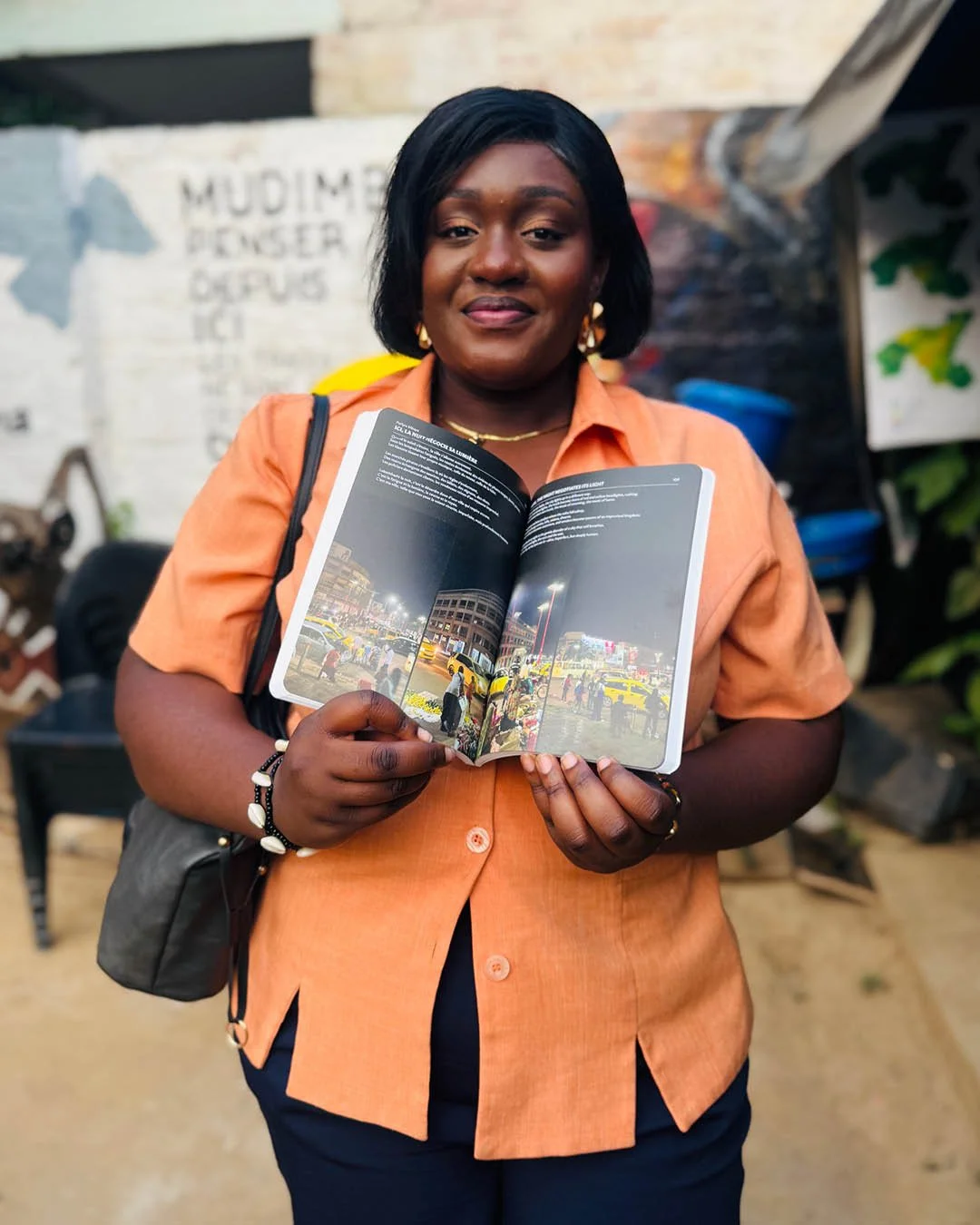
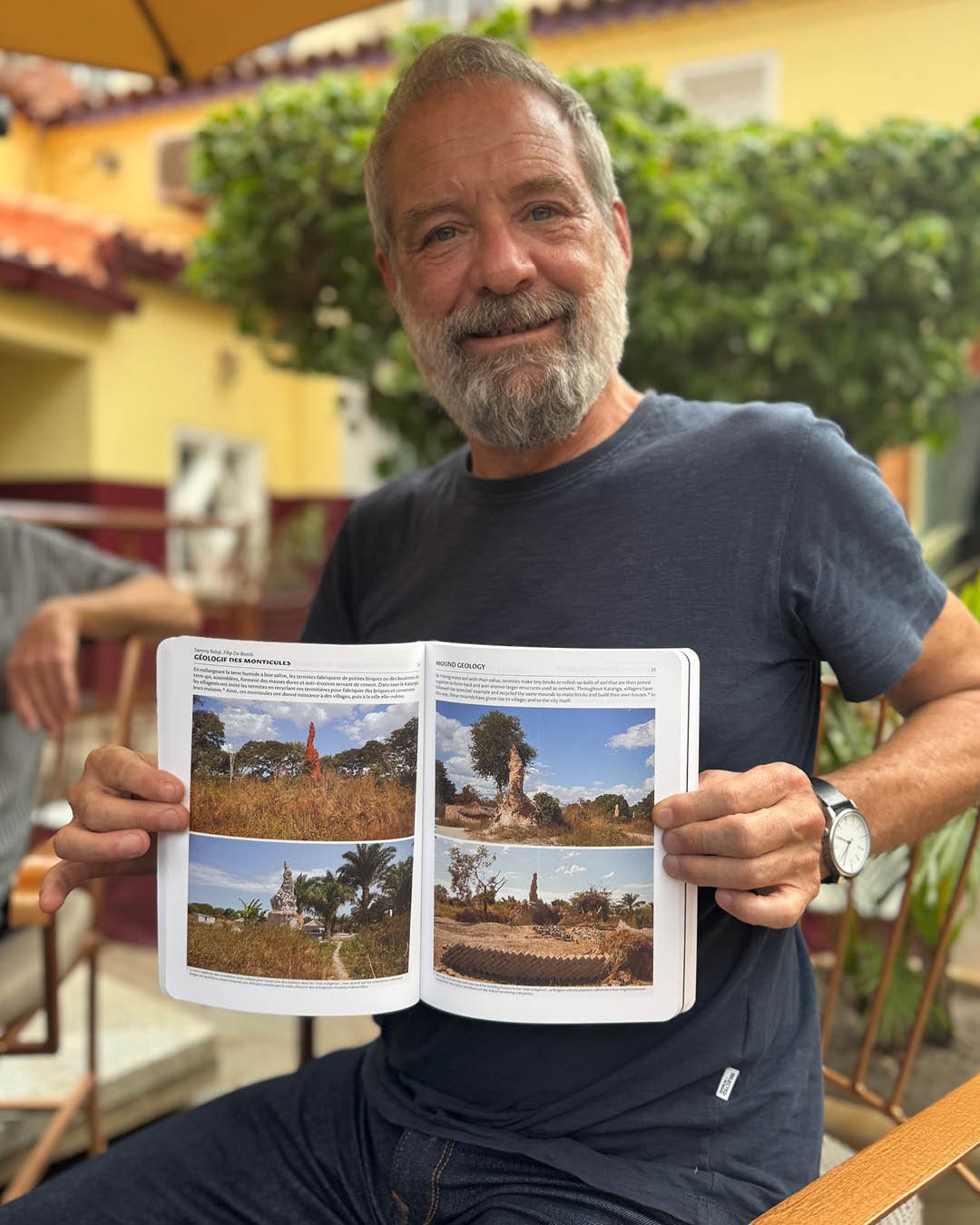
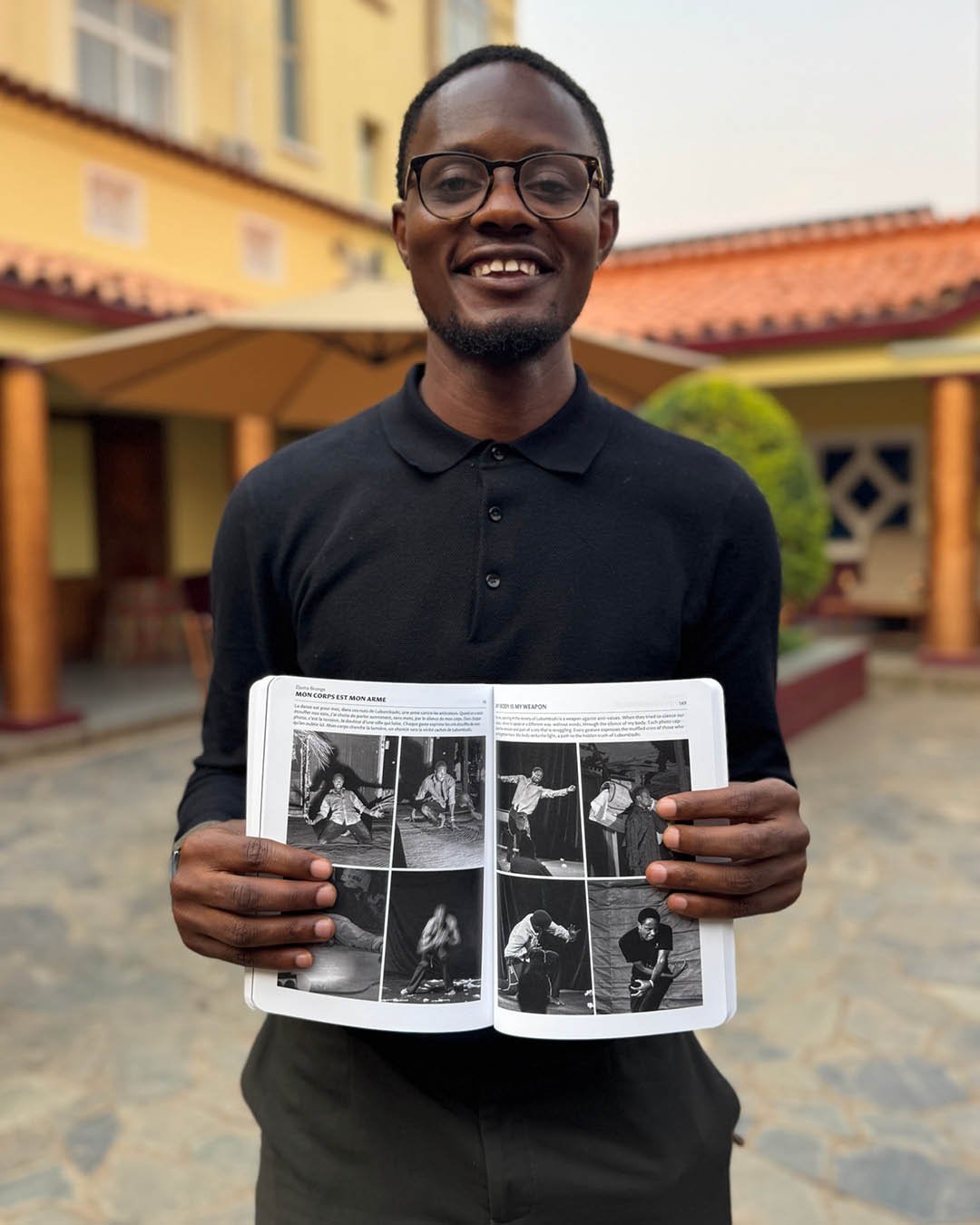
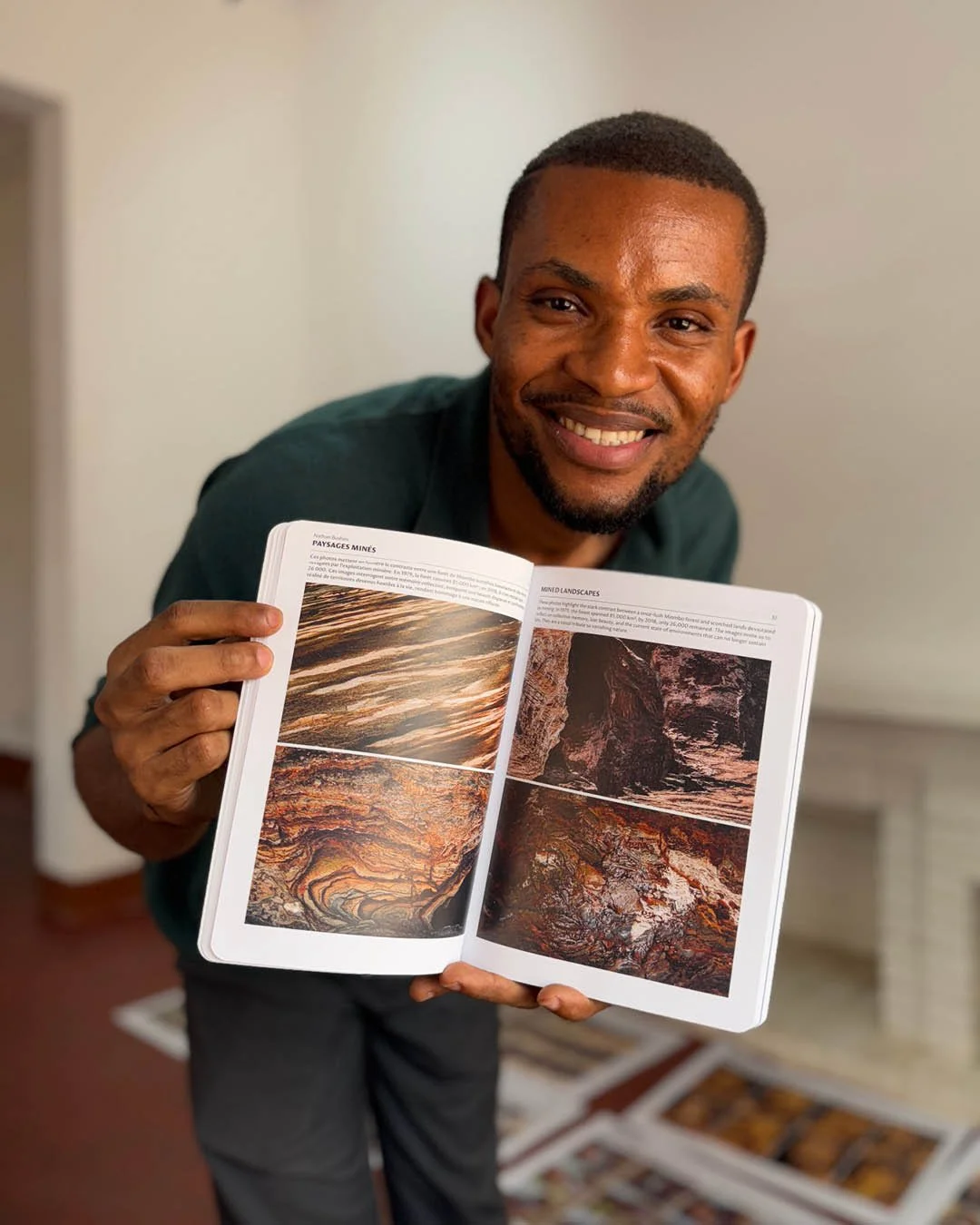
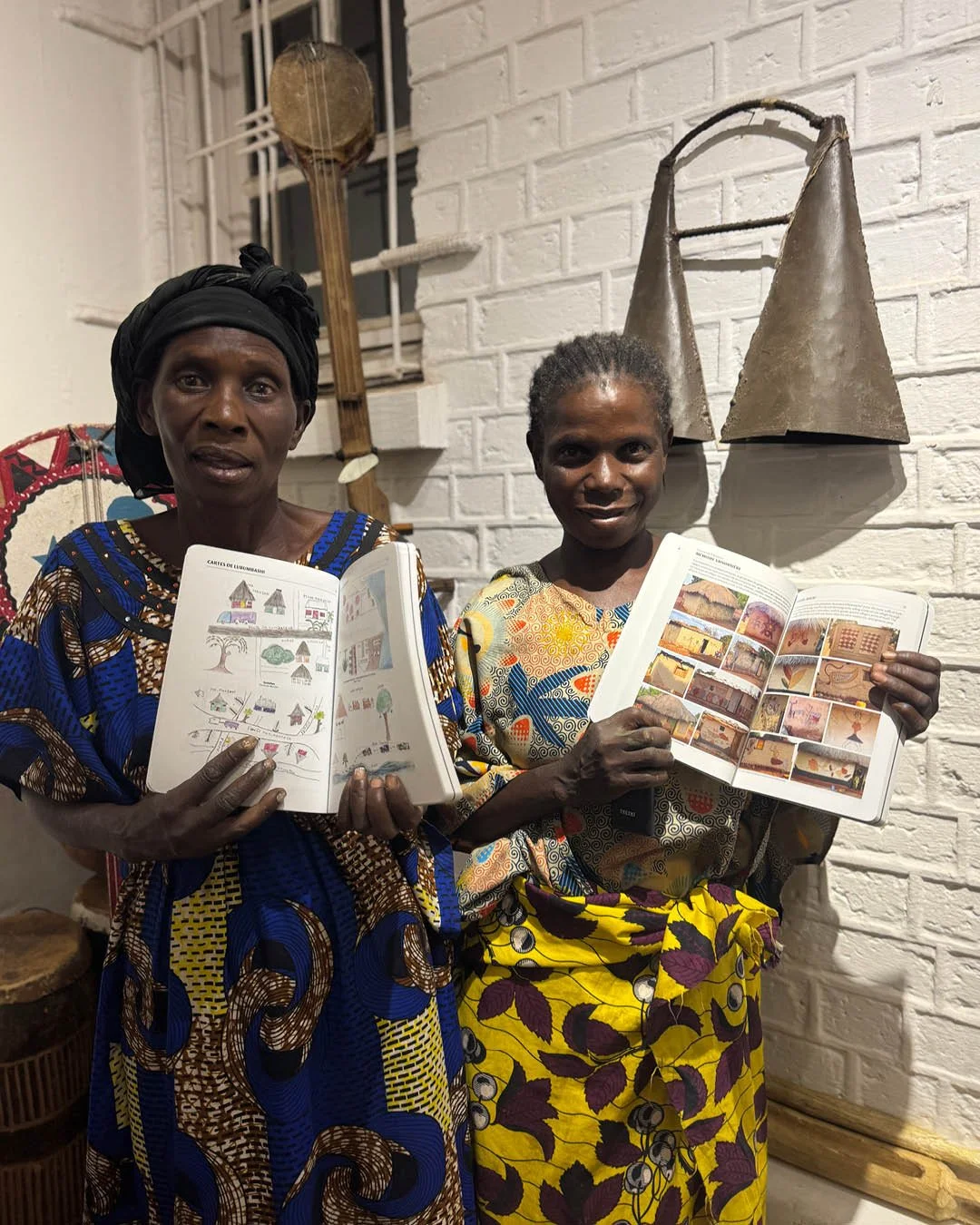
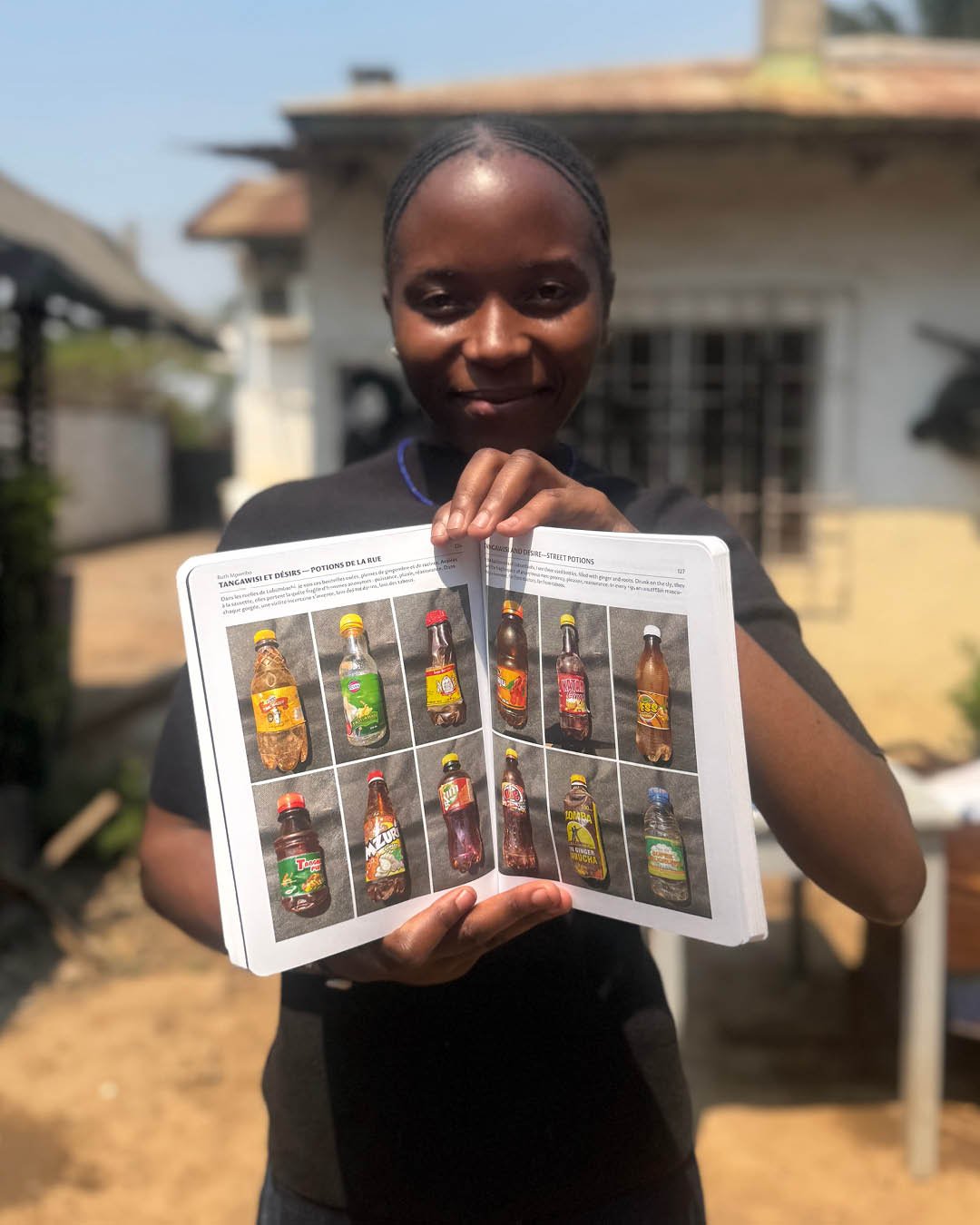
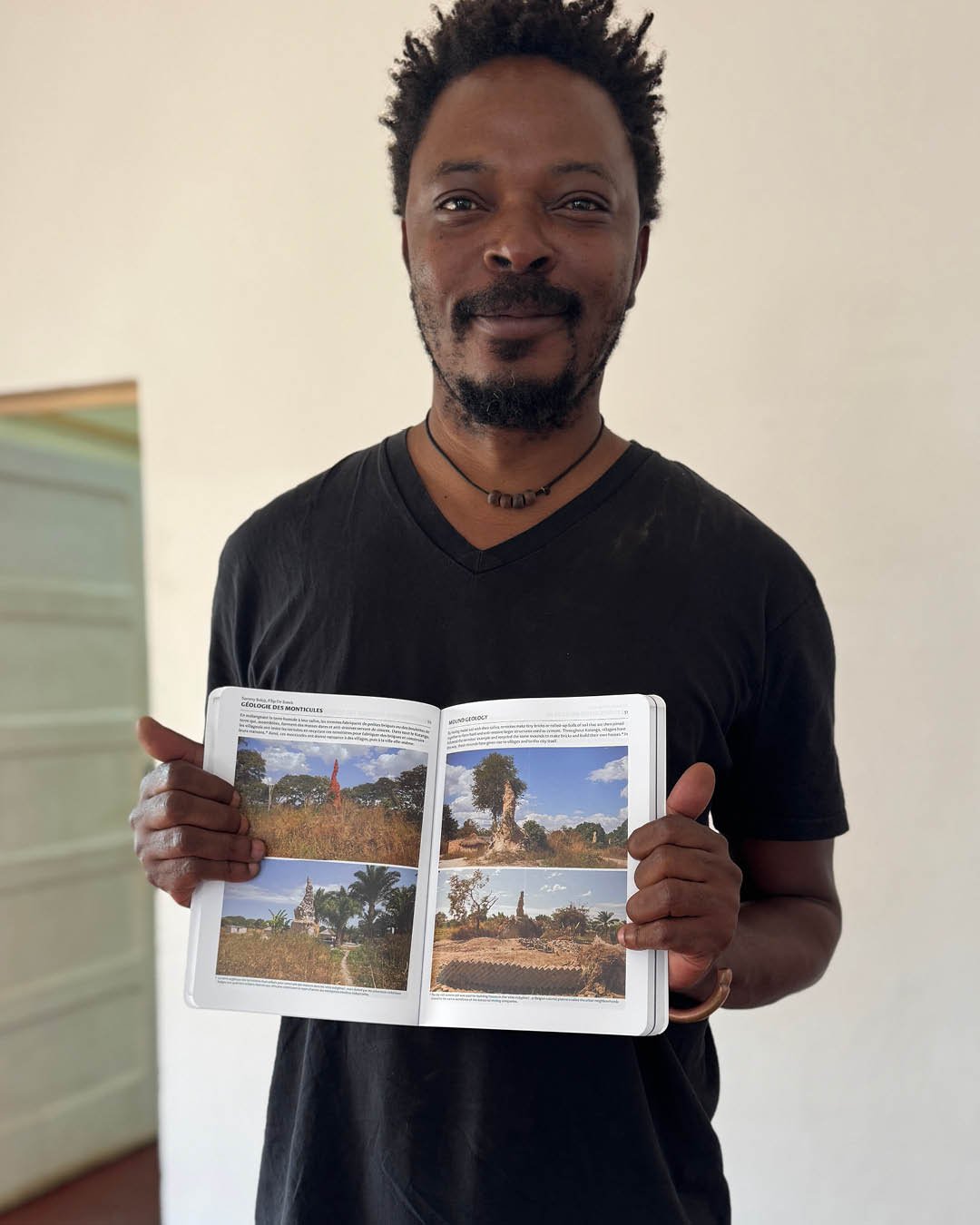
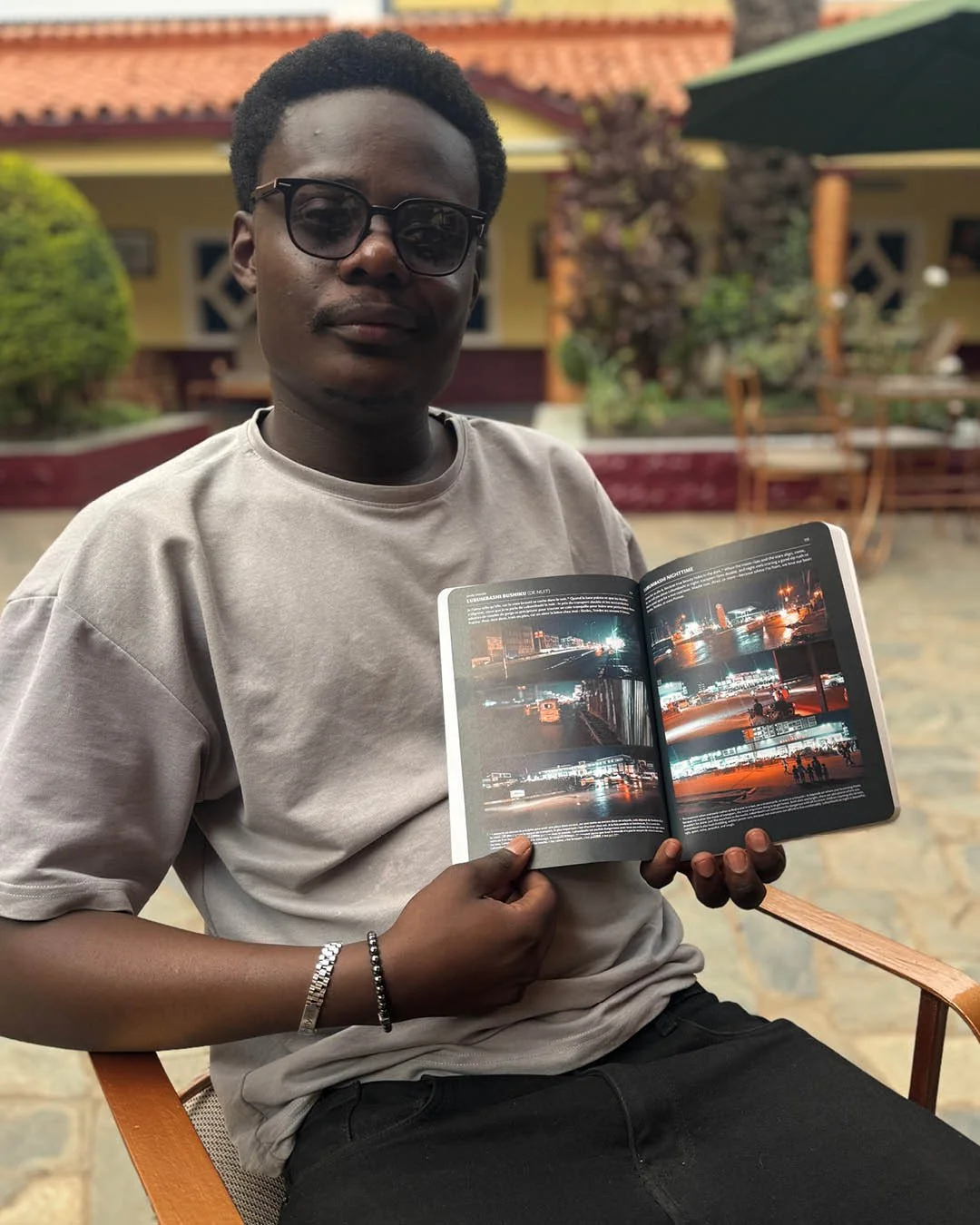
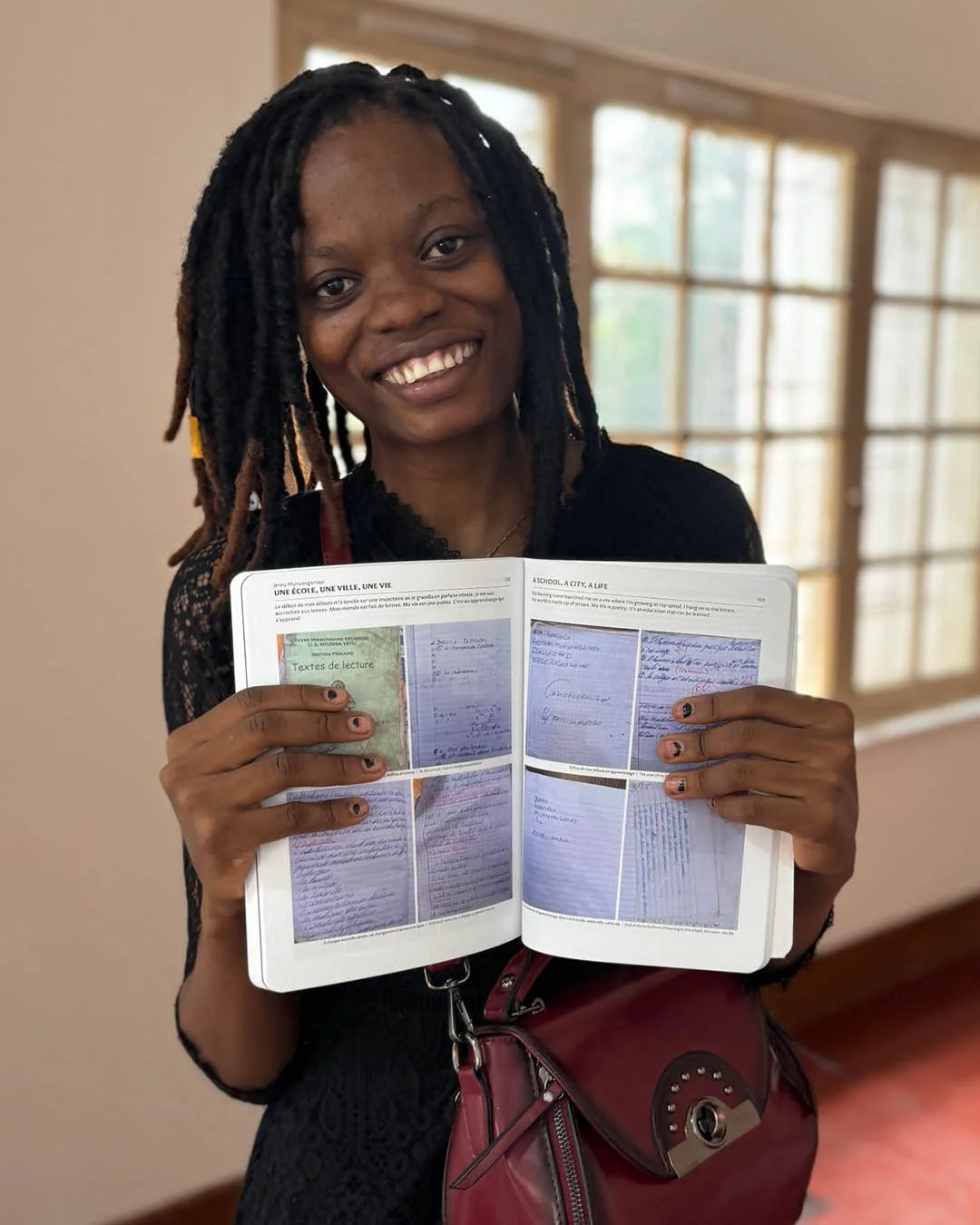
Participants presenting their contribution to the atlas, Lubumbashi, October 2026
Testimonials
— Sirimuka Media (October 2024)
“Taking part in the creation of this atlas, dedicated to the realities of the city of Lubumbashi, has been a deeply enriching experience for me. Alongside the participants, I had the privilege of contributing to the writing of the accompanying texts, giving voice to the many artistic and cultural practices that shape the everyday lives of the people of Lubumbashi. This collective endeavour, enriched by diverse perspectives and sensitivities, has revealed a multifaceted portrait of the city. I would also like to acknowledge the invaluable collaboration of my friend Semi Kansense, whose talent for design and guidance in photography gave the publication its striking visual identity. Together, we combined our skills to create a work that reflects the cultural and artistic vitality of Lubumbashi. It is with great satisfaction that we see this project come to fruition. It embodies not only a shared memory, but also an invitation to discover and celebrate the artistic richness of our city, Lubumbashi.”
— Grady Bizaki Fungafunga, editor (August 2026)
“I particularly appreciated the way the Subjective Atlas workshops, organised at the Picha Art Centre, succeeded in bringing together people who were extremely different from one another, far beyond the artistic sphere alone. This diversity of individuals and perspectives gave rise to a genuine symbiosis among the participants, especially within the small groups formed around different themes and disciplines—theatre, photography, drawing, writing, among others. I also greatly enjoyed seeing my team carry this project through to completion with such rigour, care and commitment. Every stage of the process was conducted thoughtfully and with a strong spirit of collective intelligence, which made the experience particularly meaningful and rewarding. I am immensely pleased with the final project. It reflects not only the richness of the exchanges and the range of sensibilities that came together during the workshops, but also a collective and deeply sensitive way of telling the story of Lubumbashi. I feel a profound sense of pride in having led this project and in seeing all that it has made possible, both humanly and artistically.”
— Gaëlle Van Lede , director Picha (August 2026)
Acknowledgements
This publication is a result of collaboration between Subjective Editions and the Picha Collective
Editor-in-chief: Annelys de Vet Editorial team: Grady Bizaki Fungafunga, Filip De Boeck, Semi Kansense, Jean-Sylvain Tshilumba Mukendi, Gaëlle Van Lede Workshop facilitators: Grady Bizaki Fungafunga, Chryss Dayond, Semi Kansense, Samy Mwamba, Annelys de Vet
Contributors: Sammy Baloji, Andy Batakela, Djuma Birongo, Grady Bizaki Fungafunga, Jackson Bukasa, Nathan Bushiru, Corneille Chabala, Chryss Dayond, Filip De Boeck, Junior Doki, Tshilembo Esinde Mick, Olivier Fall, Willy Ilumbo, Joël Ilunga Mukendi, Christian Kabeya Kabel, Jocelyne Kabund, Jenny Kaj Lumpungu, Ketsia Kakudji, Sophonie Kalala, Georges Kalassa, Kalombo II, Claire Kalume Kisimba, Joëlle Kandolo, Semi Kansense, Elias Kapend Ngwej, Evodie Kasana Malenge, Marshal Chris Kasongo, Justice Kasongo Dibwe, Jean Katambayi Mukendi, Lydia Katanga, Elie Kazembe, Josias Kisasi, Isabelle Kisimba, Mary Kitwa, Divine Lelo Kintona, Ethan Luaba Ndala, Léone Makonga Musenge, Bedusei Mambu, Jordy Mande, Rebecca Manga, Kasongo Mardochee Kas-Mar Houdini, Mickael-Sltan Mbanza, Perlyra Mbayo, Stephanie Mbuyu, Déborah Mpalaba, Ruth Mpombo, Aaron Mudjobole, Joyce Muhoya, Melissa Mujinga, Daniel’art Mukembe, Pendeza Mulamba, David Muland, Josephine Muloba, Fernande Munsha, Jenny Munyongamayi, Eliakim Musung, Eraste Muthangi, Anthony Mutshipule, Samy Mwamba, Matt Mwehu, Joe-Patrick Mwenda, Eldaa Mwepu, Ghershom Nanukila, Divine Ndaya, Joseph Ngoy Banza, Kongol Ngoy Simplice (Lenfant Noir), Francine Ntanga, Joe Nyembo, Israël Nzila, Jean Okonyi Lokudi, Roger Peet, Cecilia Perle Biayi, Ramazani RK, Erik Sadiki, Christian Salomon Kalembwe Kapako, Jéhonissi Salumu, Georges Senga, MLD Slamareine, Daddy Tshikaya, Jean-Sylvain Tshilumba Mukendi, Armel Tshimanga, Gaëlle Van Lede, Ilunga Vanhis, Annelys de Vet, Jean Vigoltha, Nicolas Wasakwel, Marcel Yabili Generously supported by: Flanders, State of the Art, CIFAR (Canadian Institute for Advanced Research), KU Leuven