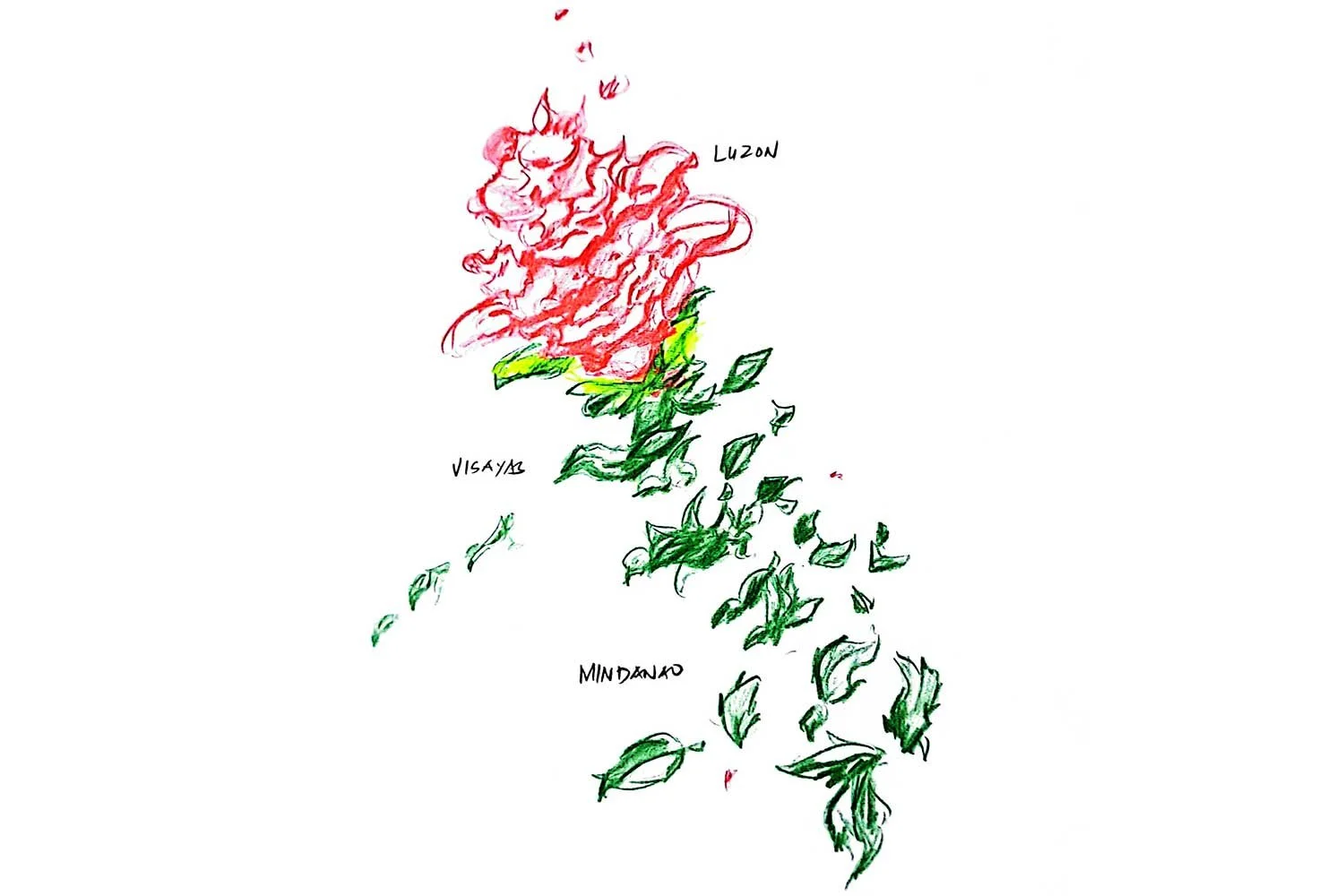
Subjective mapping of Pakistan
★ Spring 2015 → Winter 2019 ⚑
What and who do we speak of when we speak of Pakistan today? Initiated by curator, artist, and documentary maker Taqi Shaheen, we posed this question to more than sixty artists, designers, and creative practitioners from across Pakistan through workshops and personal conversations. It invoked unexpected kinds of thinking towards complex questions of identity through a criss-cross of fruitful alliances, conversational trajectories, and inspiring encounters. Together, with fresh perspectives, we set out to map the understanding of a country so often misunderstood.

Subjective Editions & University of Karachi, 2018
English, 208 full-colour pages, 16.5 x 22 cm
—
What and who do we talk about when we speak of ‘Pakistan’ and the ‘Pakistani’? This question was posed to more than eighty artists, designers, and other creative souls across Pakistan. They responded with maps, inventories, photographs and drawings that explored the multifaceted microcosm of their real and imagined lives. These investigations will take you through the labyrinths of cityscapes, hidden lairs beneath layers of domes, nationalist rants, fictional propaganda, and corporate deceptions.
This book revels in the unexpected and the overlooked, the hidden and the mysterious, the obscure and bizarre. Through these compelling contemporary cartographies, the Subjective Atlas of Pakistan offers a humanised vision of ongoing conflicts pacified through visual poetics of personal stories, fears, hopes and dreams.
—
ISBN 978-908-291-991-2
EDITOR-IN-CHIEF: Annelys de Vet
CURATOR: Taqi Shaheen
EDITING AND EXECUTIVE PRODUCTION: Taqi Shaheen, Annelys de Vet
GRAPHIC DESIGN: Taqi Shaheen, Annelys de Vet, Noortje van Eekelen in collaboration with all the contributors
INTRODUCTION: Kamila Shamsie

Subjective Editions & University of Karachi, 2018
English, 208 full-colour pages, 16.5 x 22 cm
—
What and who do we talk about when we speak of ‘Pakistan’ and the ‘Pakistani’? This question was posed to more than eighty artists, designers, and other creative souls across Pakistan. They responded with maps, inventories, photographs and drawings that explored the multifaceted microcosm of their real and imagined lives. These investigations will take you through the labyrinths of cityscapes, hidden lairs beneath layers of domes, nationalist rants, fictional propaganda, and corporate deceptions.
This book revels in the unexpected and the overlooked, the hidden and the mysterious, the obscure and bizarre. Through these compelling contemporary cartographies, the Subjective Atlas of Pakistan offers a humanised vision of ongoing conflicts pacified through visual poetics of personal stories, fears, hopes and dreams.
—
ISBN 978-908-291-991-2
EDITOR-IN-CHIEF: Annelys de Vet
CURATOR: Taqi Shaheen
EDITING AND EXECUTIVE PRODUCTION: Taqi Shaheen, Annelys de Vet
GRAPHIC DESIGN: Taqi Shaheen, Annelys de Vet, Noortje van Eekelen in collaboration with all the contributors
INTRODUCTION: Kamila Shamsie
The Subjective Atlas of Pakistan is the visual outcome of those encounters. Contributions arose from little anecdotes, trifles of everyday life, alternate symbols, and different points of view coming from implacable critics to the most passionate, romantic admirers. The atlas unfolds beyond linear terrains towards more nuanced insights. Through subjective mapping, it offers a humanized vision of ongoing conflicts pacified through visual poetics of personal experiences, everyday struggles, hopes and dreams, sufferings and sorrows.
Over the course of 4 years we developed this atlas, conscious of the sensitive context of the politicised society with threatened minorities, suffering from post-colonialism and an international misrepresentation. With the project we aimed to contribute to conflict resolution through design with refined, critical and disarming visual research by a large community of people who have been reached during the process.
Process
The contributors have developed their own ways to dissolve worn-out clichéd patterns; their varying mediums created a constellation of possibilities to critically question the apparently objective. They mine deeper into the cultural complexities to find latent patterns within domestic and political situations, economic divisions, creeping social phenomenona around belief systems, ethnic and religious minority issues, and increasingly dominant immigration conflicts.
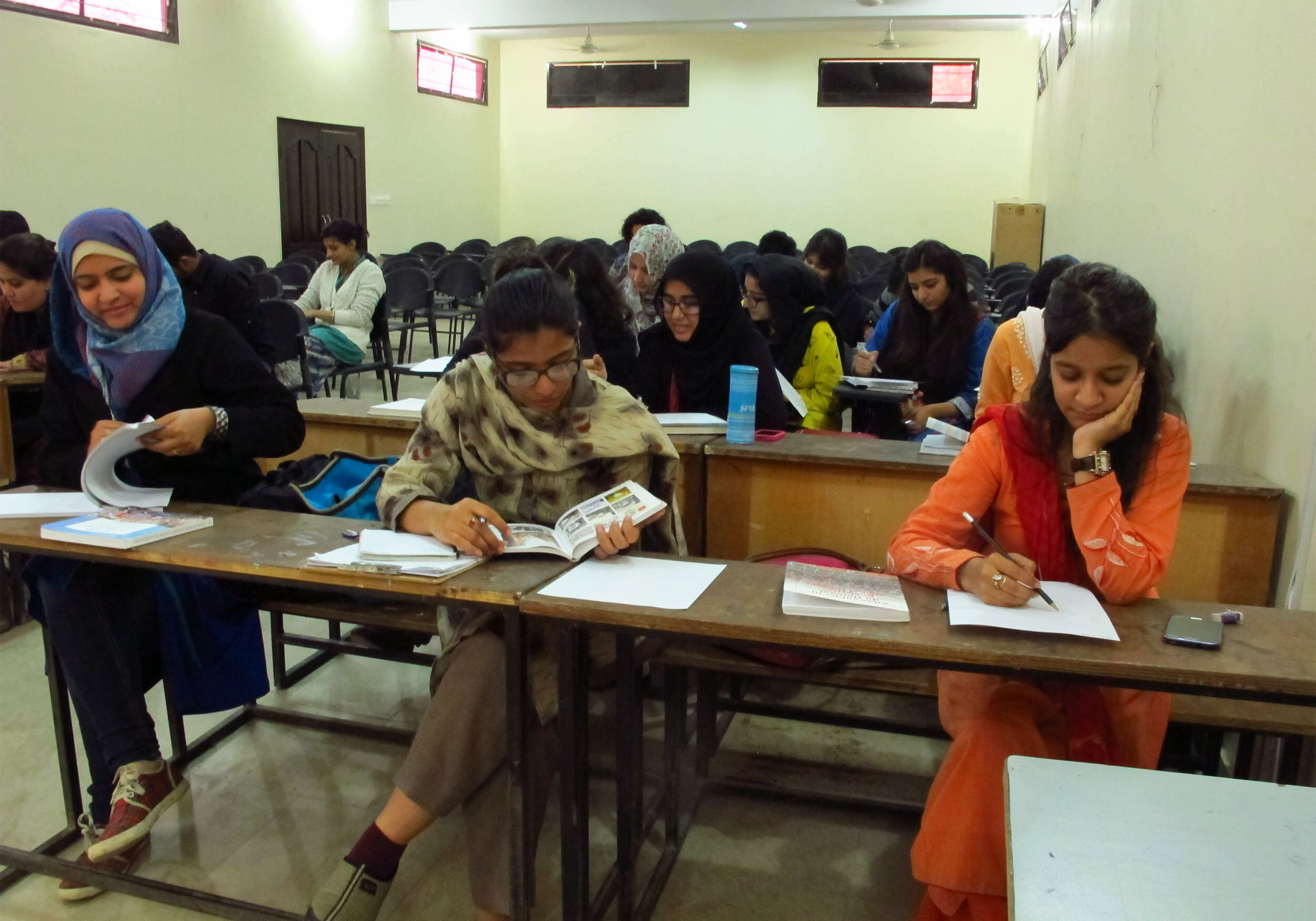

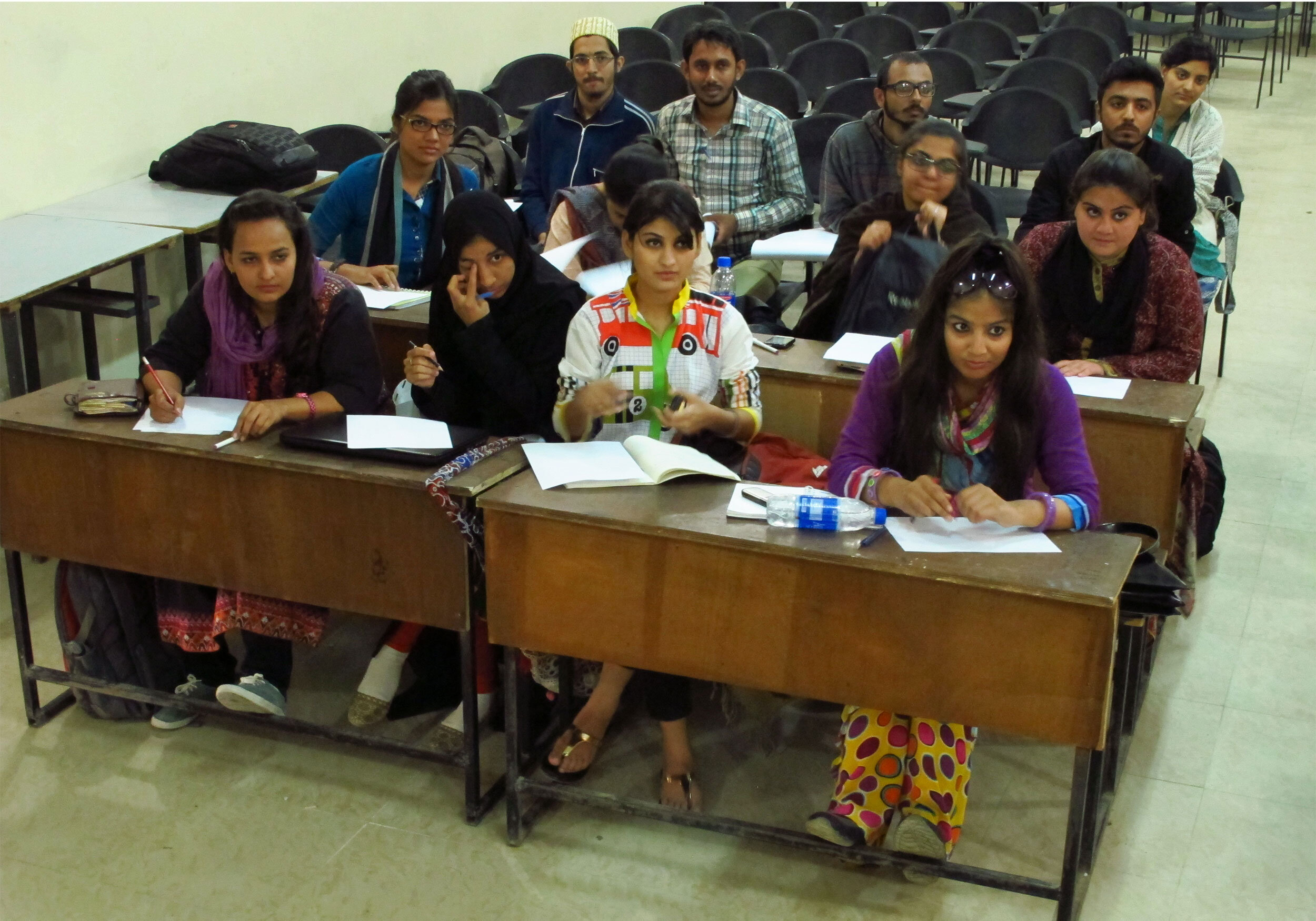
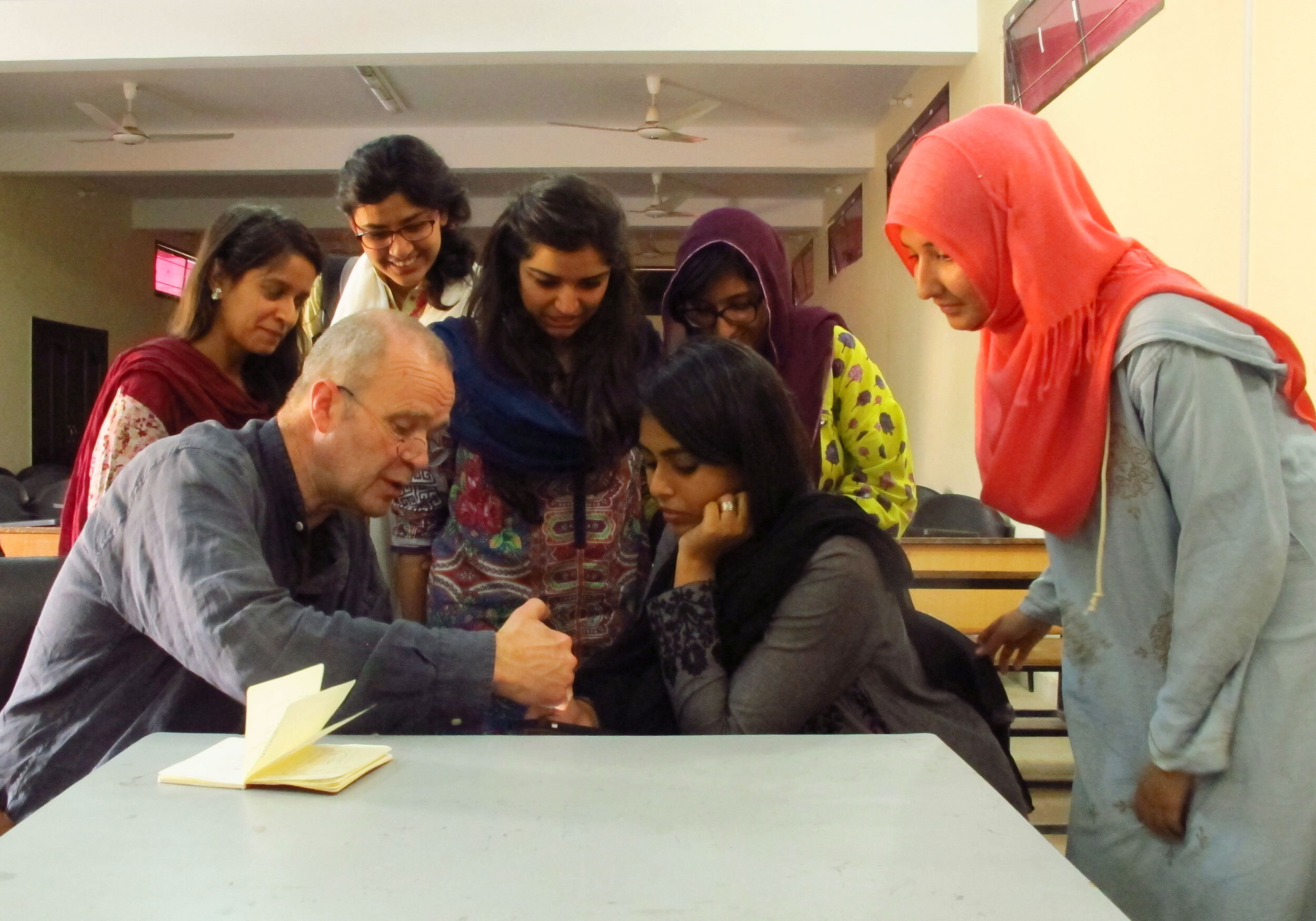
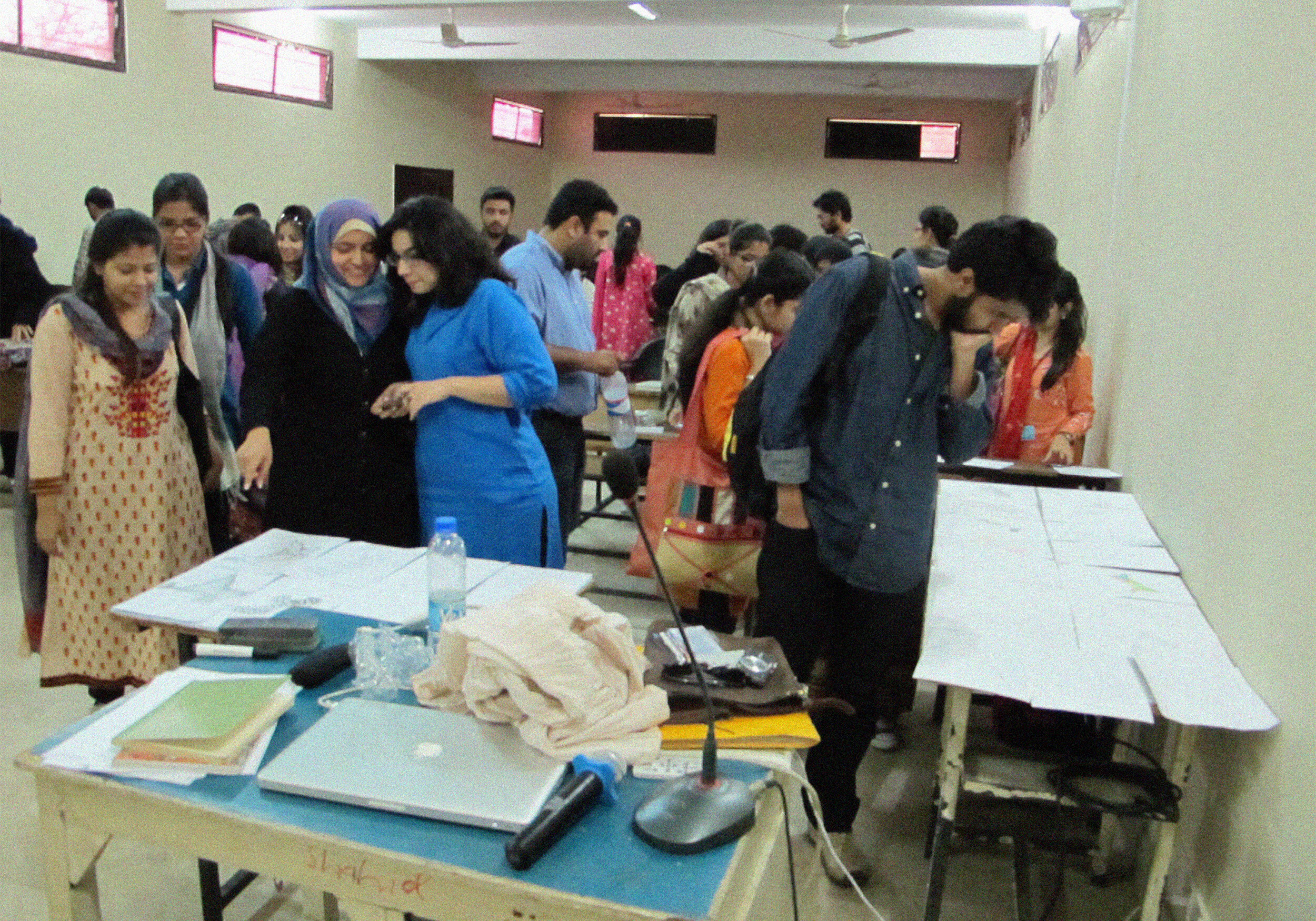
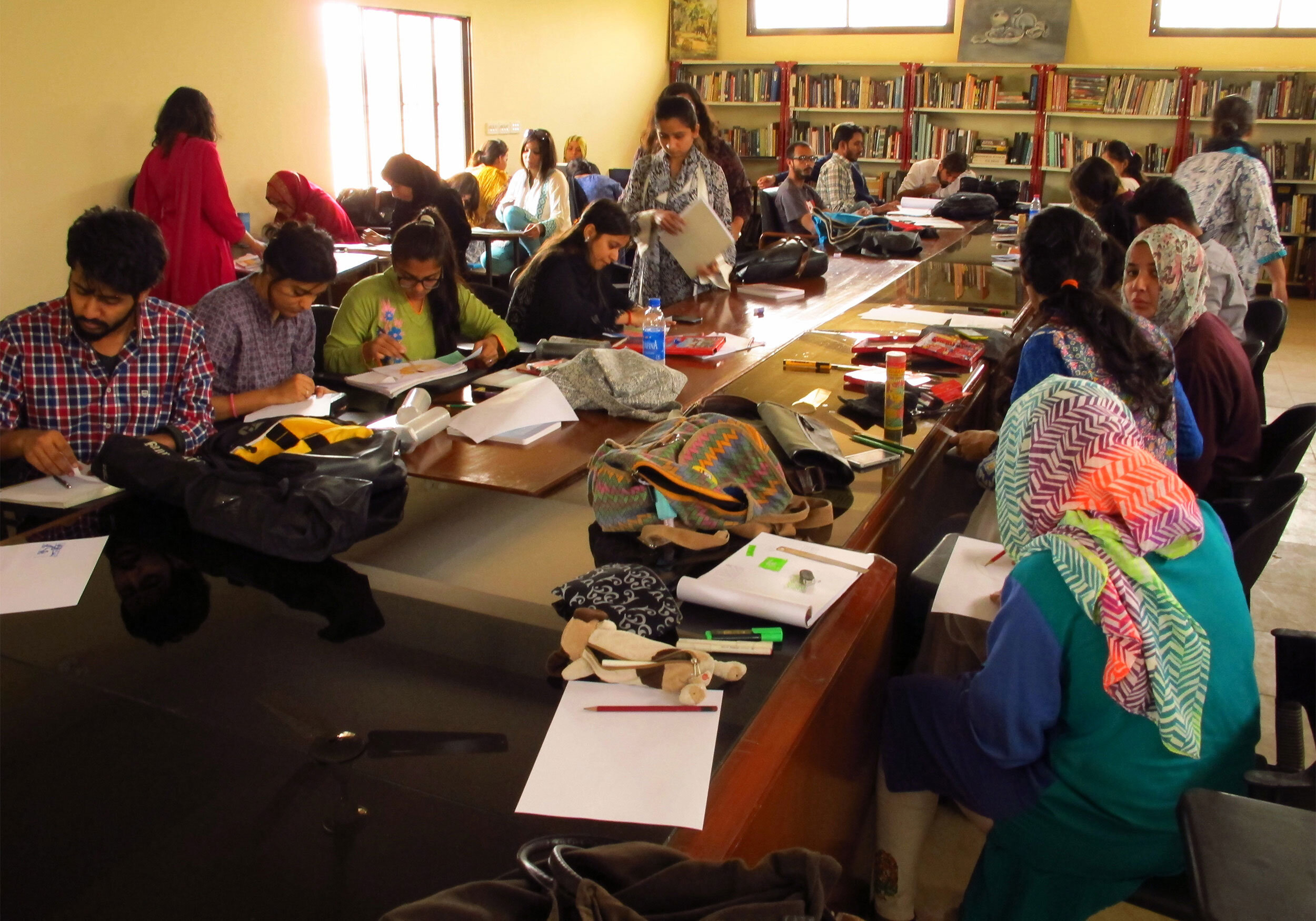
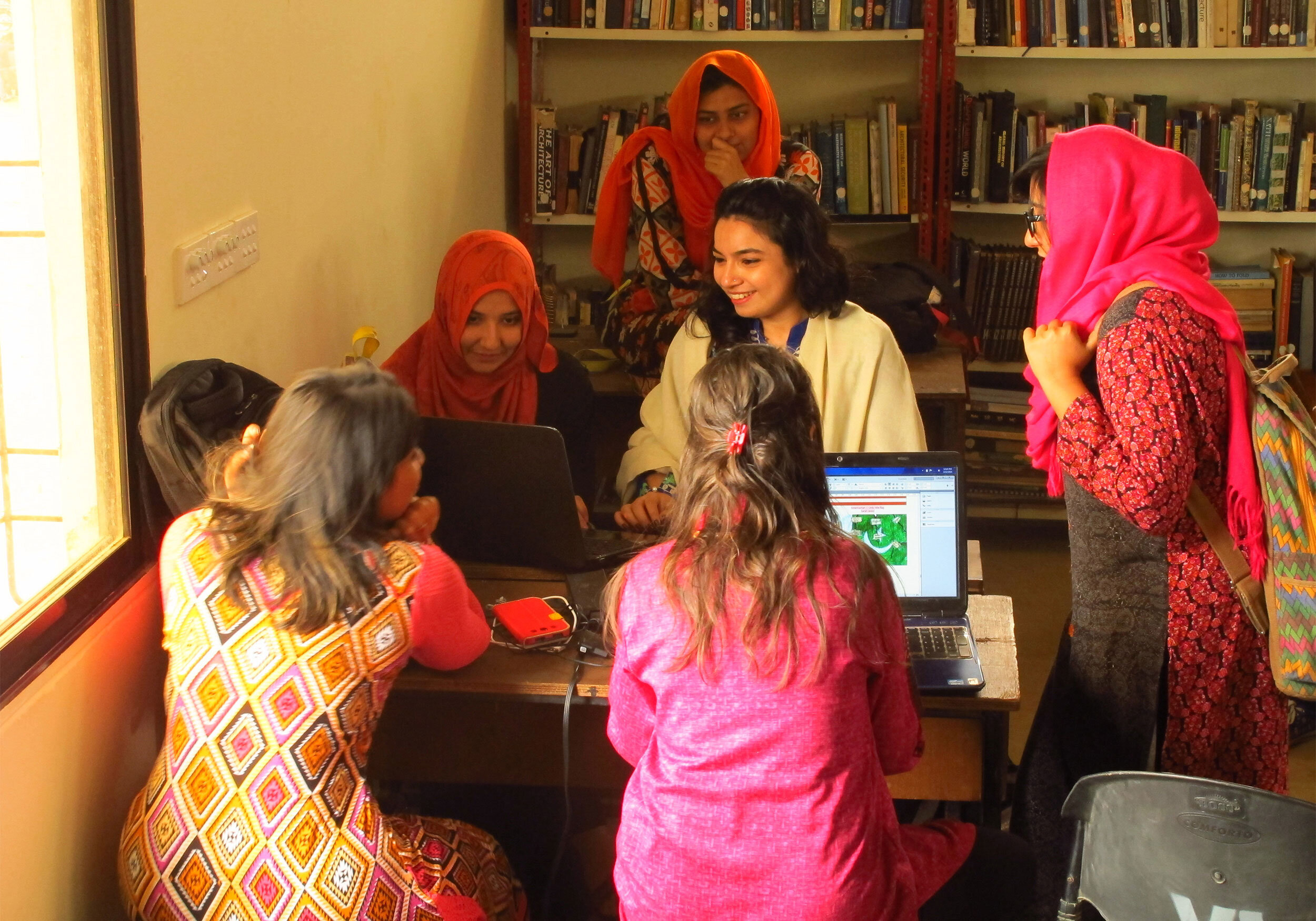
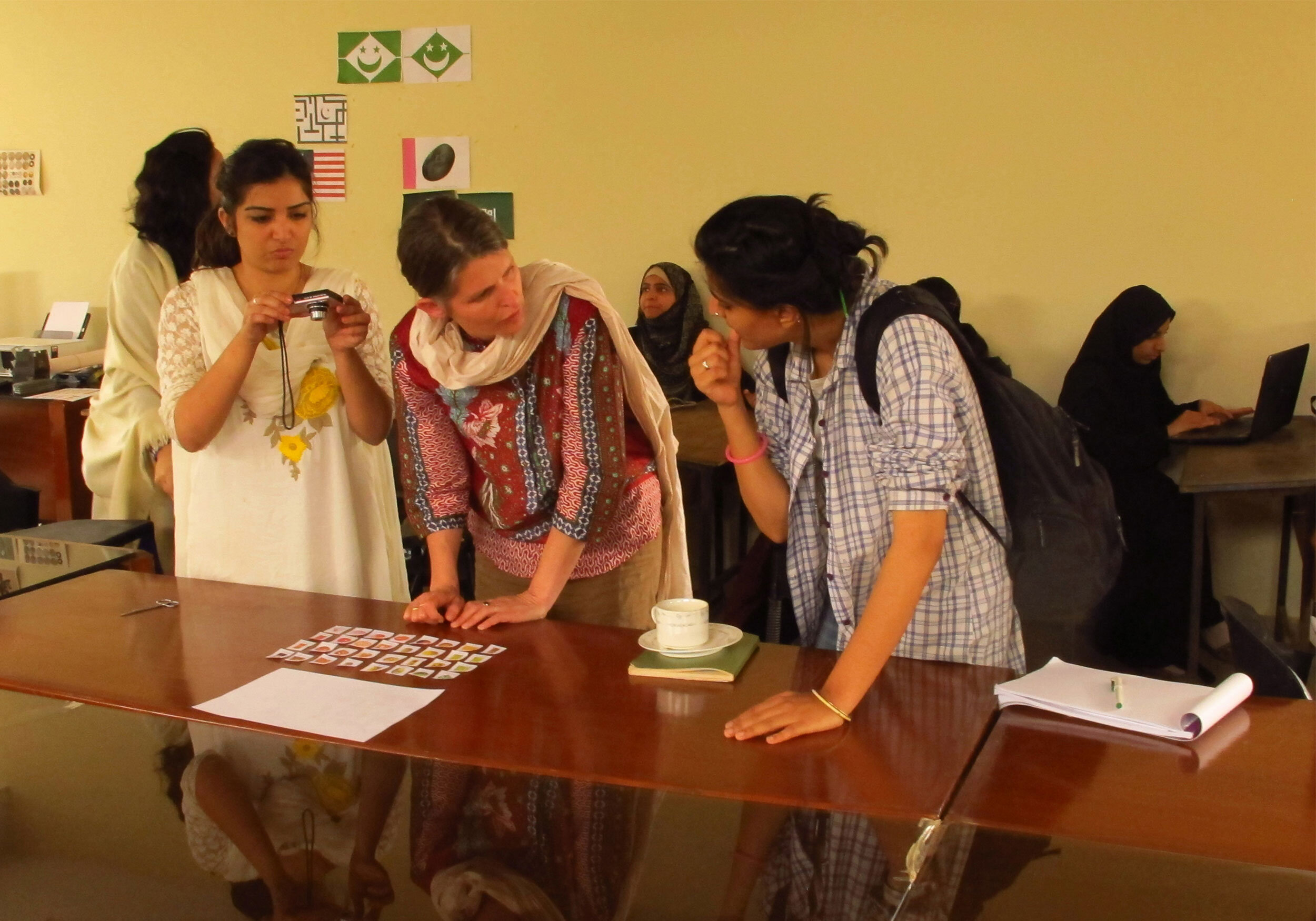
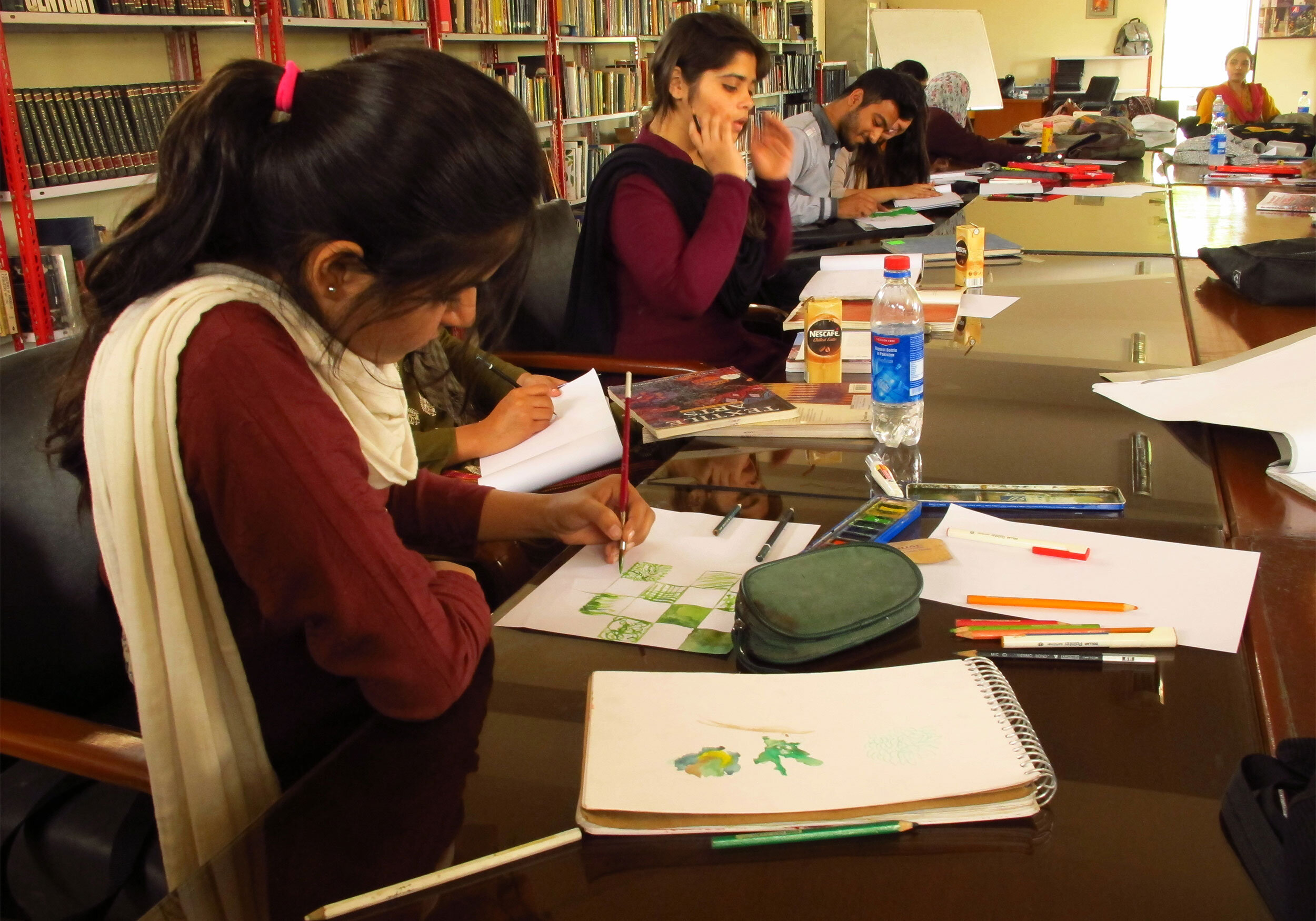
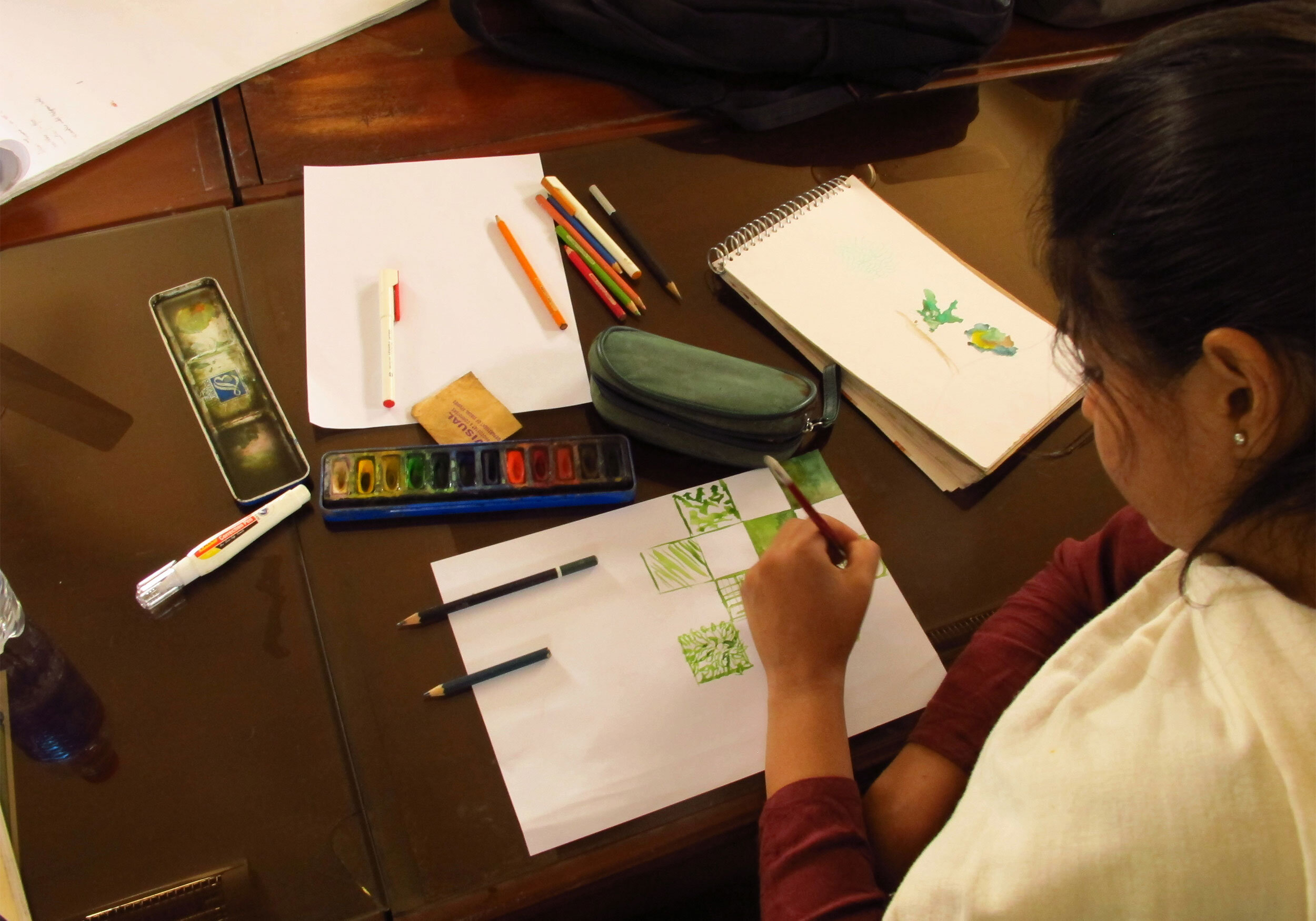
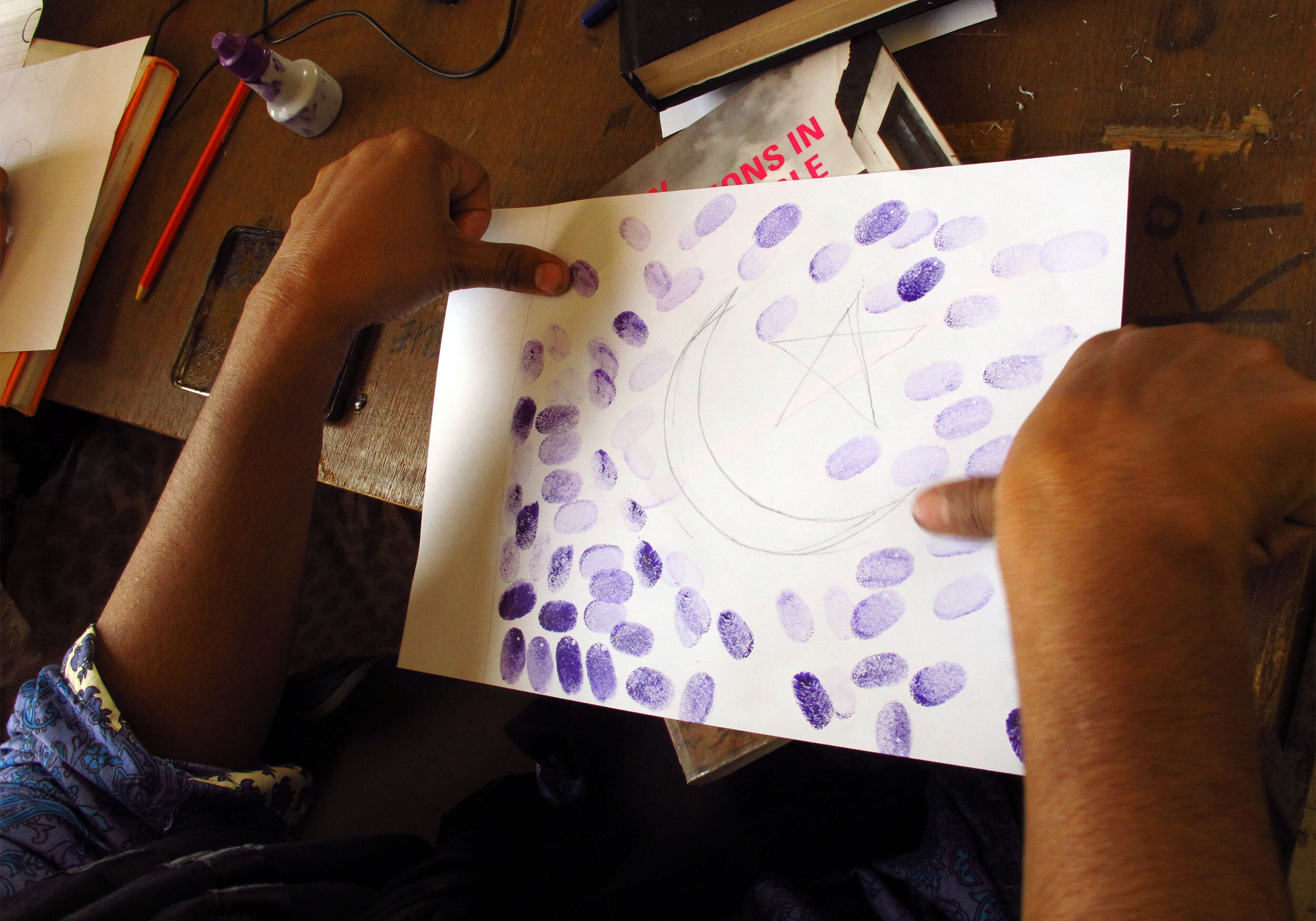
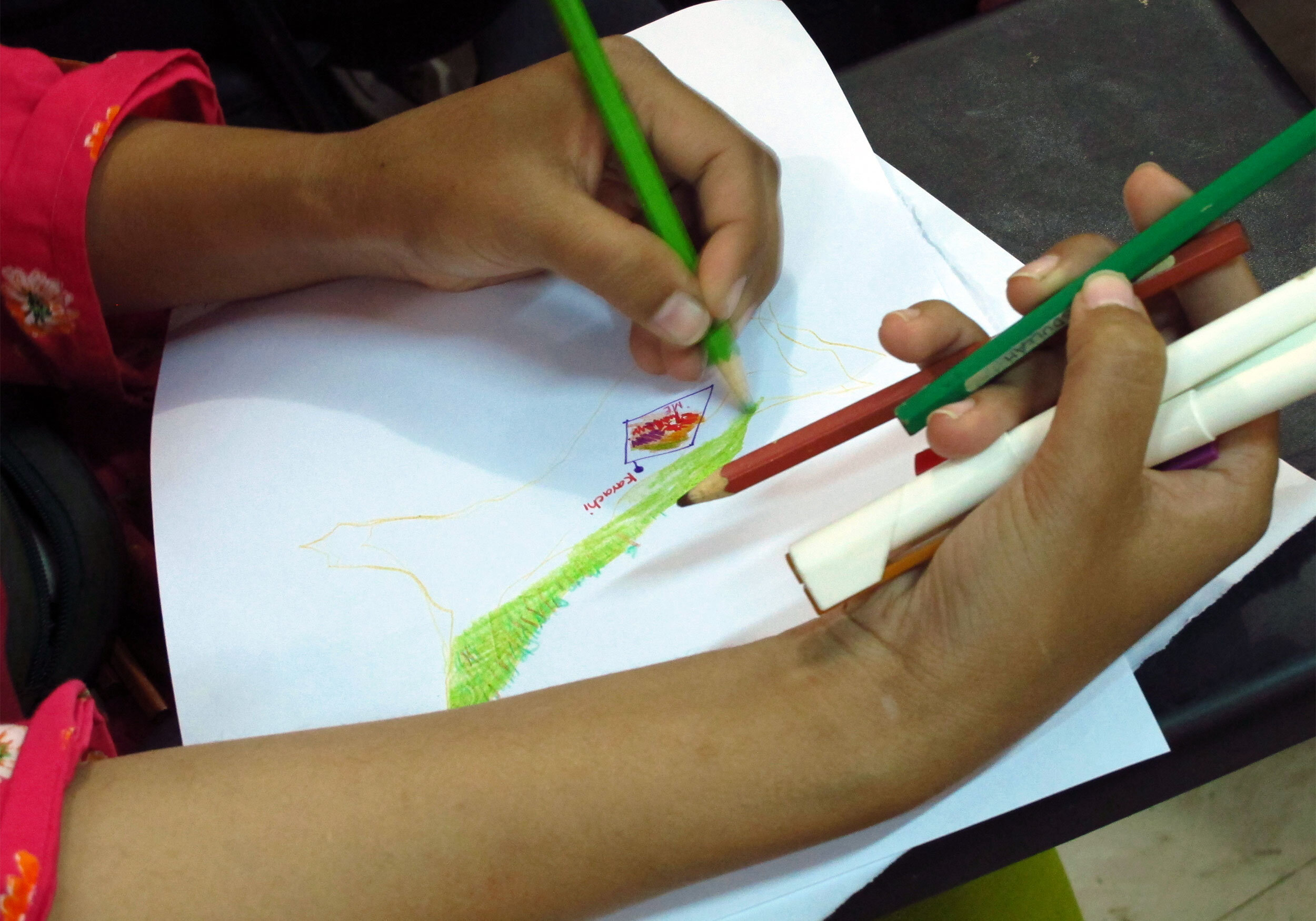
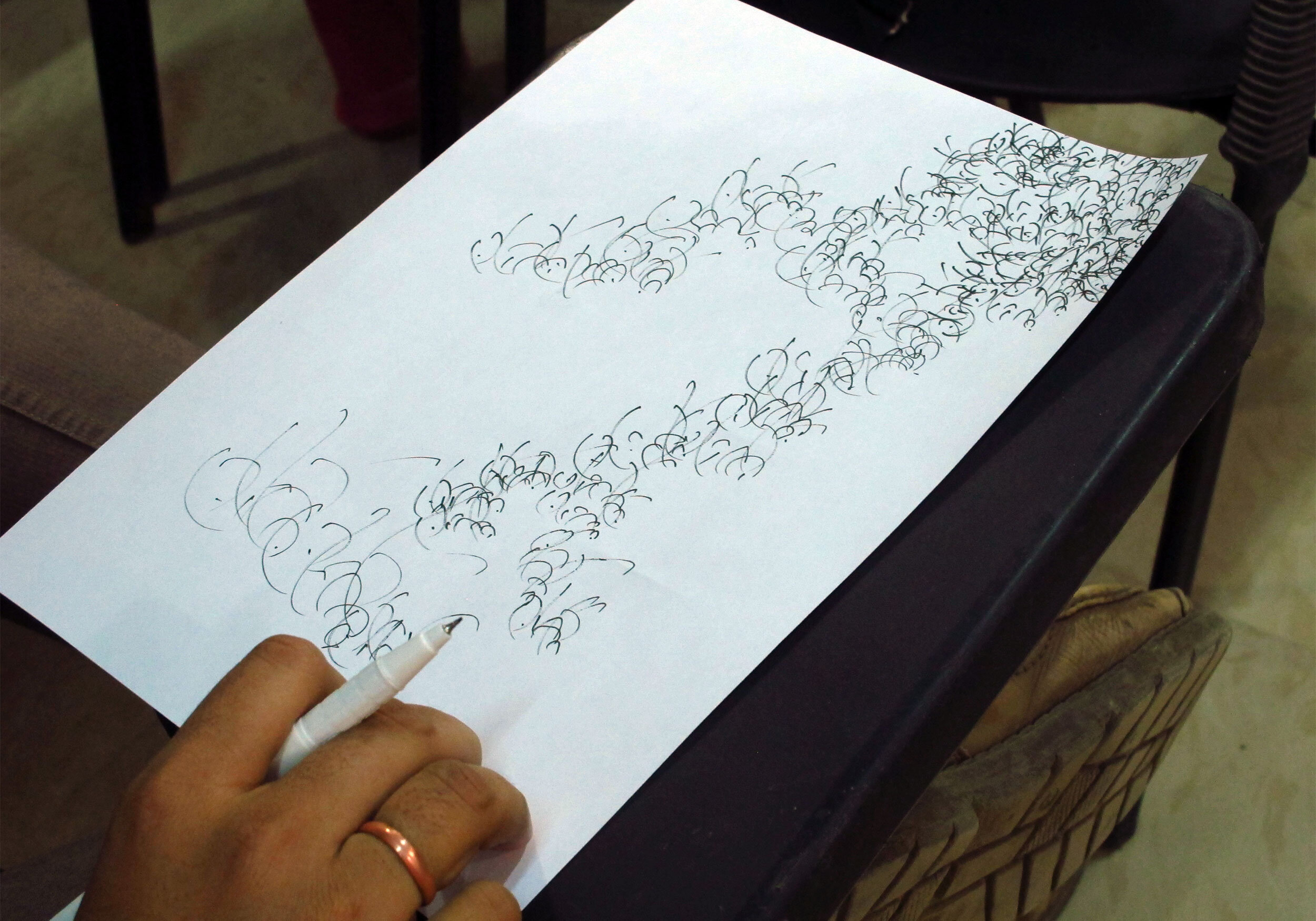
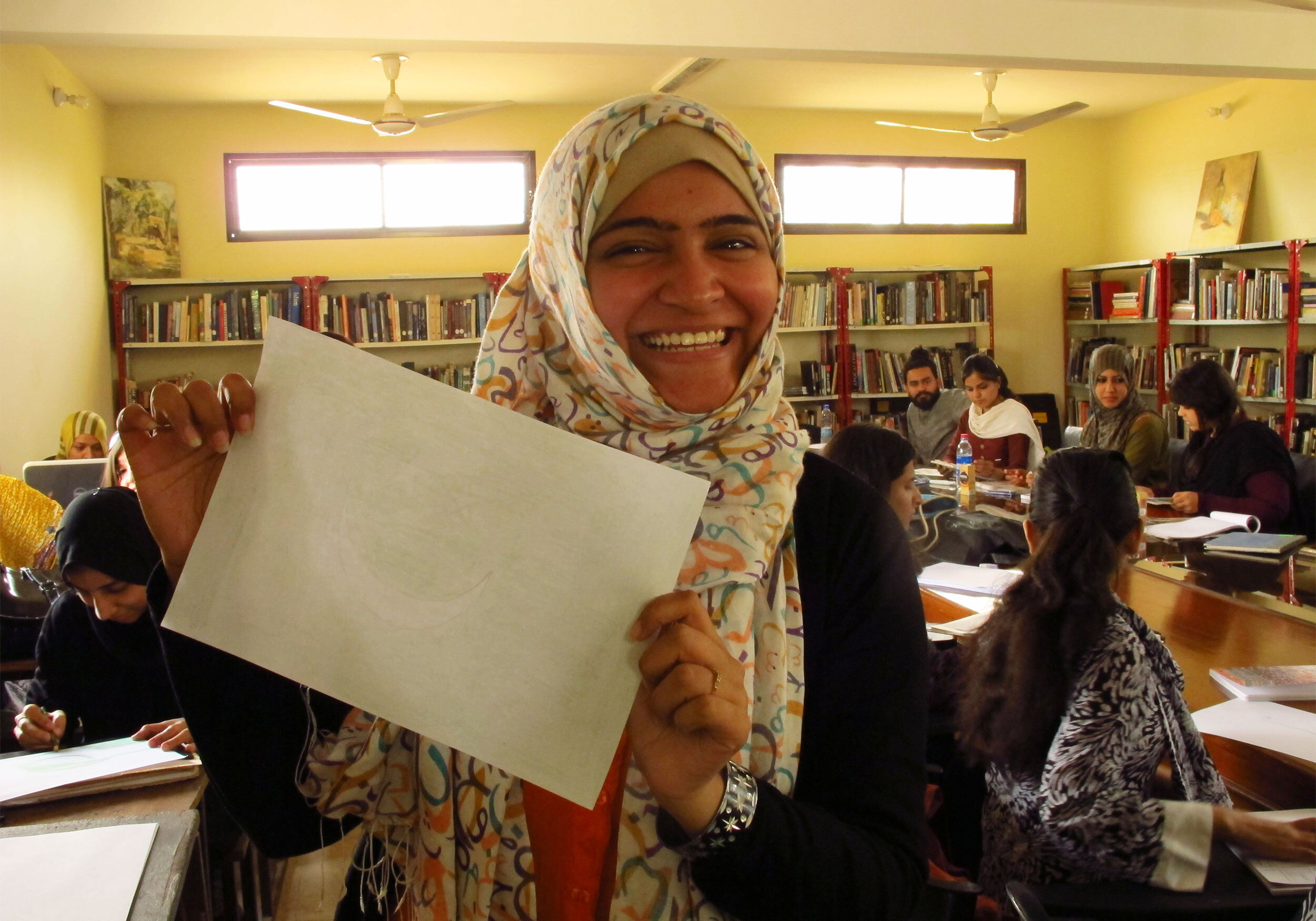
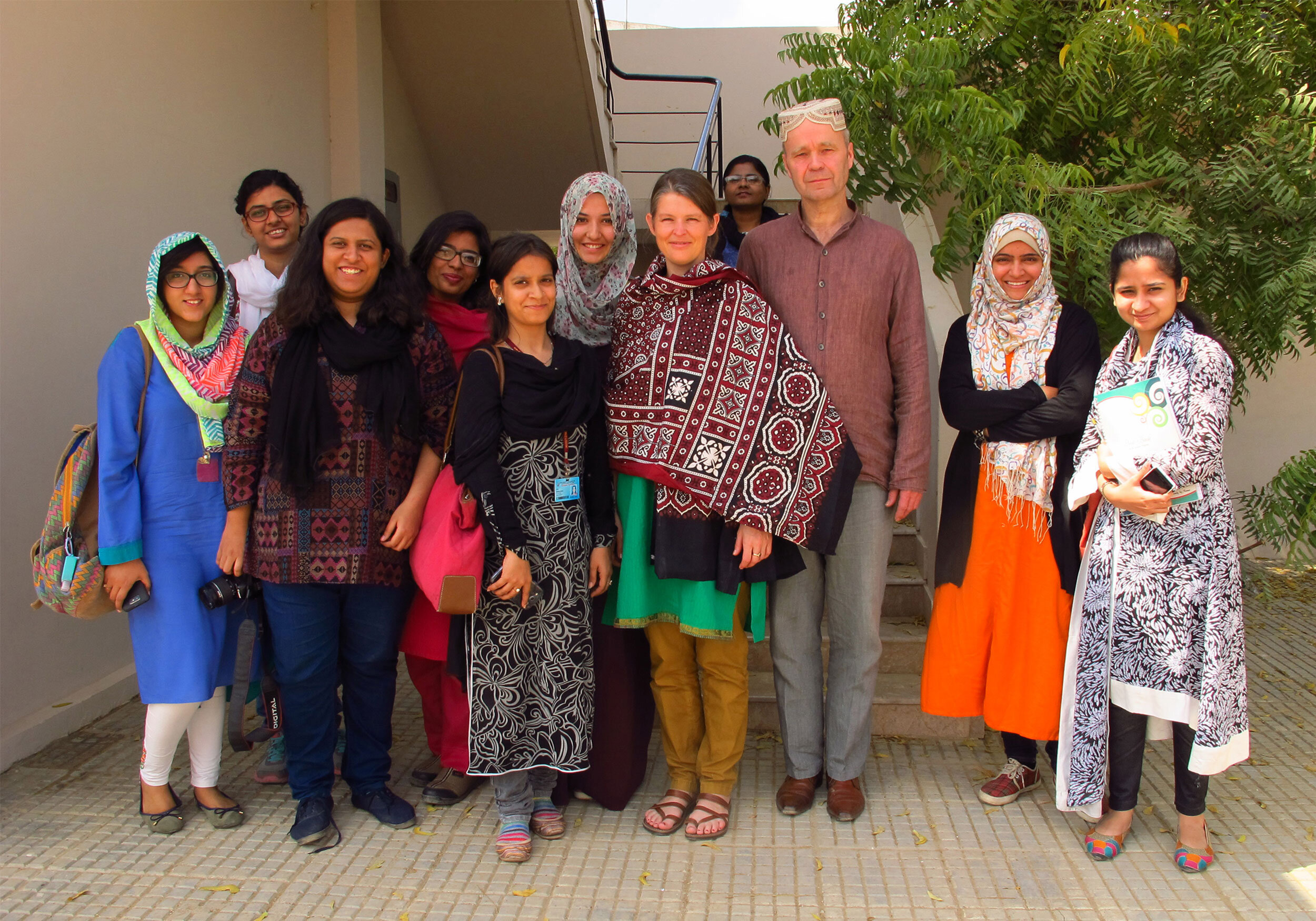
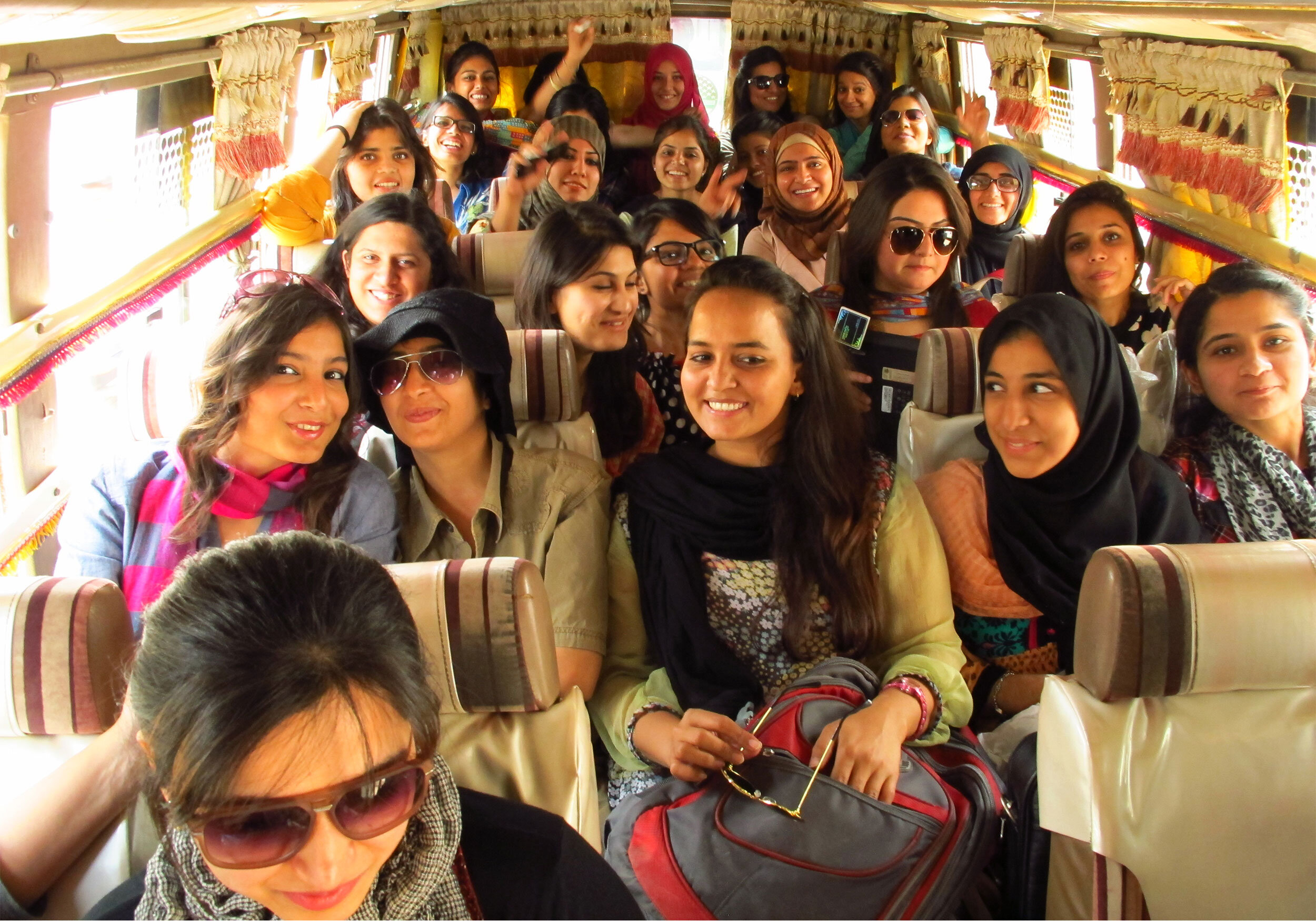
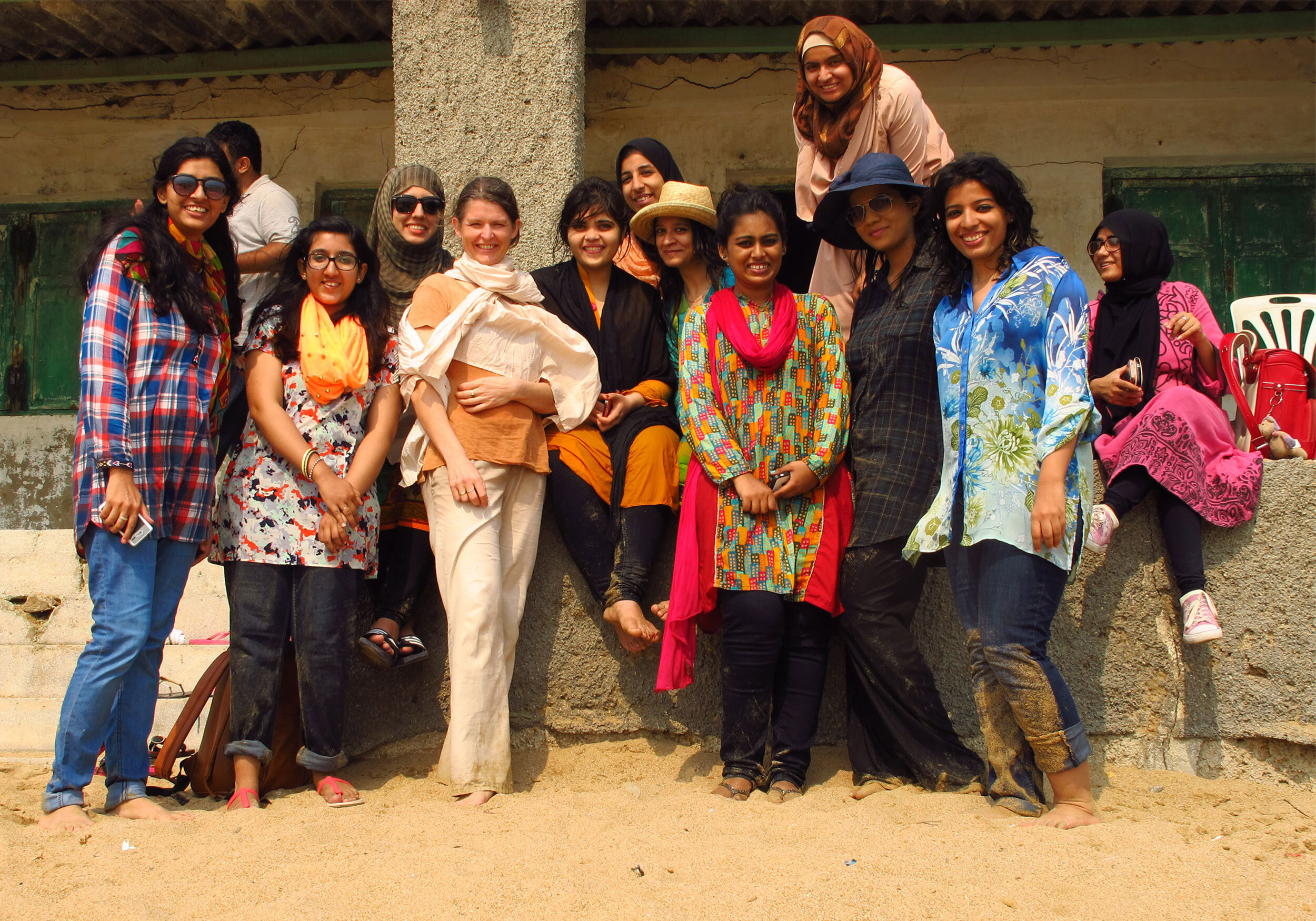
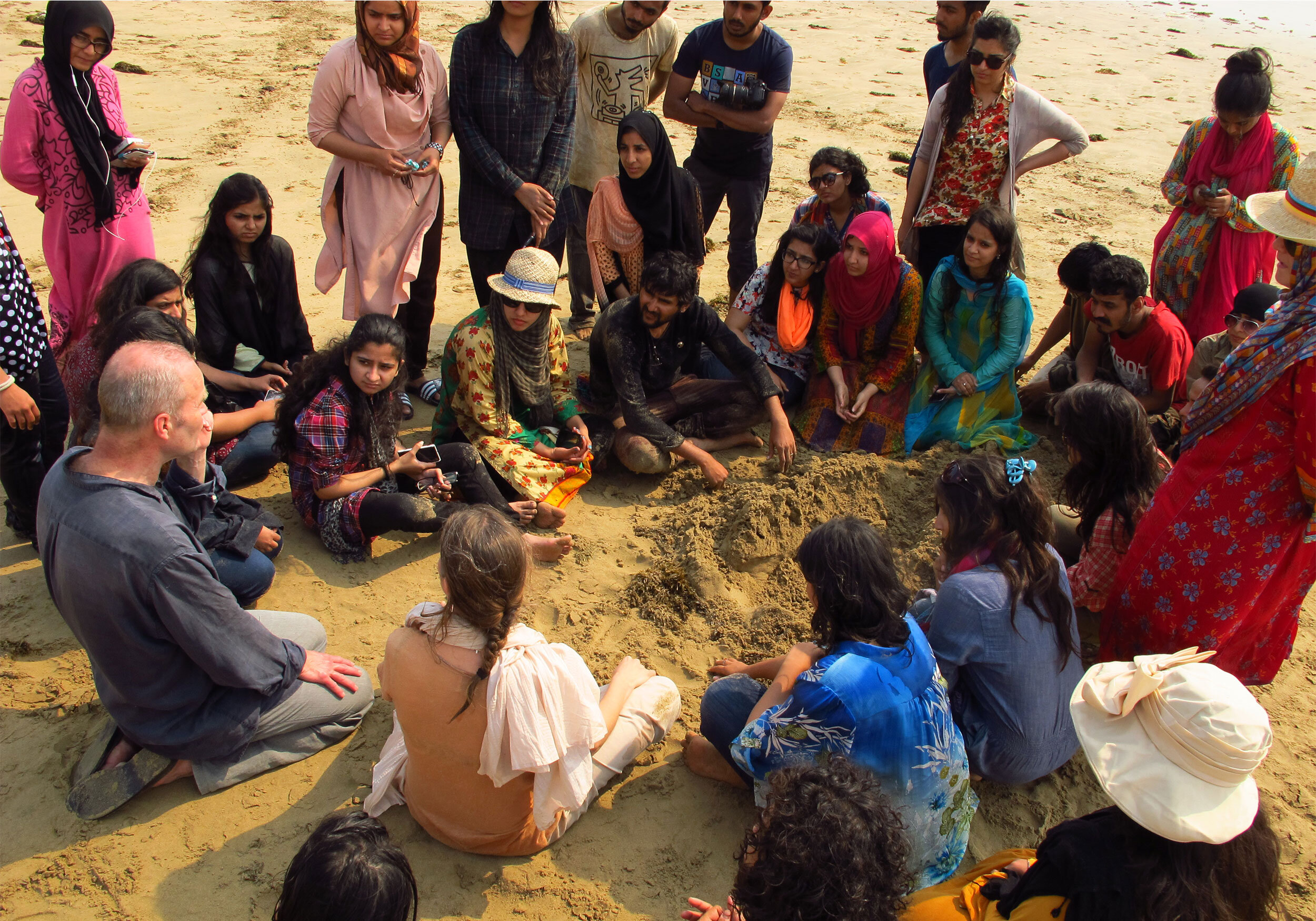
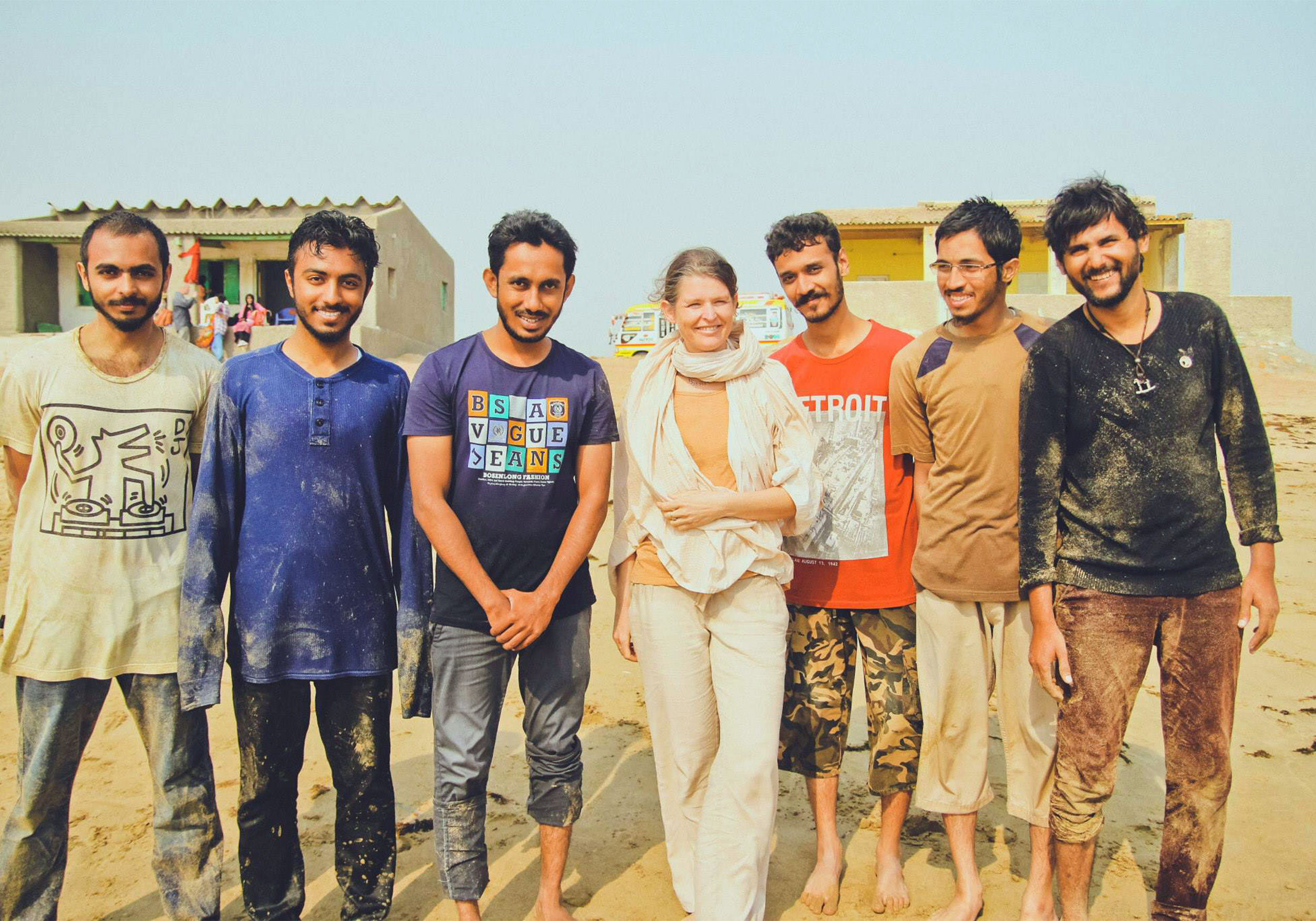
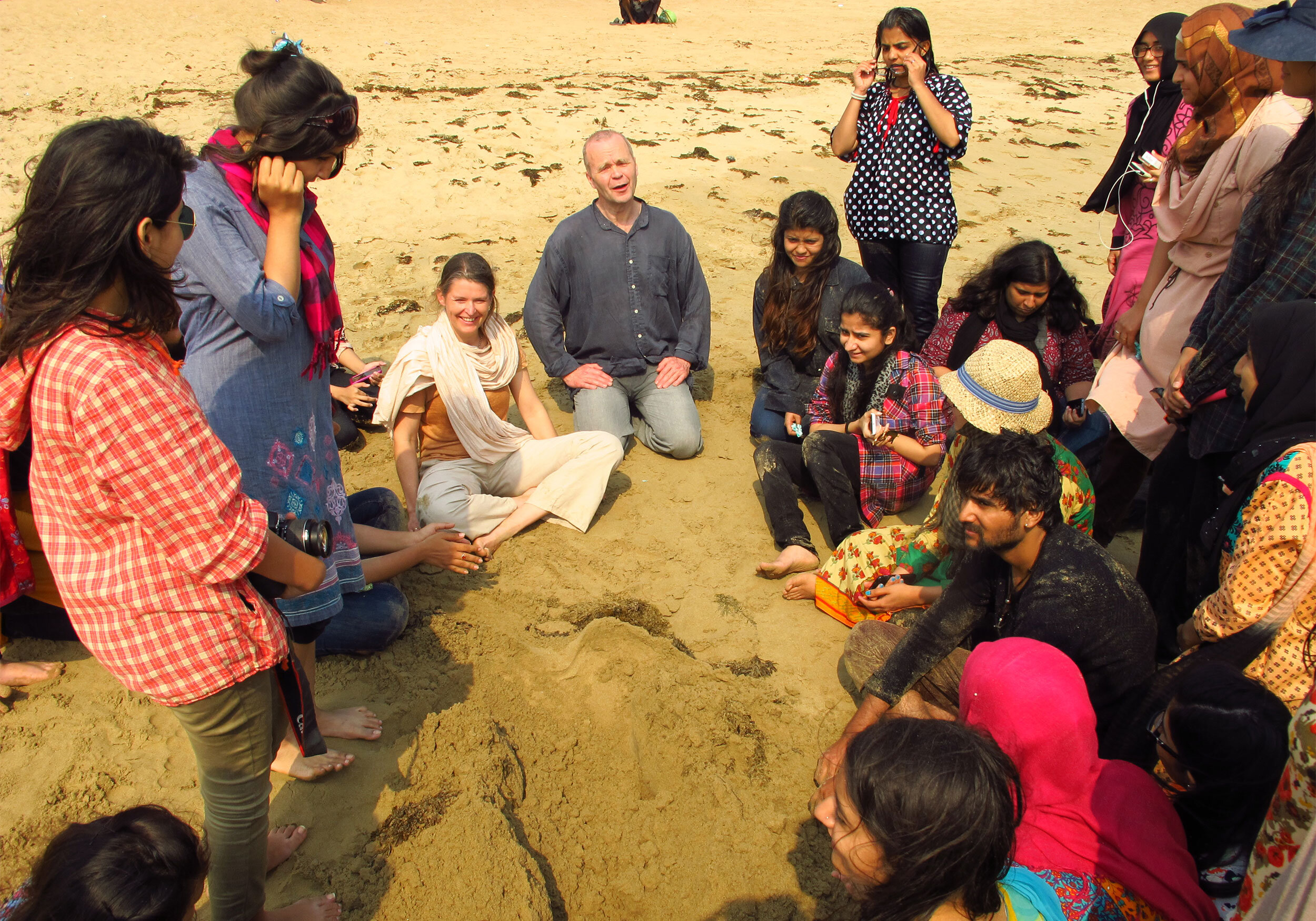
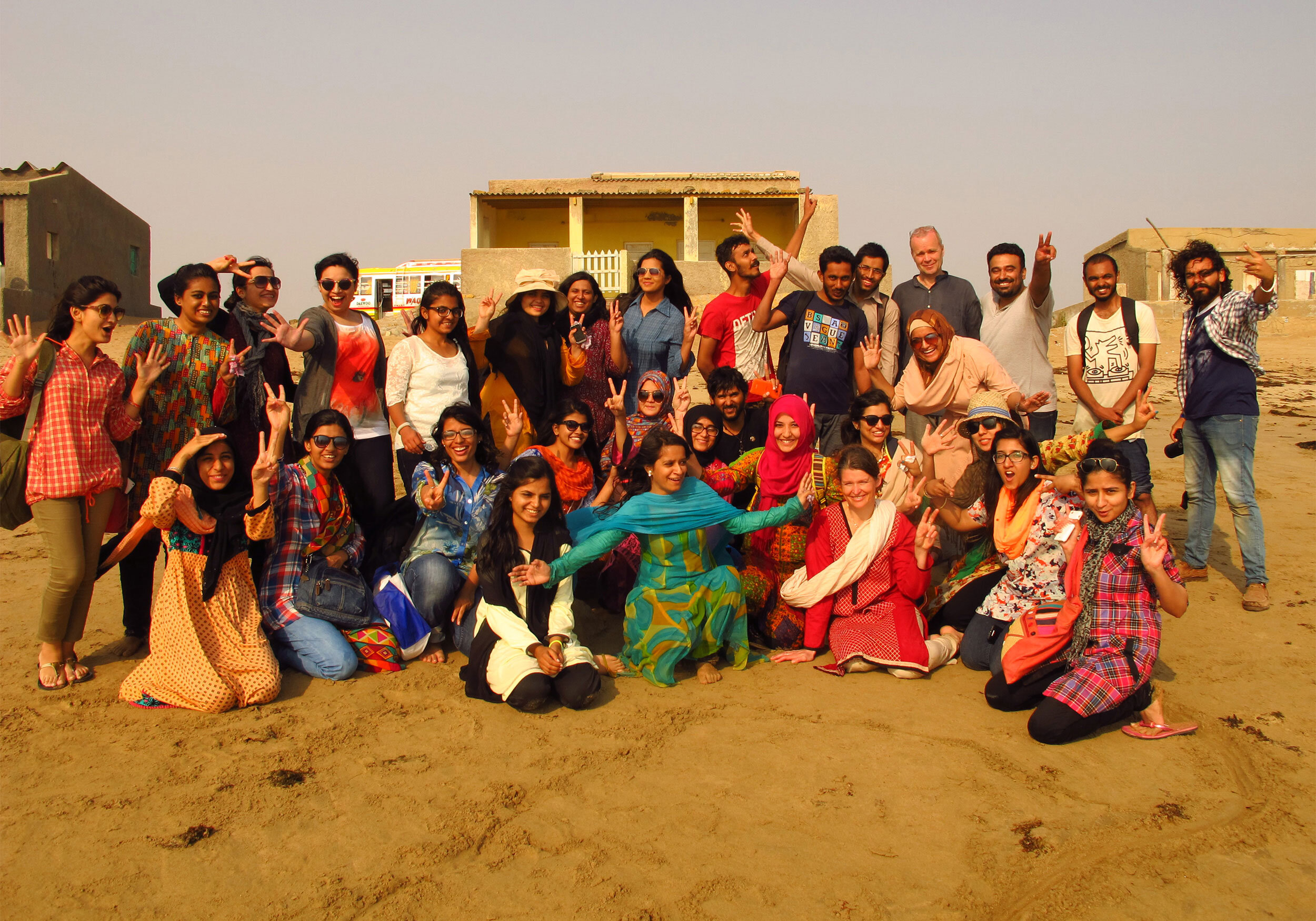
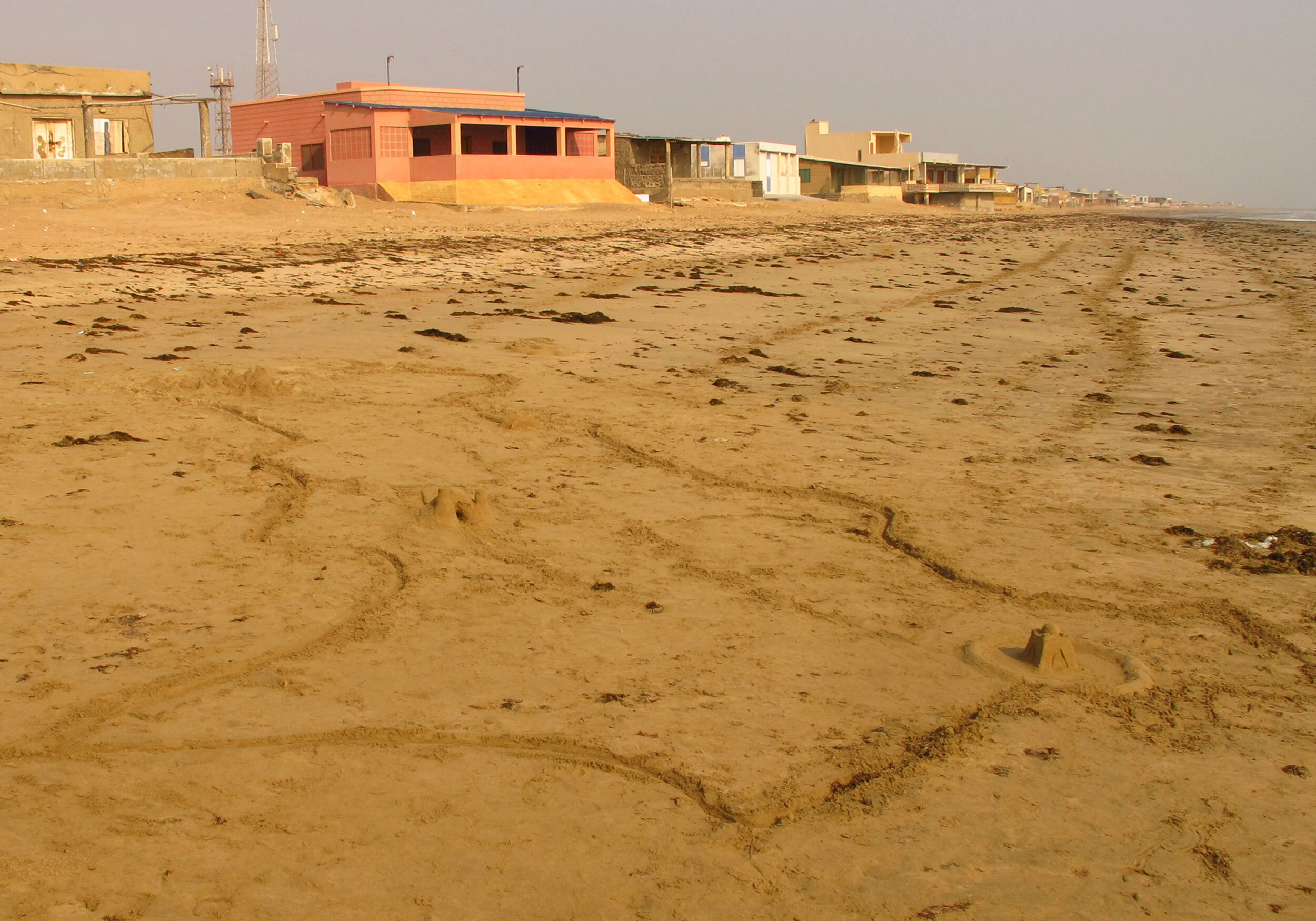
In March 2015 a workshop at the University of Karachi (Department of Visual Studies, University of Karachi) was held. The tutors of the workshop were Taqi Shaneen (Pakistani visual artist), Rabeea Areef (Pakistani designer), Annelys de Vet (Dutch designer) and Rudy J. Luijters (Dutch artist). Together with around 30 design and visual art students of the University they researched, developed and designed the first contributions for the subjective atlas. This included a work session at the seaside.
Using maps, inventories, photographs, and drawings, the artists investigated the microcosm of urban and rural lives through an open exploration. To reveal the complex realities, these explorations took us further into the traditions of nationalist rants, fictional propaganda, cultural identity wars either in the name of God, state or tourist-friendly pretentious soft-image, and corporate deceptions.
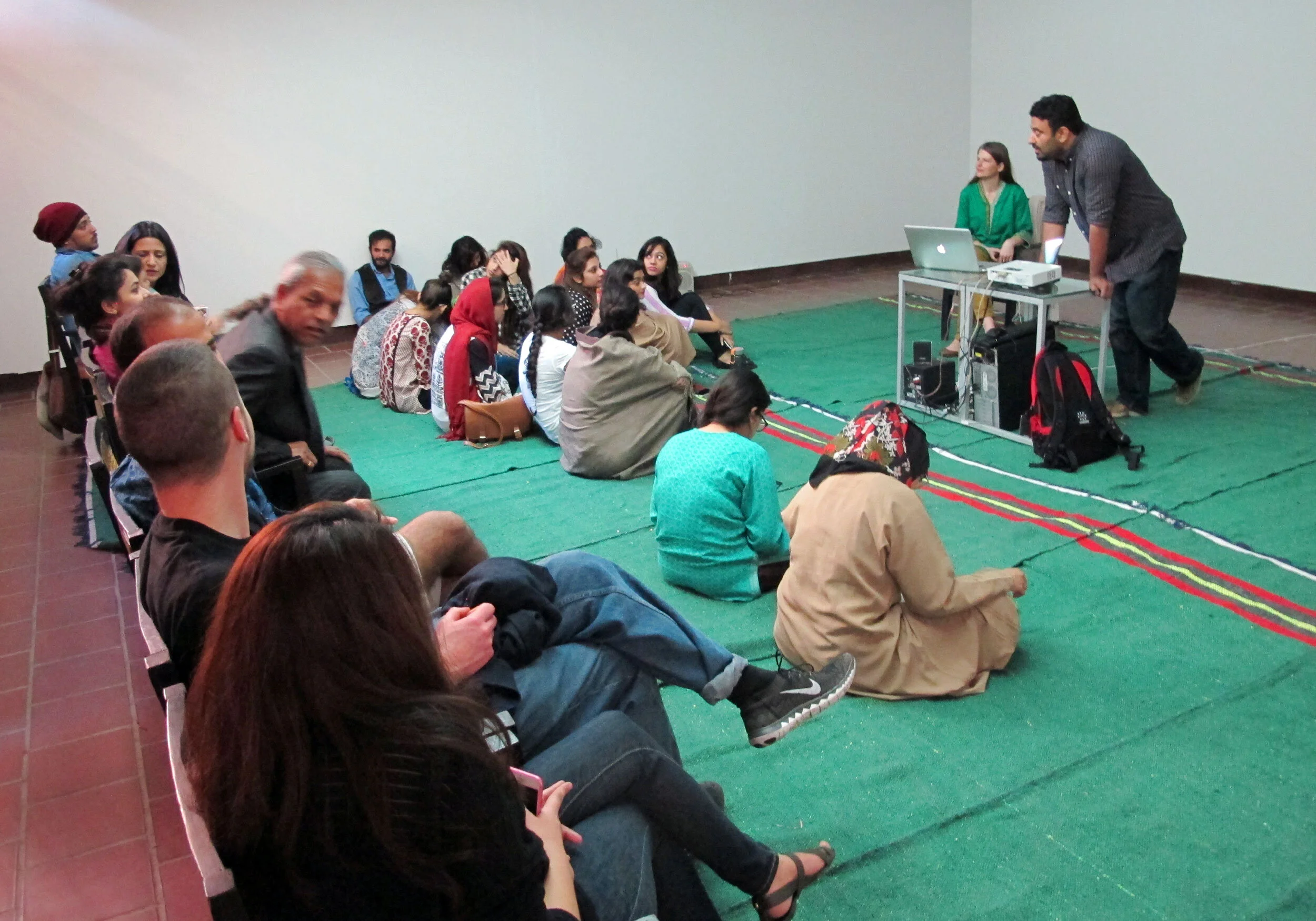
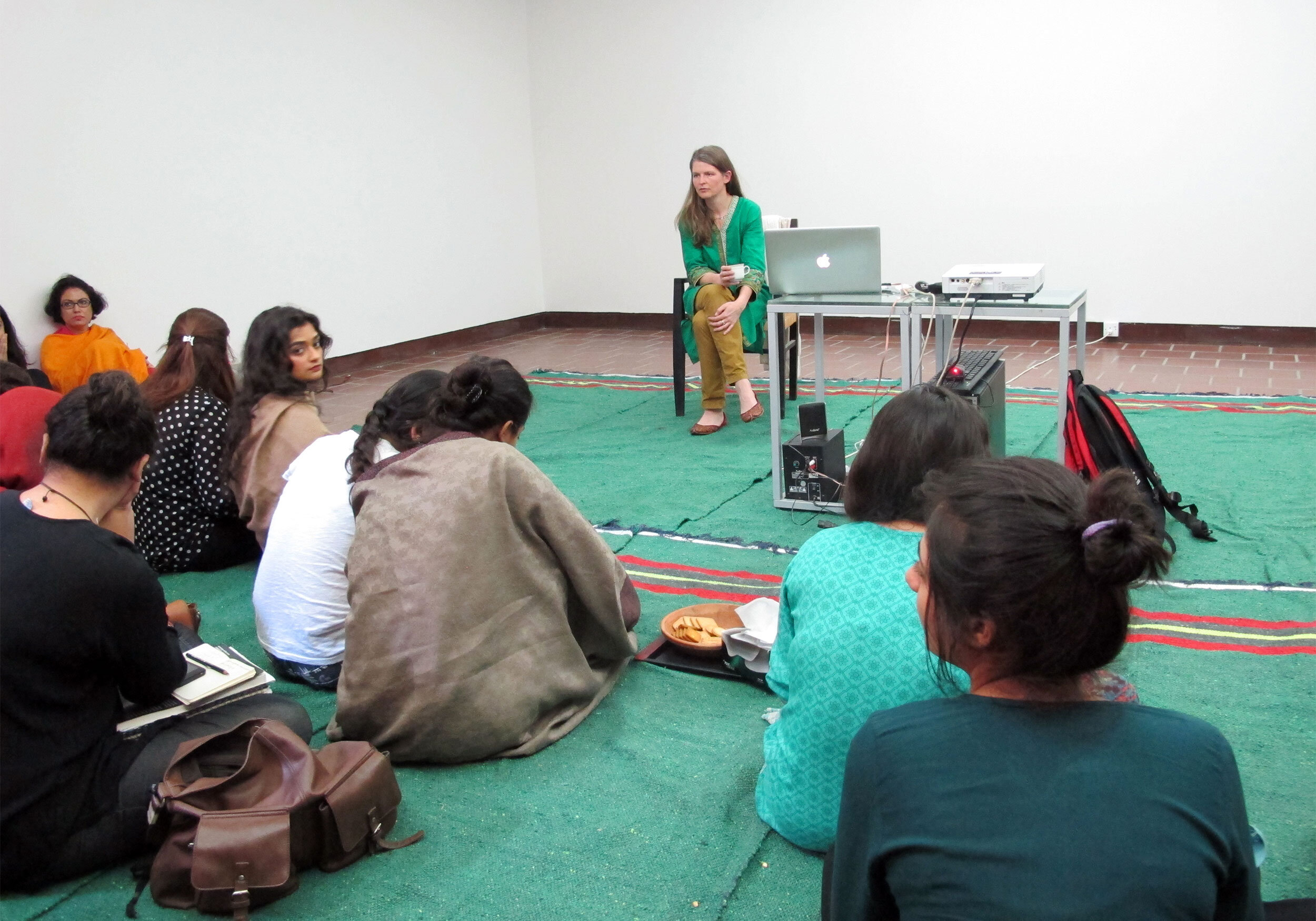

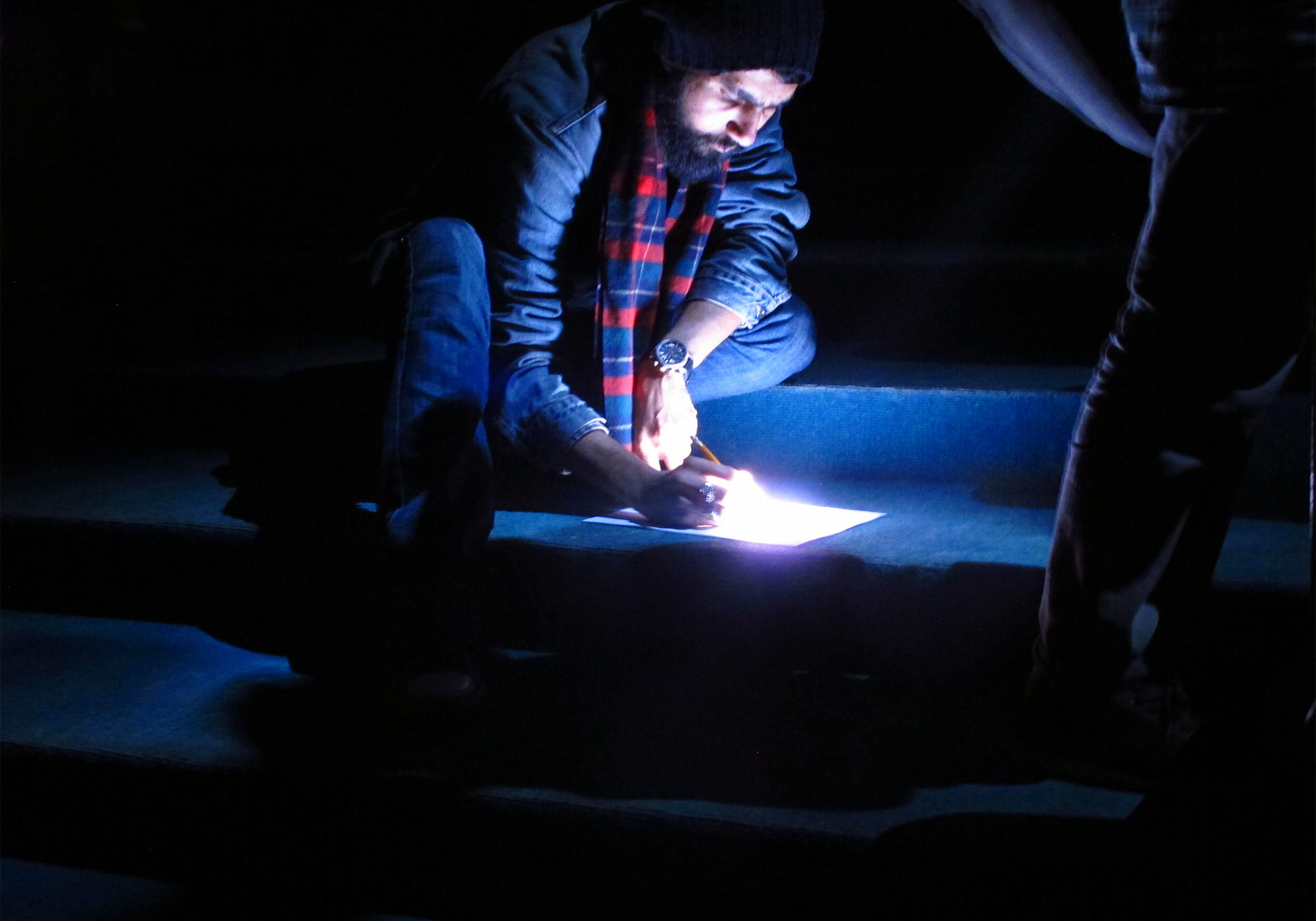

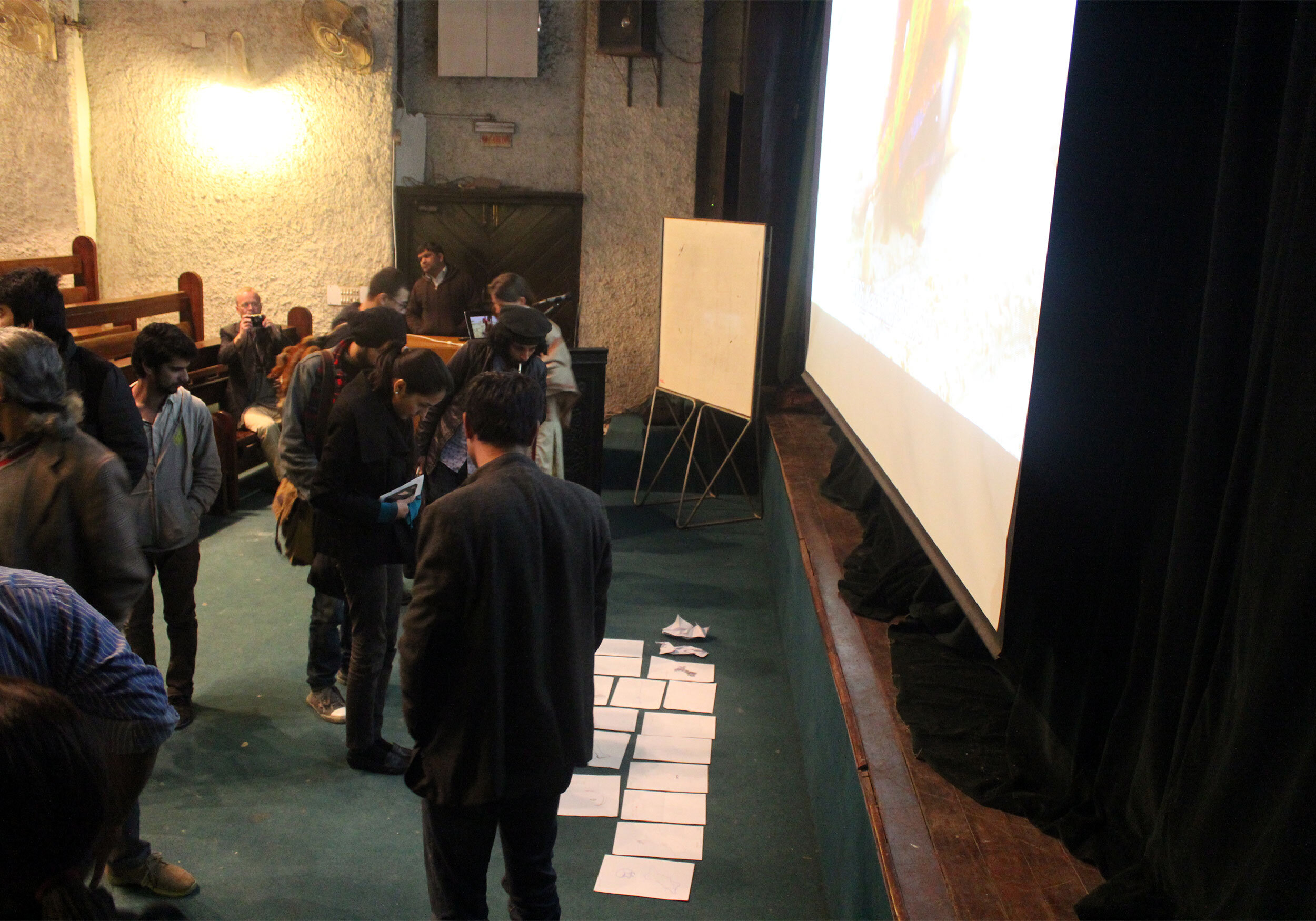

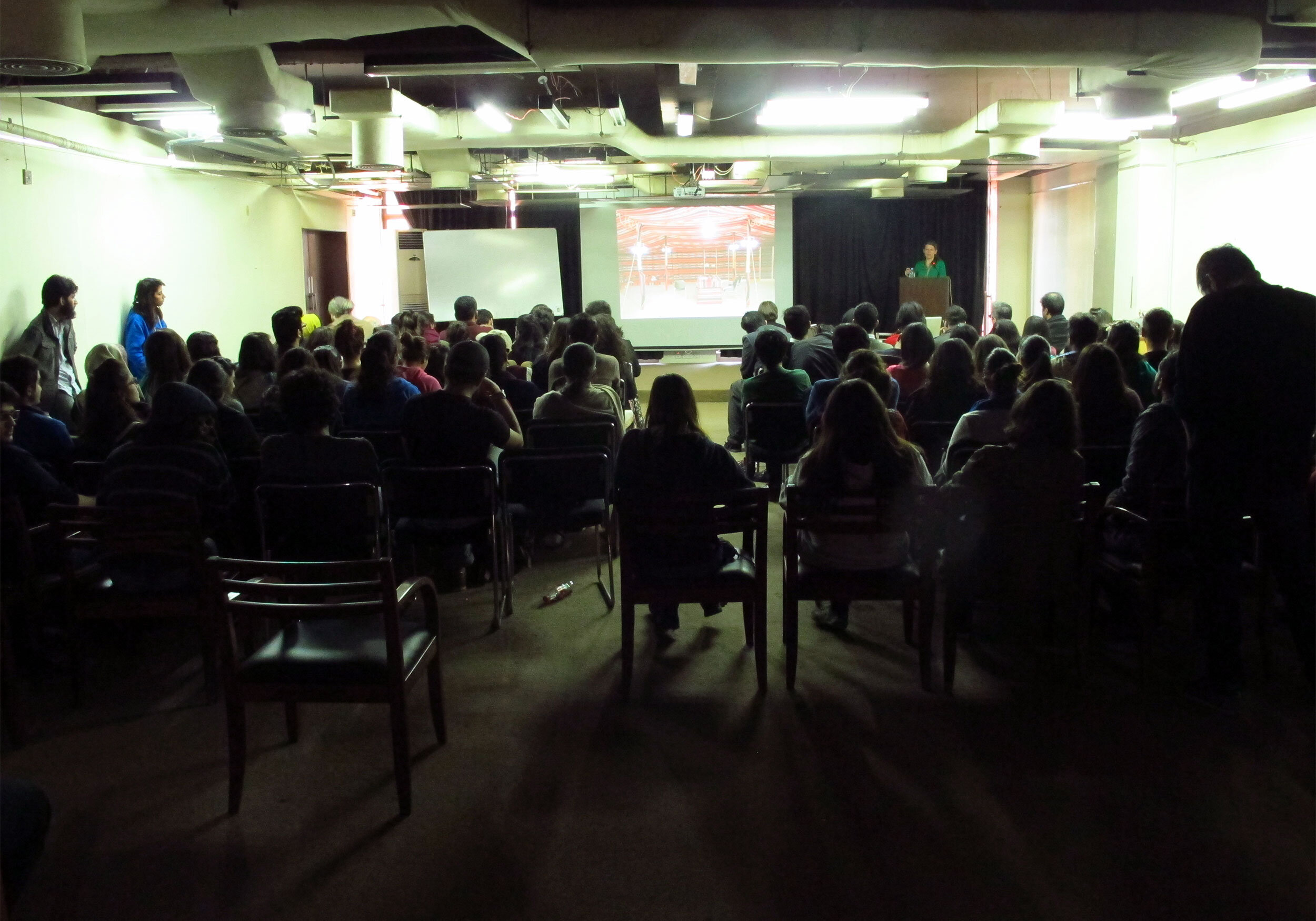
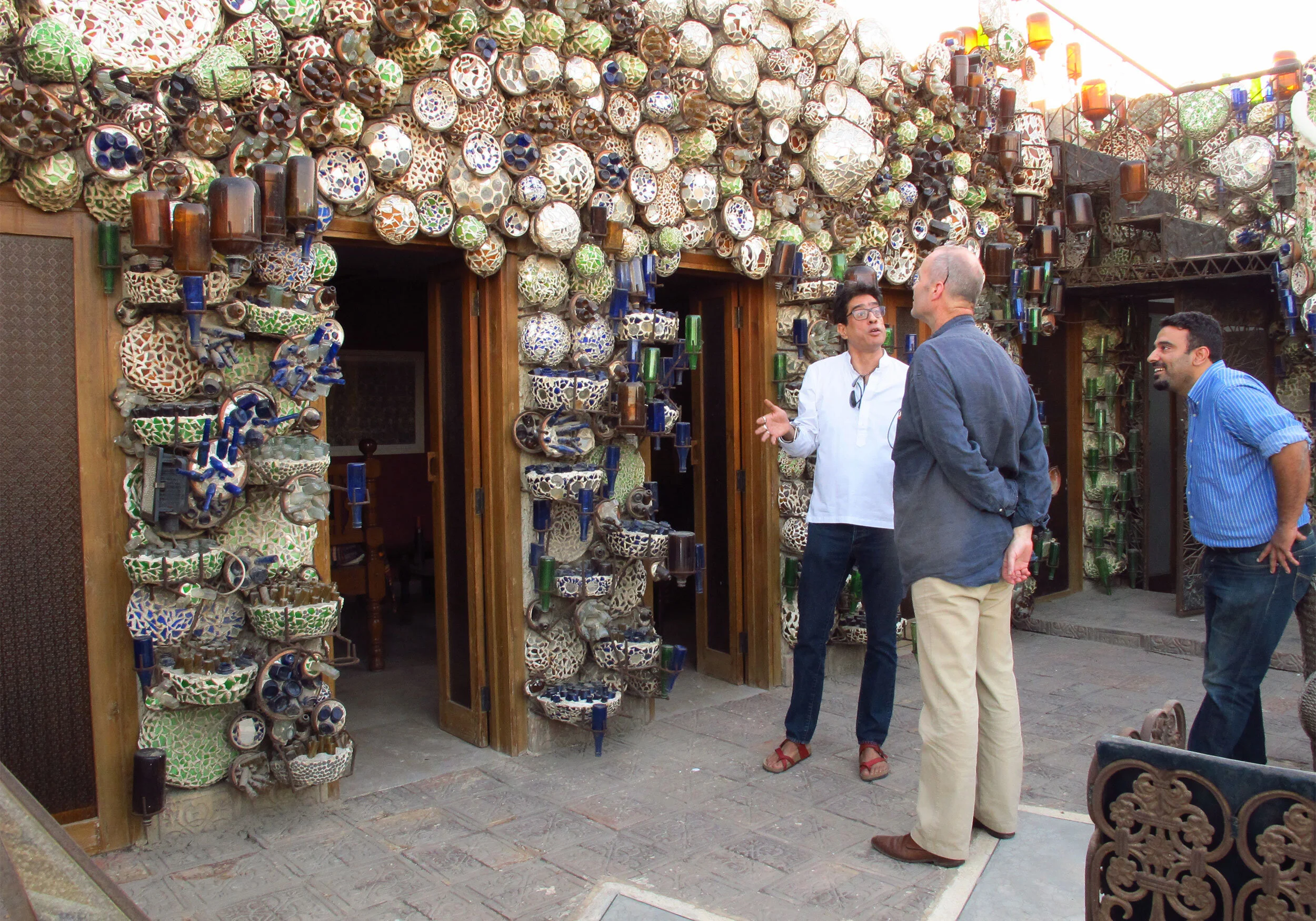
Next to the University of Karachi we have organized presentations and discussions at three other universities: Indus Valley University (Karachi), National Academy of Arts (Lahore) and the Beaconhouse National University of Art and Design (Lahore). The atlas was put in a wider context of design and conflict resolution, and students were invited to submit their idea’s for contributions for the subjective atlas of Pakistan. For a deepening, professional and enriching content of the subjective altas, several of the most renowned Pakistani artists (with different ethncial, religious and social backgrounds) have responded with great enthusiasm on our invitation to include their (new) work in the atlas. During the workshop the editorial team have done studio visits in Karachi and Lahore. Afterwards Taqi Shaheen has visited additional artists, also from other regions.
Testimonials
“This atlas is meant to be a tool for an open dialogue in which creative observers become the most important players to construct parallel perspectives and fresh visions towards conflict resolution and a more peaceful society. As a humanist response to the complacency of power, it makes a modest non-violent attempt to cut through the noise of dangerously oversimplified media narratives and religious hate speech. It does so with an admission that its power to affect anything might be limited, but not ineffectual.”
— Taqi Shaheen, editor
“This isn't a visual representation of the "other side of pakistan" (whatever that is) but more of a simmering on the surface hiding in plain sight the everyday life of pakistan. One that we all together miss out when driving narratives about the country.
What do the wallets and mobiles of karachites look like..what are some of the most common prayers offered at mizaars. How loaded are trucks during harvest season. What sort of people do you find at pedestrian crossings. How do people from each province view the rest of tbe country. These and so many more. This book was a visual treat.”
— Saima, Goodreads (October, 2020)
“Journalist Mahim Maher, known in newsrooms for her own interest in cartography, strongly believes that the lack of public access to mapping is a disservice to the community. For her, the lack of access has meant that we don't know how Karachi is changing. "When I look at maps and Karachi's infrastructure, there is no visibility," she added.”
— MAPS — GUIDING AND MISGUIDING PEOPLE. The Express Tribune (March 1st, 2020)
Acknowledgements
Editor-in-chief: Annelys de Vet Curator: Taqi Shaheen Editing & executive production: Taqi Shaheen & Annelys de Vet Introduction : Kamila Shamsie Graphic design : Taqi Shaheen, Annelys de Vet, Noortje van Eekelen in collaboration with all the contributors Acknowledgments : Rudy J. Luijters, Samar Raza, Durriya Kazi, Rabeea Arif, School of Visual Arts and Design (SVAD) at BNU - Lahore, Department
Contributors: Adeela Suleman, Ahsan Jamal, Ahmad Ali Manganhar, Aman Asif, Ambreen Shahwani, Aleem Dad Khan, Alyna Farooqui, Anousha Tehseen, Arif Mahmood, Areesha Channah, Arsalan Hanif, Areej Fatima, Ayaz Jokhio, Chandan Baloch, Durriya Kazi, Danial Shah, Furqan Haider Bhatti, Faran Haider, Feica, Farrukh Afaq, Farooq Soomro, Haroon Khan Wazir, Hafsa Macdi, Hazique Zaheer, Ibrahim Yahya, Ikram Mengal, Imran Channa, Khadija Raza, Khadim Ali, Madiha Sikander, Maham Bosan, Mahwish Chishti, Malcolm Hutcheson, Mir Sultan, Monazza Fatima Naqvi, Muhammad Hassan Miraj, Muddaser Farooq, Murtaza Ali, Naila Mahmood, Naiza Khan, Nameera Ahmed, Nasim Ahmad, Nimra Saleem, Omar Wasim, Onaissa Rizwani, Qasim Naeem, Rabeya Jalil, Rasheed Araeen, Rashid Rana, Rida Rohail, Rawaz Hammas, Raza Taj, Risham Syed, RM Naeem, Romano Karim Yusuf, Roohi Ahmed, Ruhi Nasir, Saadia Abdul Rasheed, Sabin Agha, Saira Zia, Sana Ahmed Khan, Sana Arjumand Sana Khan Mamdot, Sana Zarrar, Samar Raza, Sarah Javed, Sara Khan, Sarah Hashmi, Shafaq Afzal, Shehryar Ali, Shumyle Haider, Sohail Zuberi, Tahir Kayani, Tapu Javeri, Uroos Nazim, Usman Saeed, Wajid Ali Dharkiwala, Zaheer Chaudhry, Zainab Marvi, Zainab Nasir, Zulfikar Ali Bhutto
Institutional partners: Department of Visual Studies, University of Karachi
With the generous support from: Creative Industries Fund NL, Hivos (NL)