
04-05.10 ’25
WIELS Art Book Fair
🕐 Saturday 4 — Sunday 5 October 2025, 11am - 6pm
📍WIELS, Avenue Van Volxemlaan 354, 1190, Brussels 🇧🇪
🔗 https://wiels.org
Join us at the book fair!
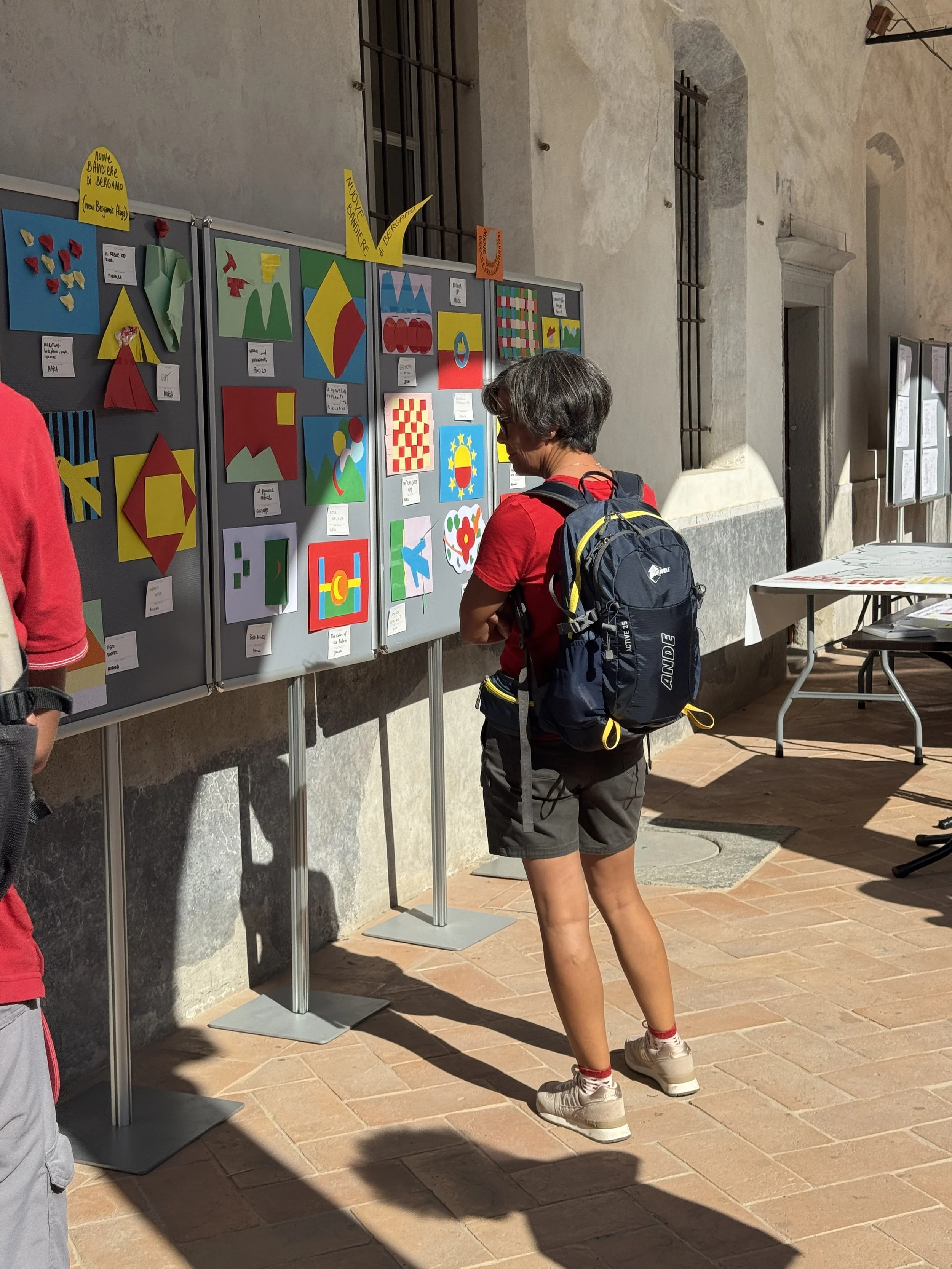
Join us in a vibrant public setting for collaboration, conversation, and the joy of sharing our work. Through dialogue and exchange, we’ll present our methods, showcase upcoming projects, and connect with curious, engaged, and creative people, with our books available for sale.
Over the course of a weekend, more than 60 independent art publishers will take over WIELS to present their books, zines, artist books, catalogues, and limited editions.
Free and open to the public, this annual gathering allows book lovers, collectors, art enthusiasts, and professionals to discover a wide variety of printed works and engage with both emerging and established independent publishers through a programme of talks, book launches, and book signings.
Impressions
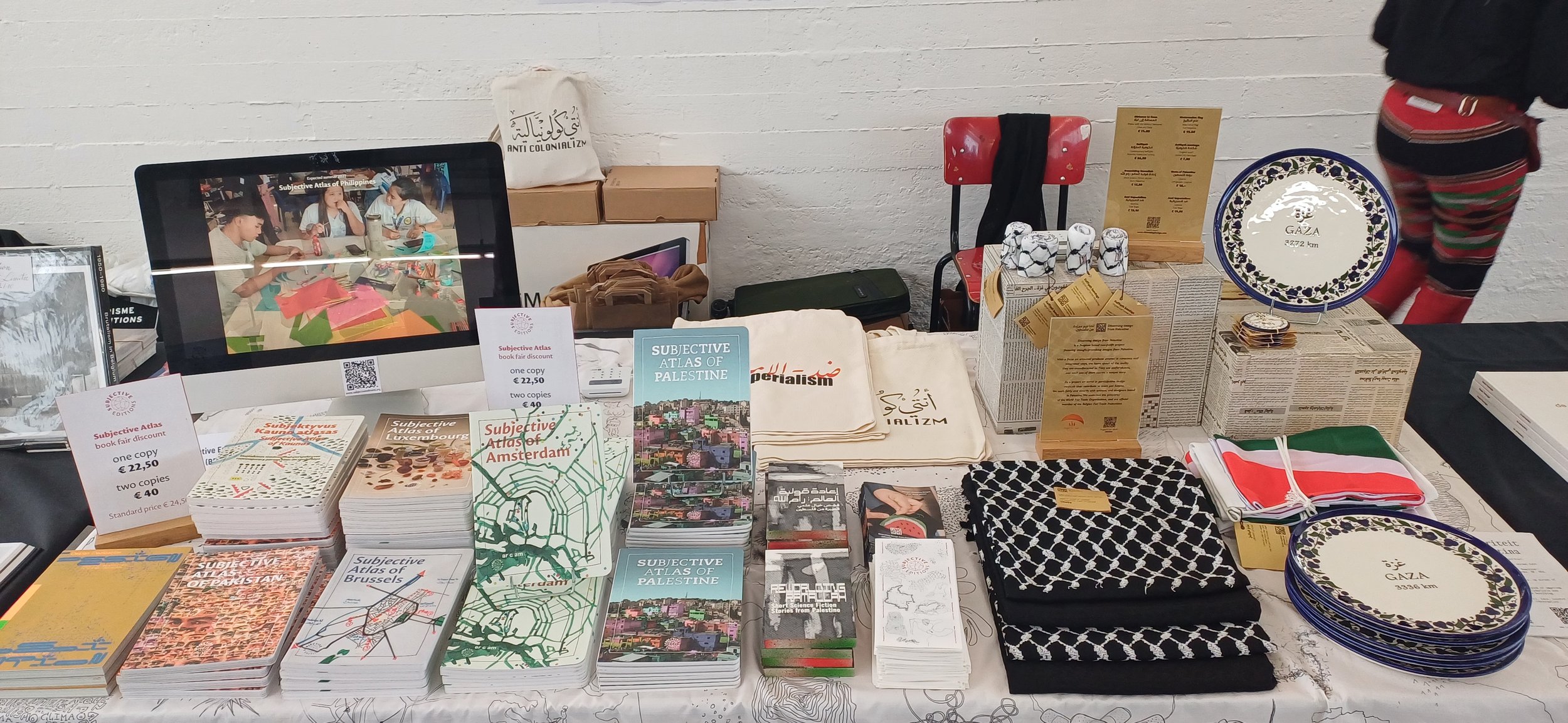
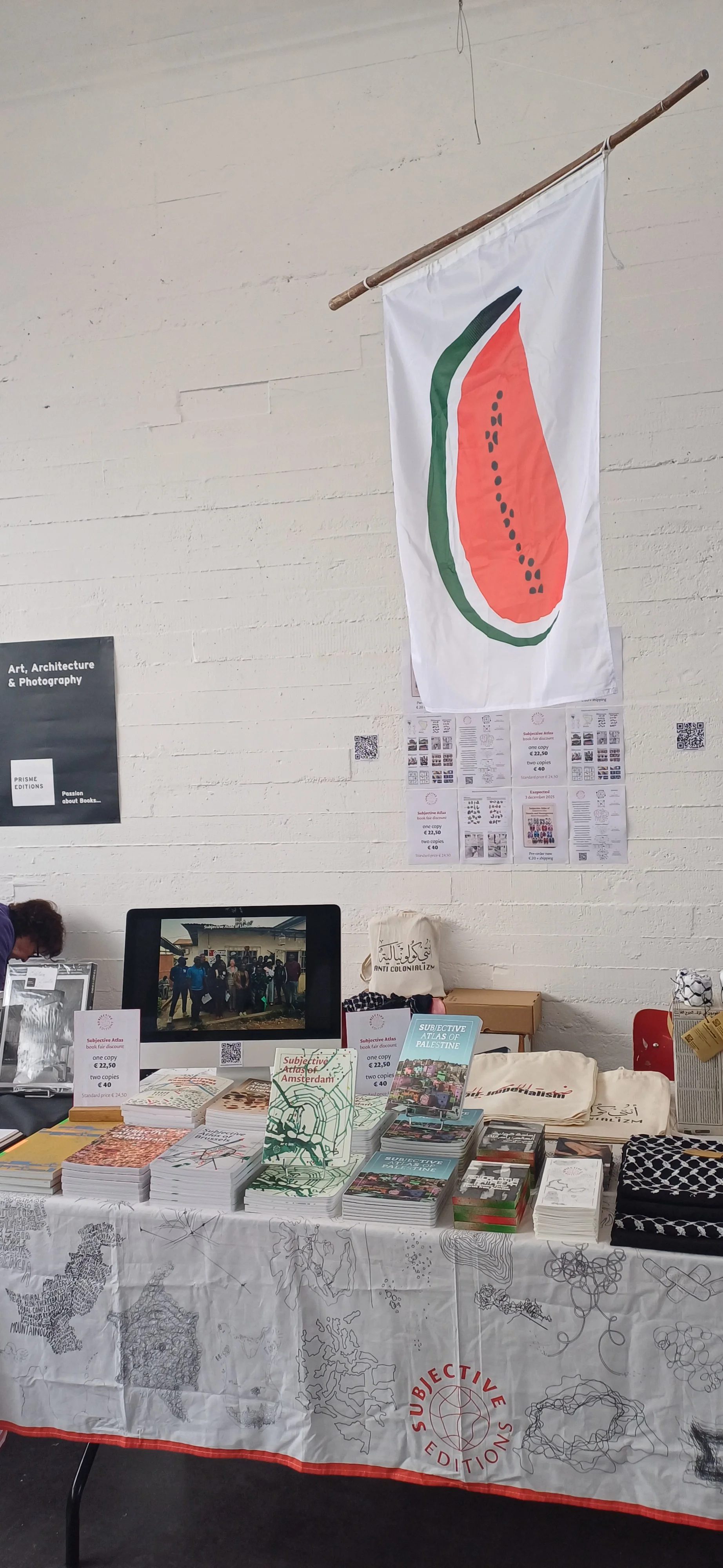
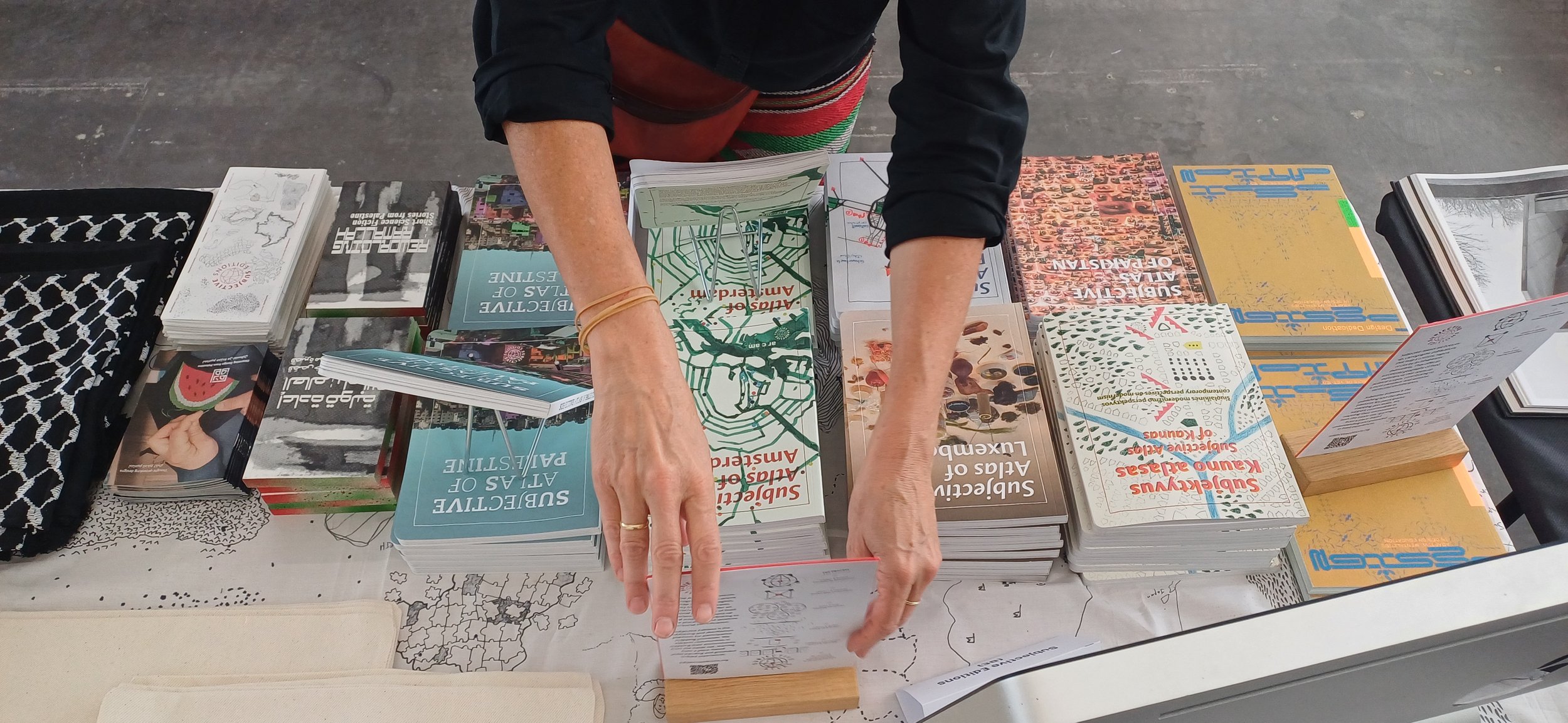
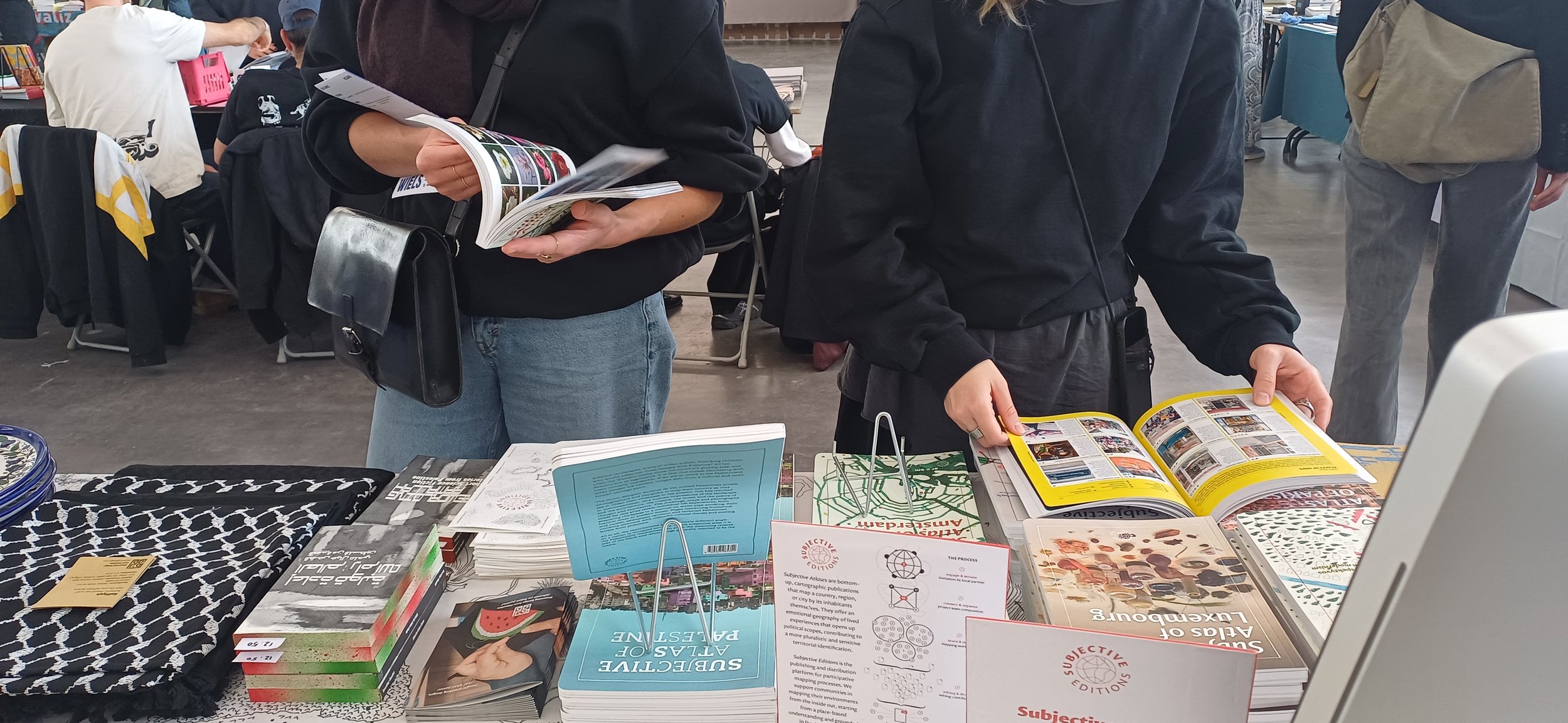
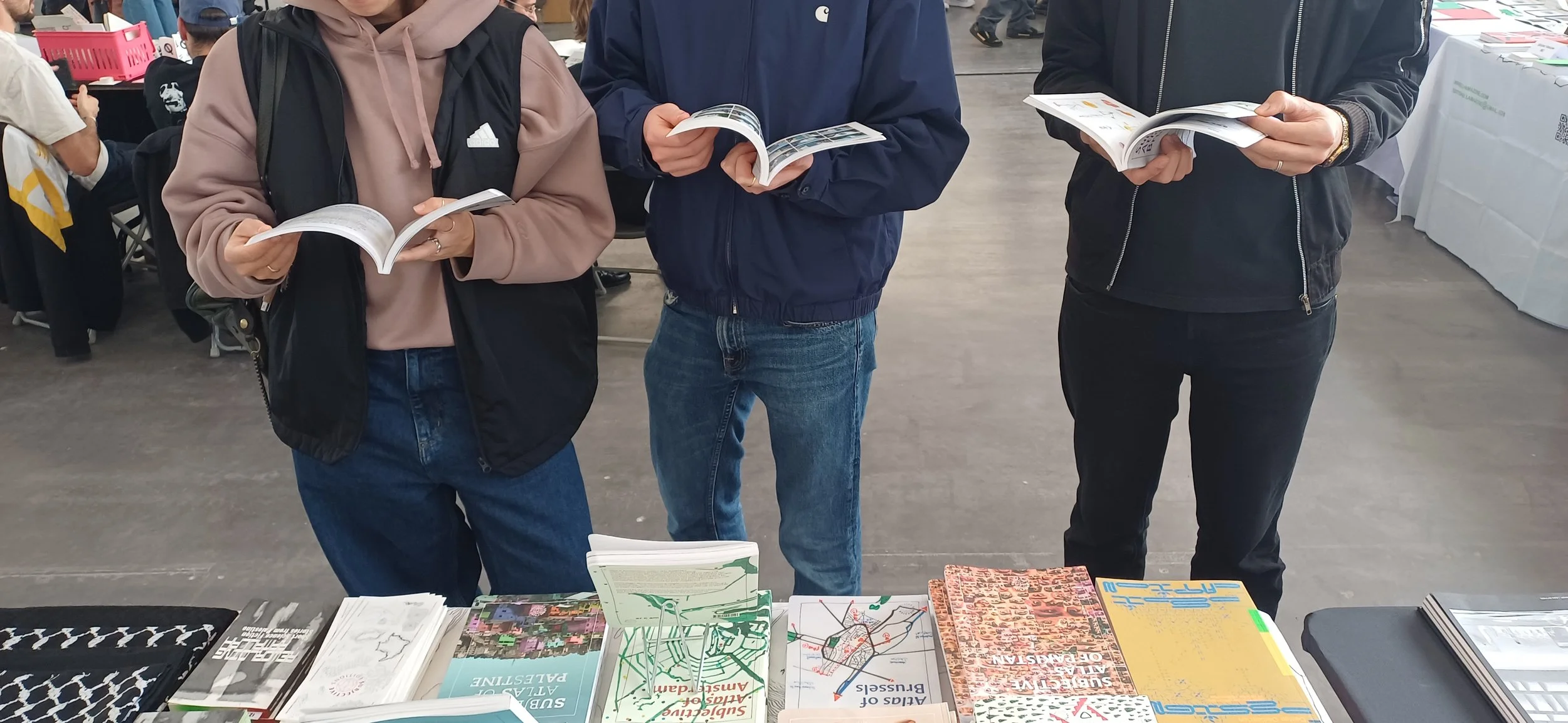
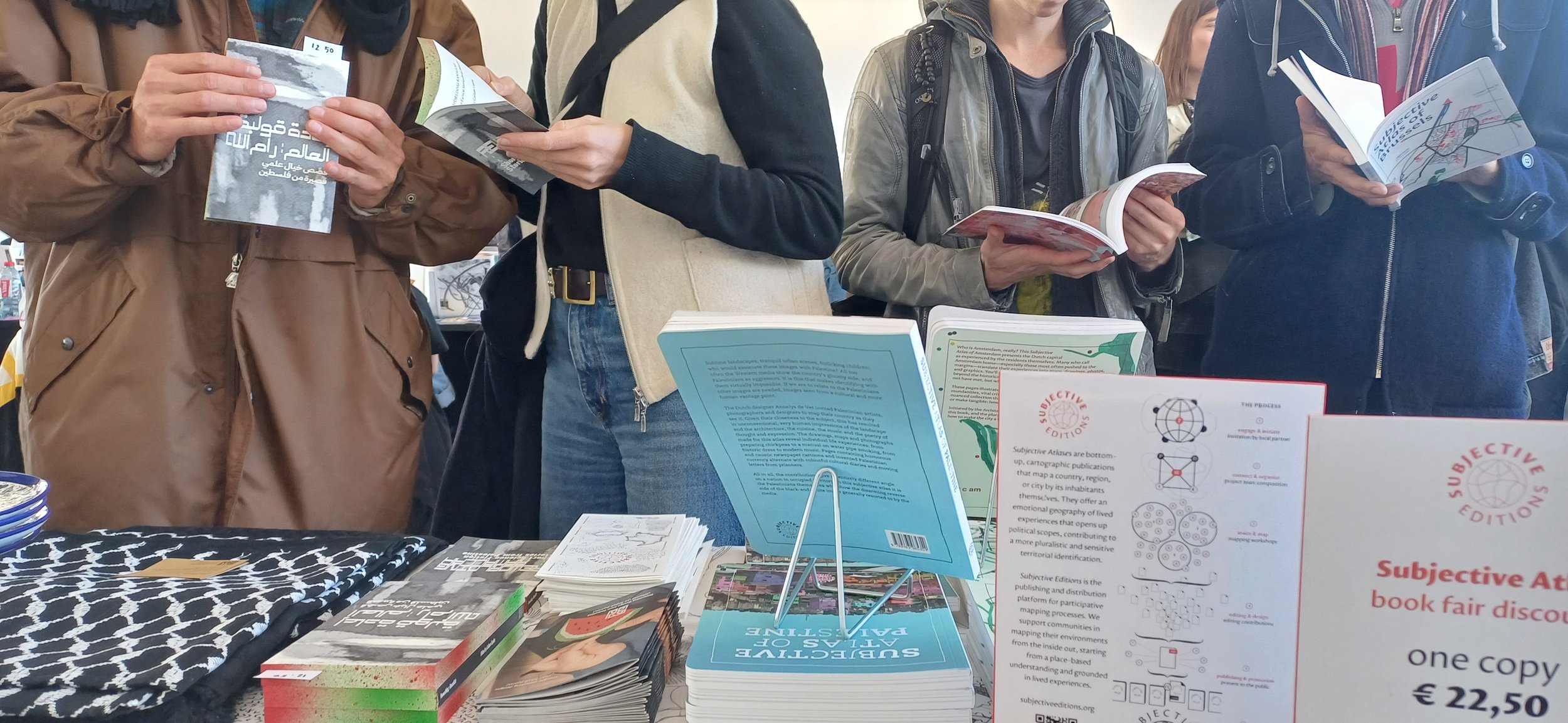
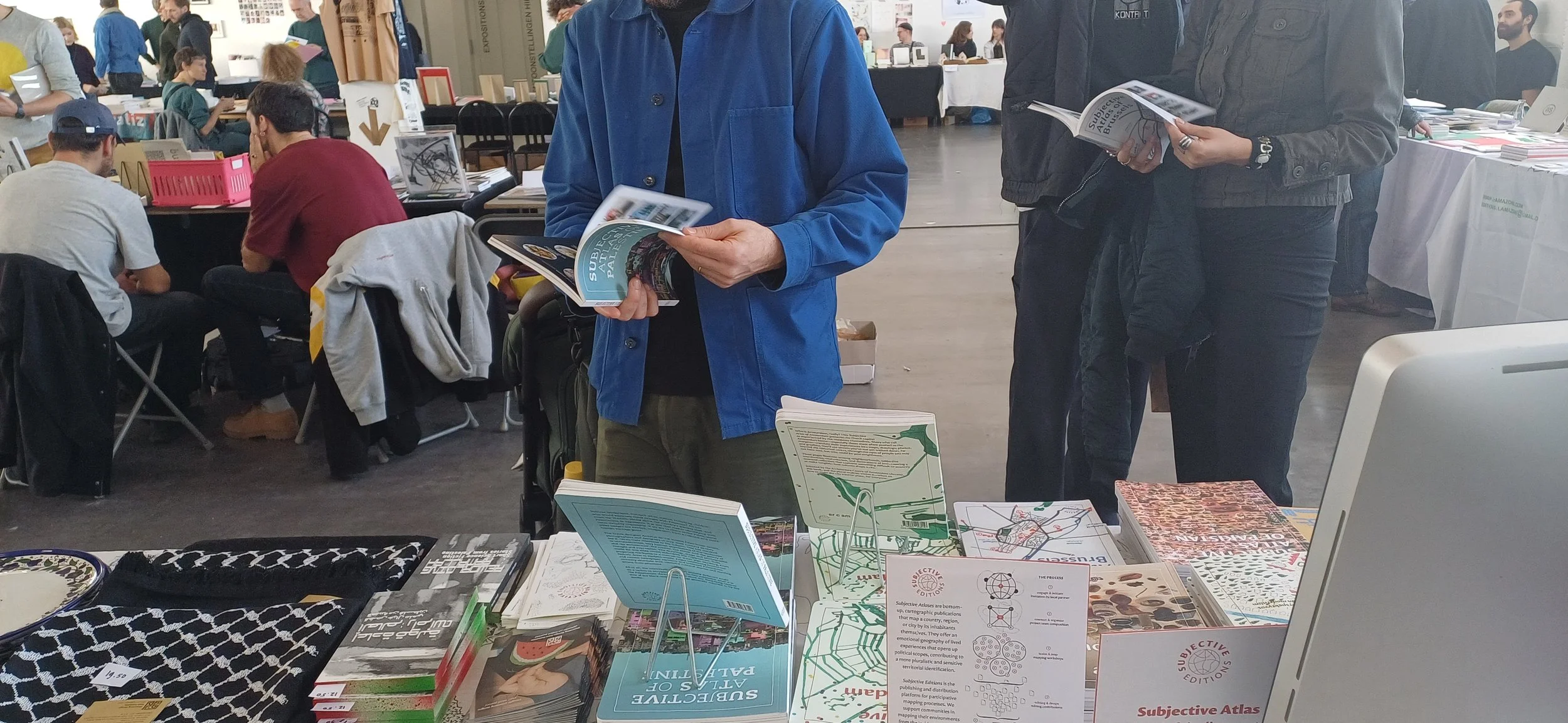
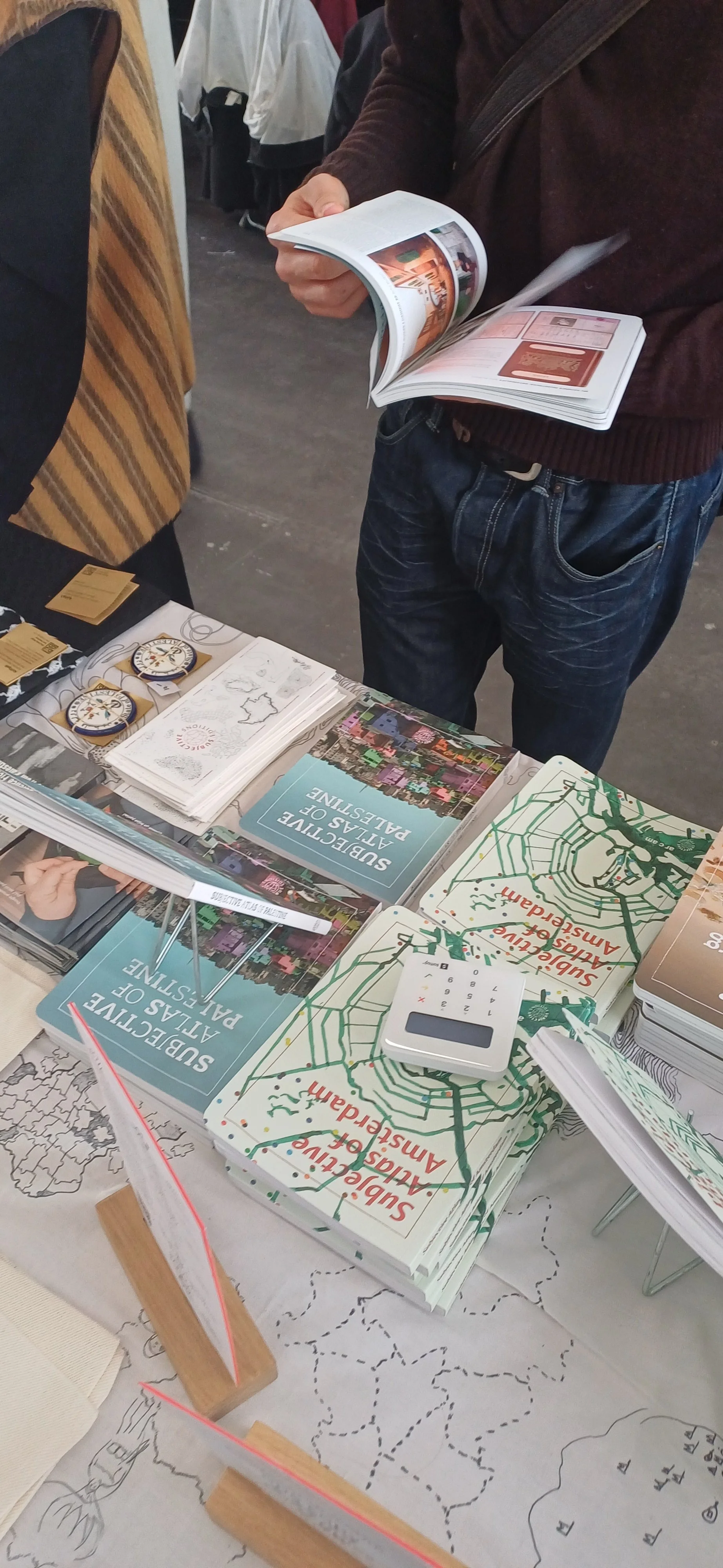
If you can’t join, buy here
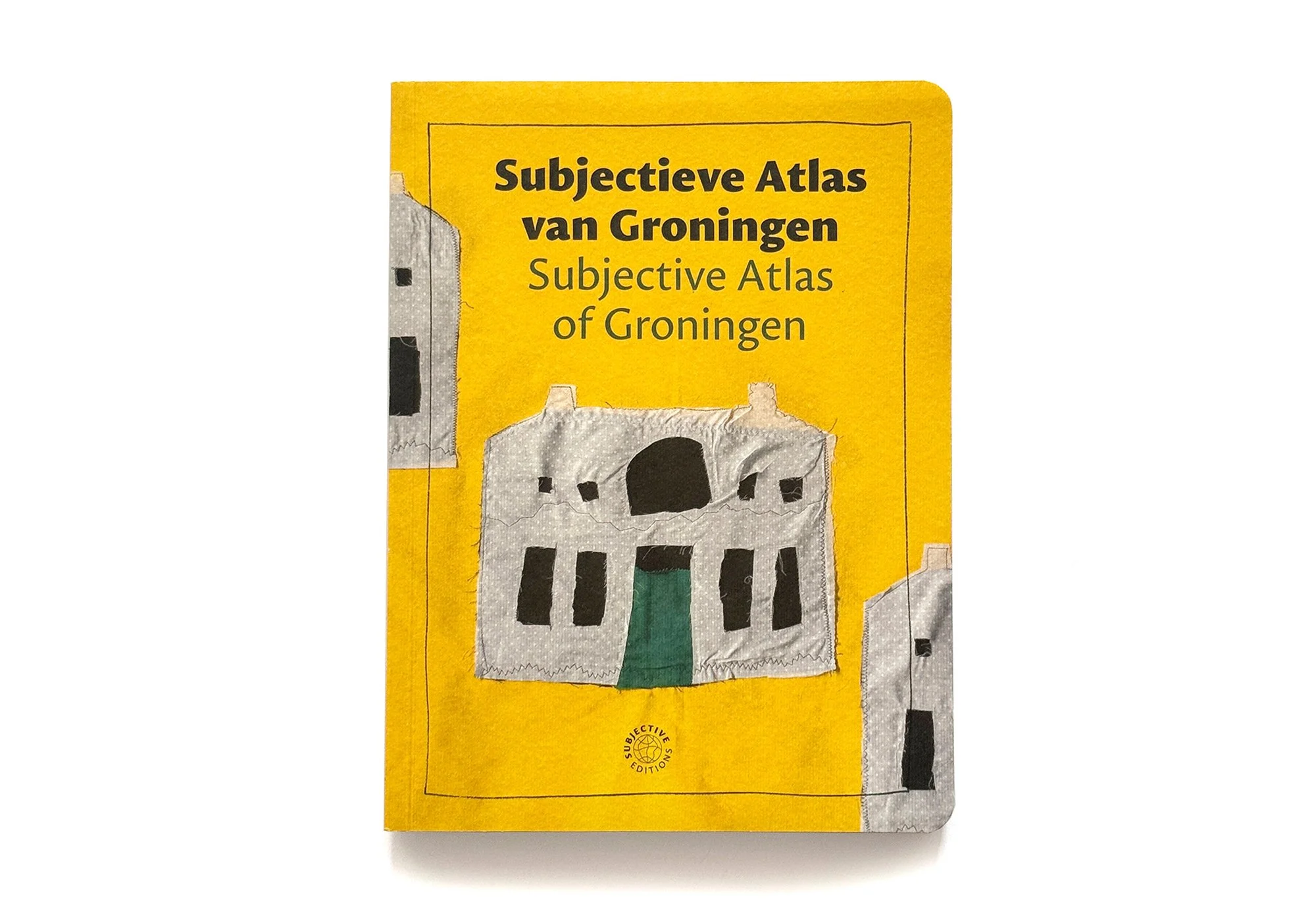
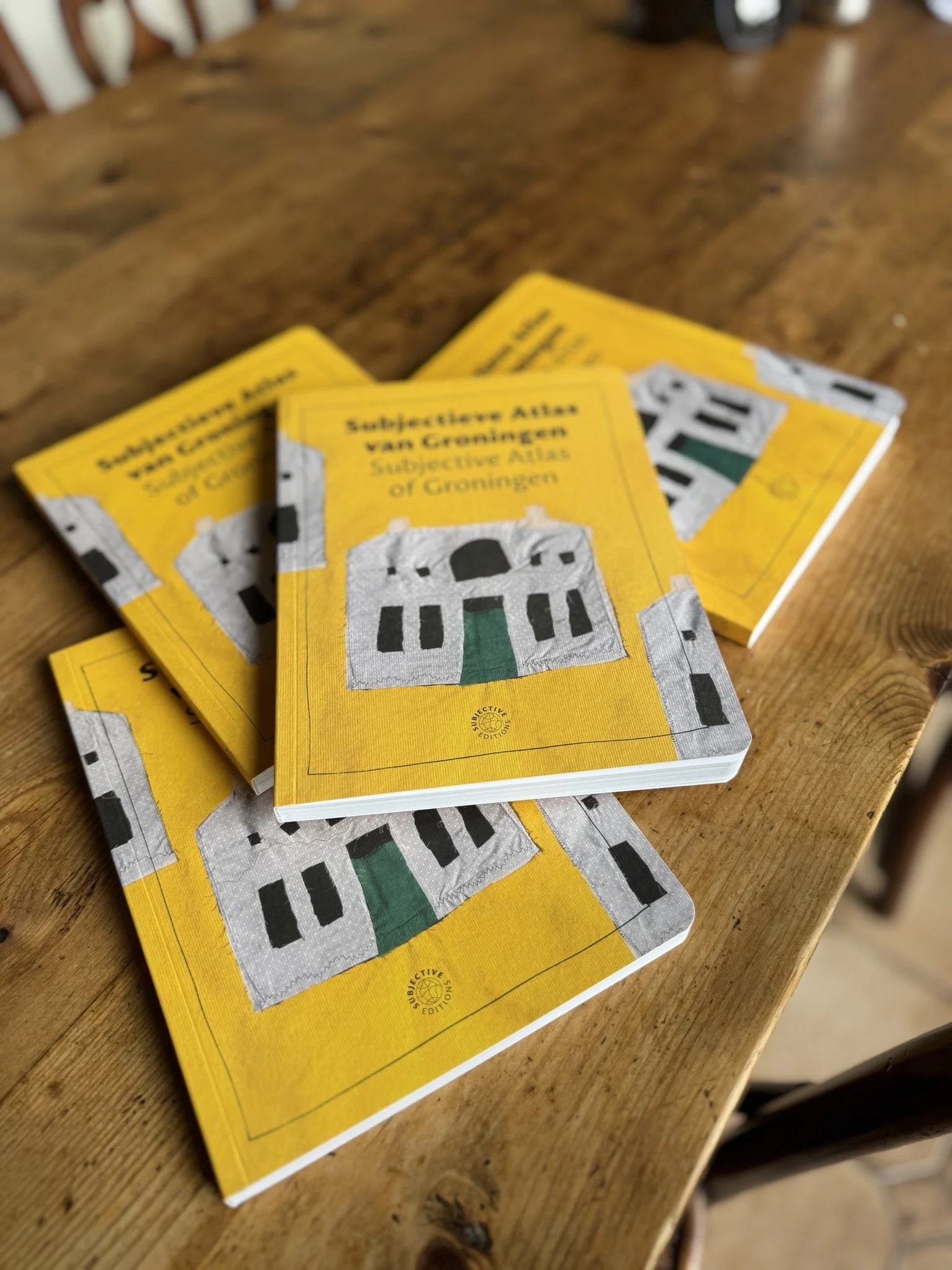
ARTisBOOK & Subjective Editions, 2026
Dutch-English, 192 full-colour pages, 16.5 x 22 cm
—
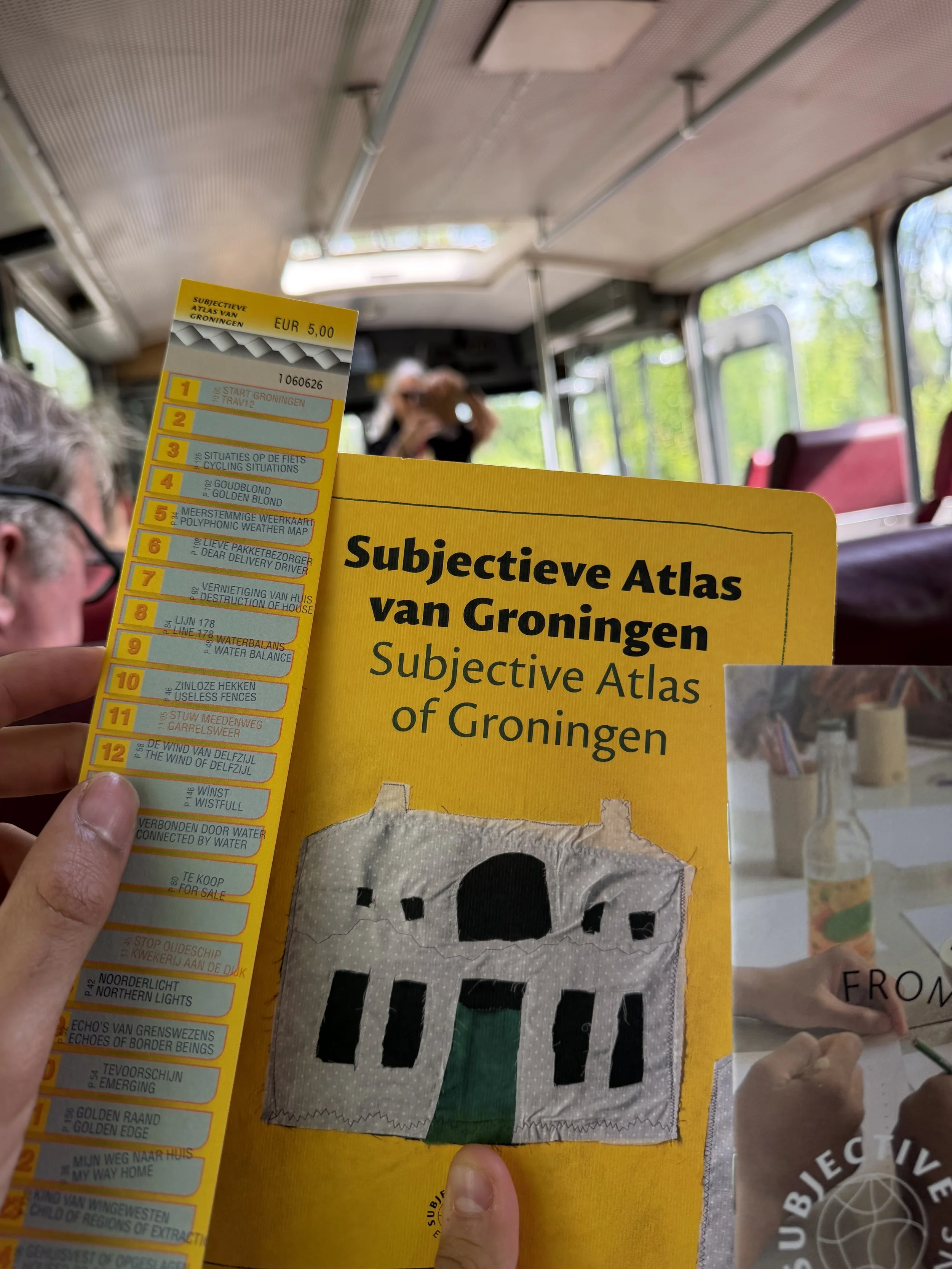
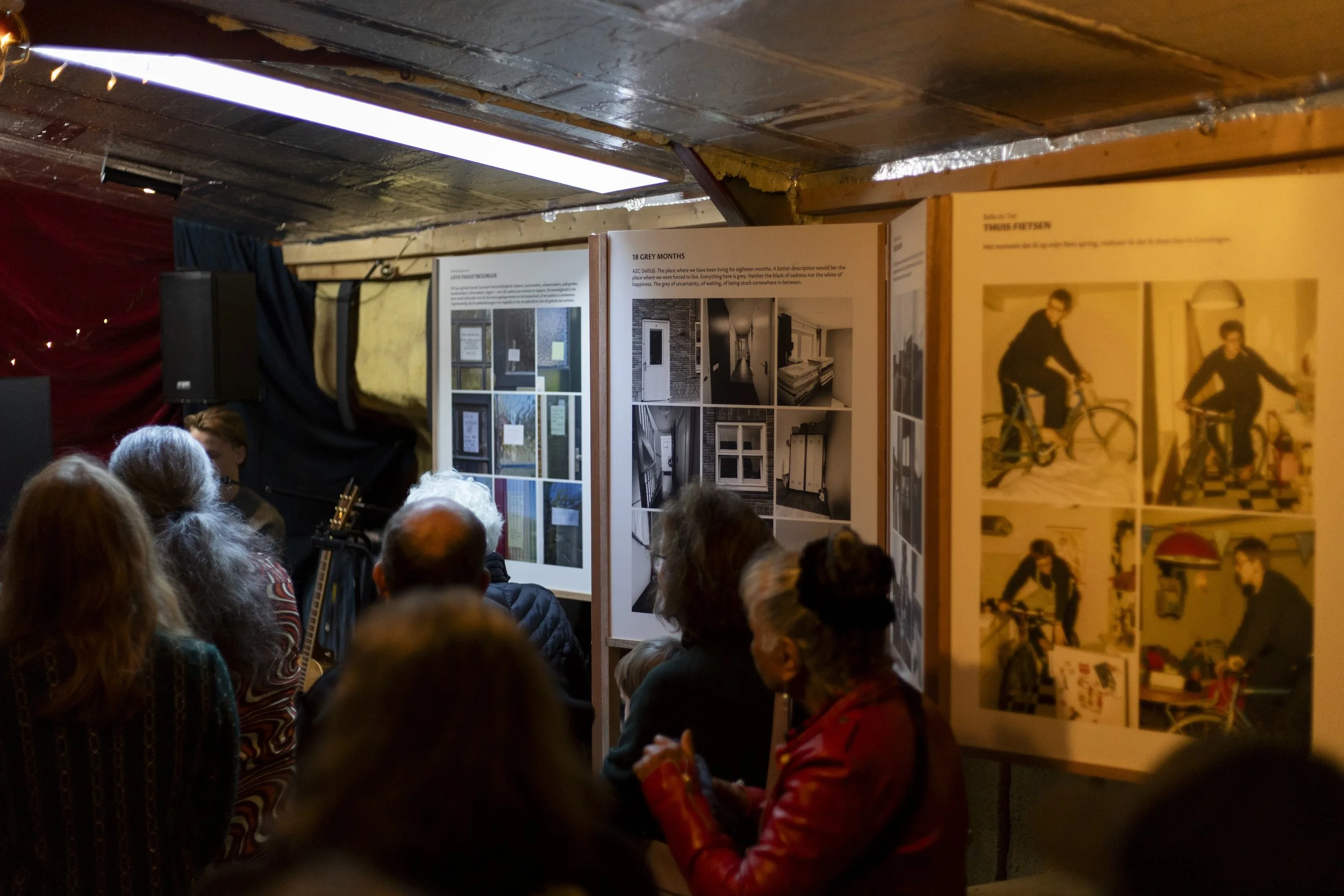
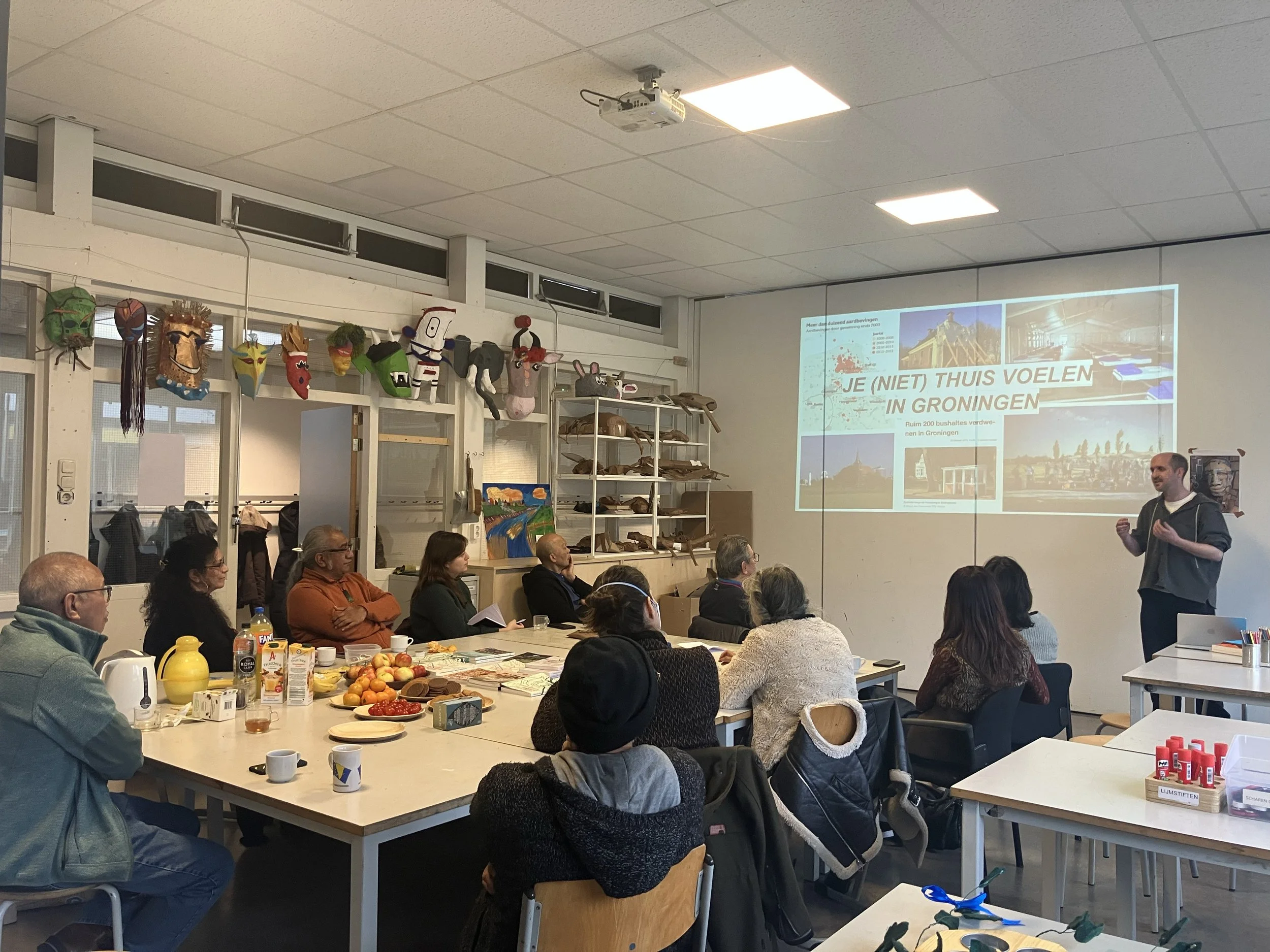
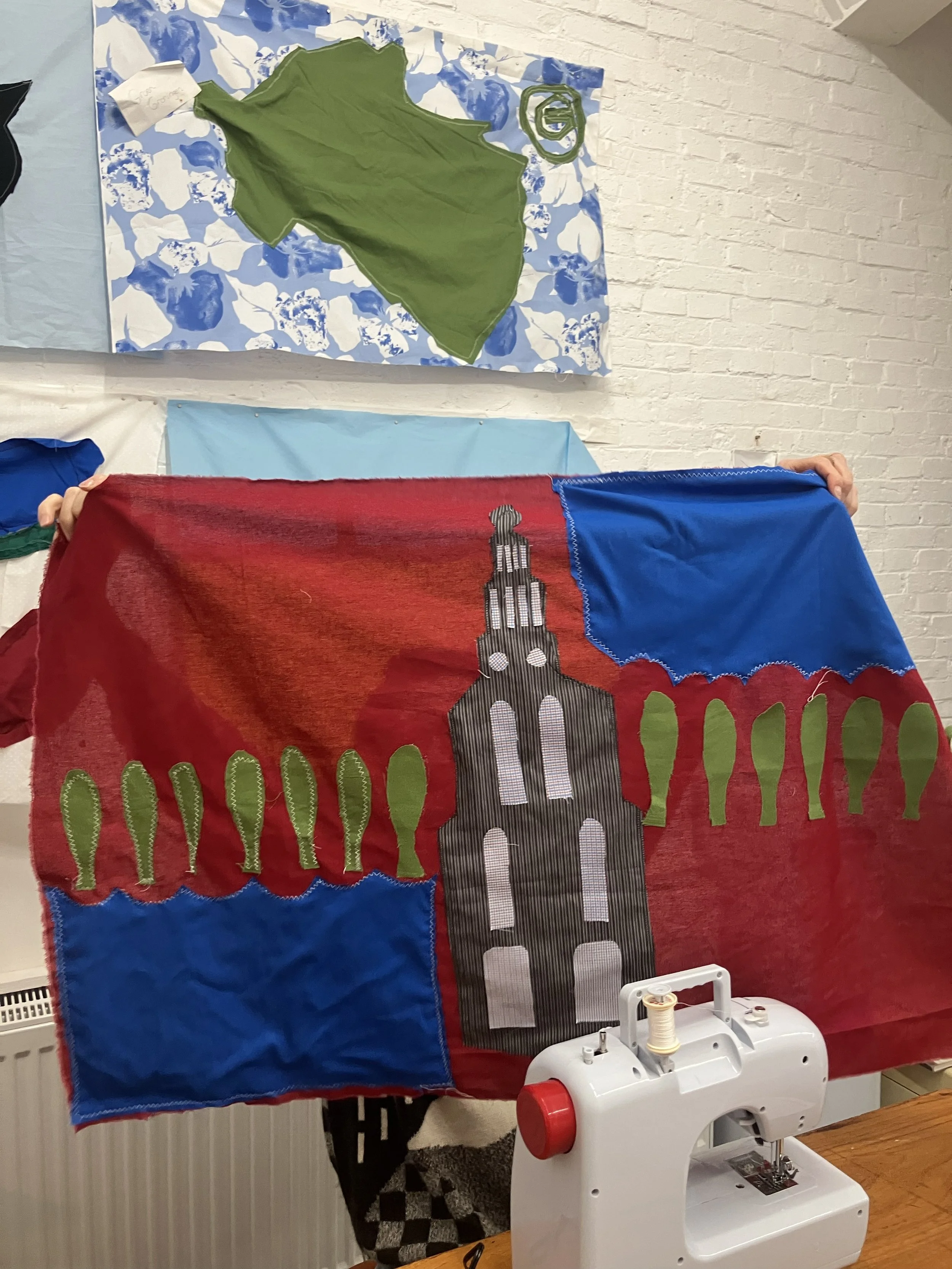
The Subjective Atlas of Groningen brings together a diverse group of Groningers mapping the province and what it means to be “at home,” in order to share and make visible the personal, but often invisible, experiences of various resident groups in Groningen.
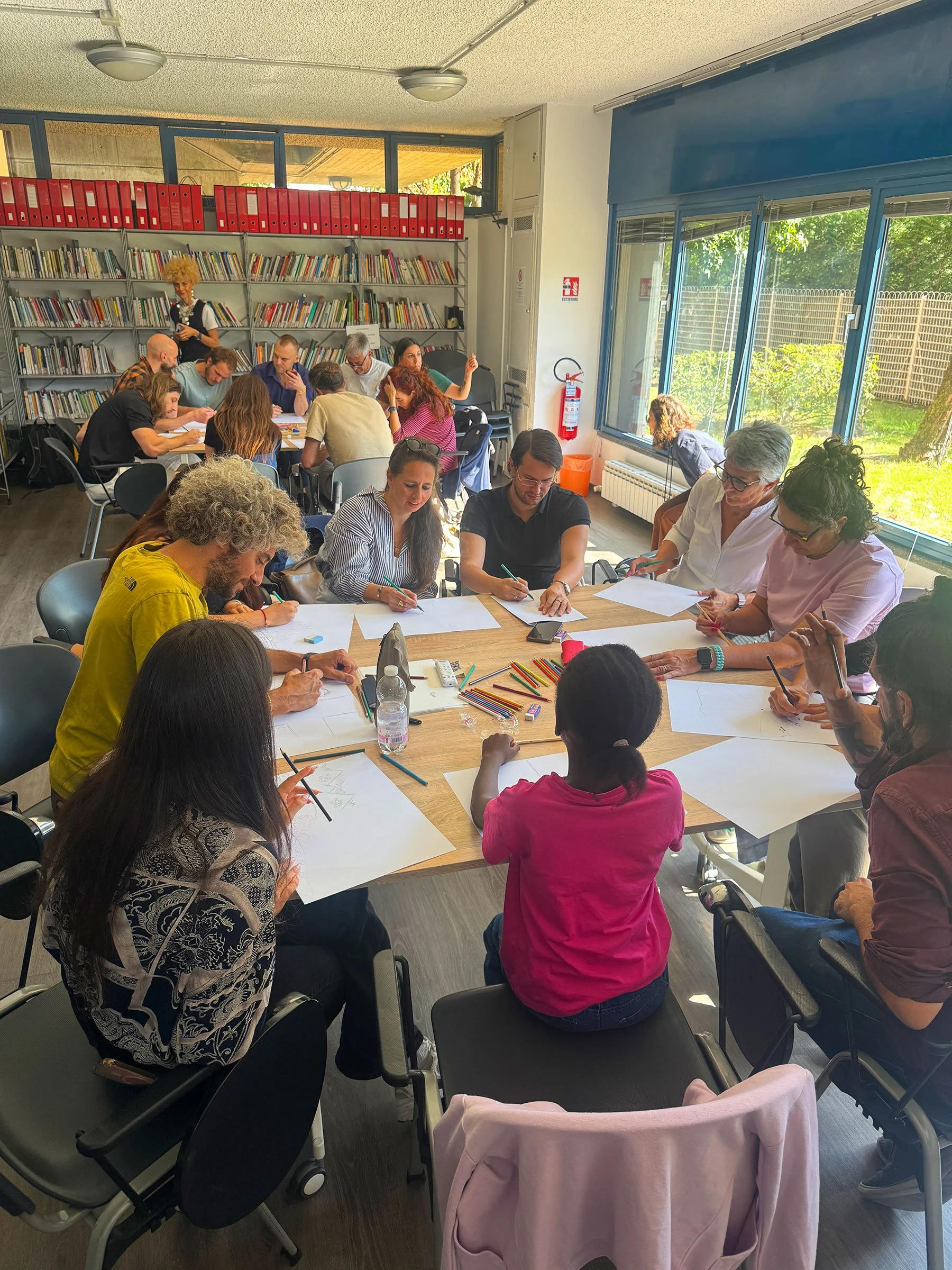
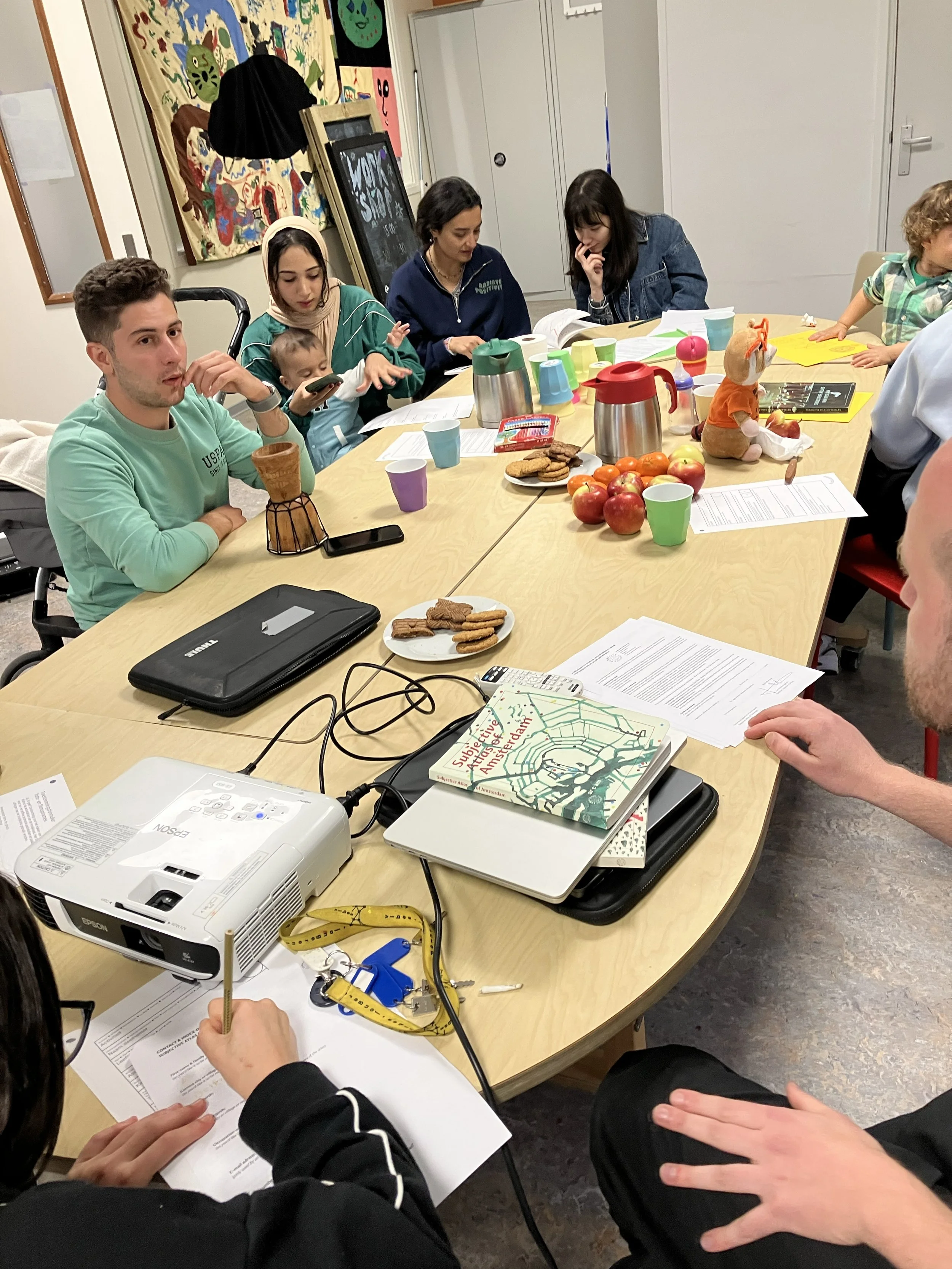
Created through participatory workshops and public activities—including exhibitions, events, and participatory sessions across the province—the project invites local communities to share their stories, becoming visible both physically and online. In seven workshops organized by the partner organizations, approximately 80 participants explored their vision of “being at home” in Groningen. Through creative sessions, they reflected on personal themes and developed visual contributions, fostering interaction and providing space for diverse perspectives and stories.
—
ISBN 978-9-46-444803-0
This publication is a result of collaboration between Subjective Editions and ARTisBOOK
Editor-in-chief: Annelys de Vet
Research, development and editing: Pieter Augustijn, Ruby de Vos, Jedidja Smalbil
Preface: Pieter Augustijn, Ruby de Vos
Introduction: Wilbert van de Kamp
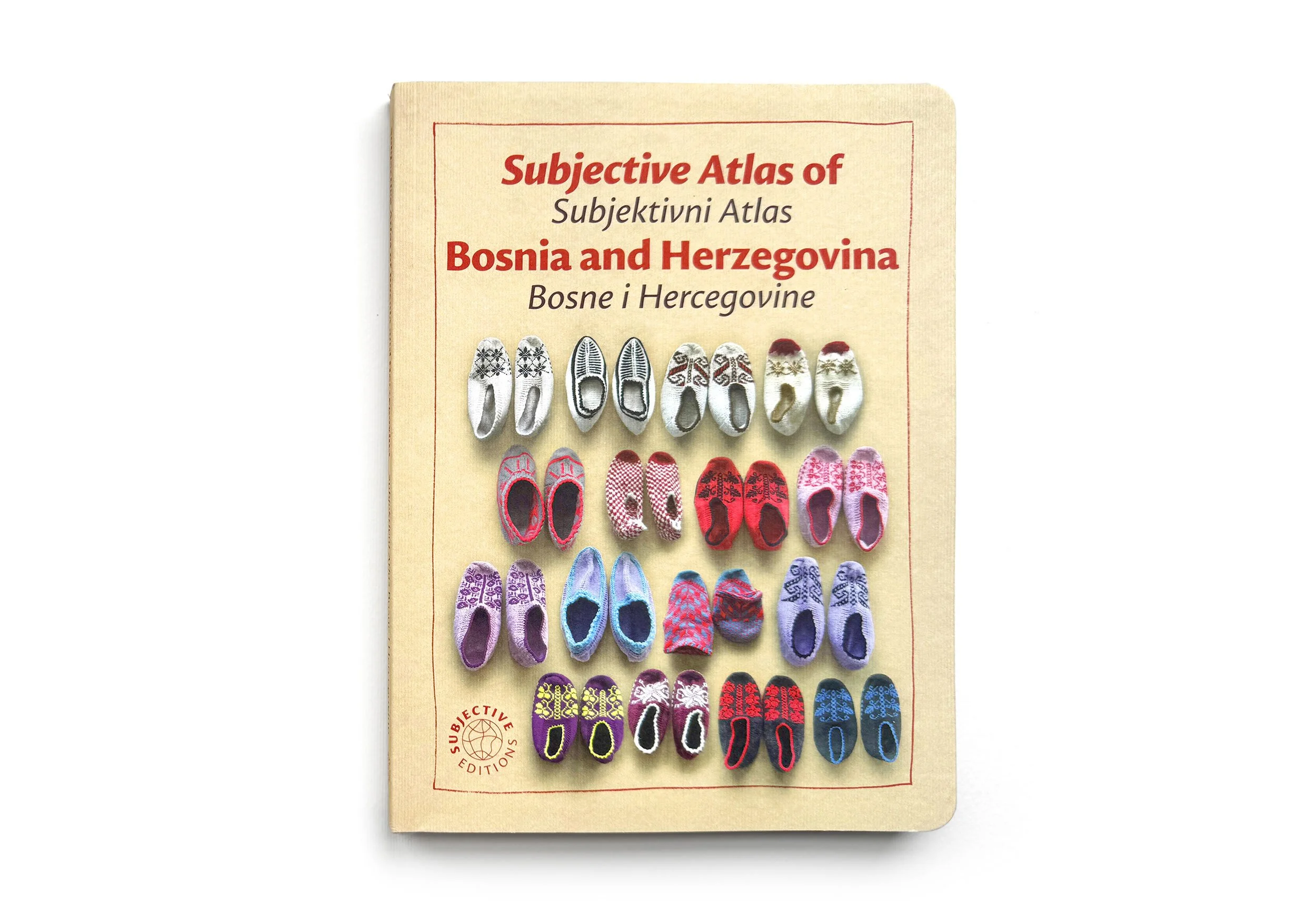
PCRC & Subjective Editions, 2025
Bosnian-English, 192 full-colour pages, 16.5 x 22 cm
—
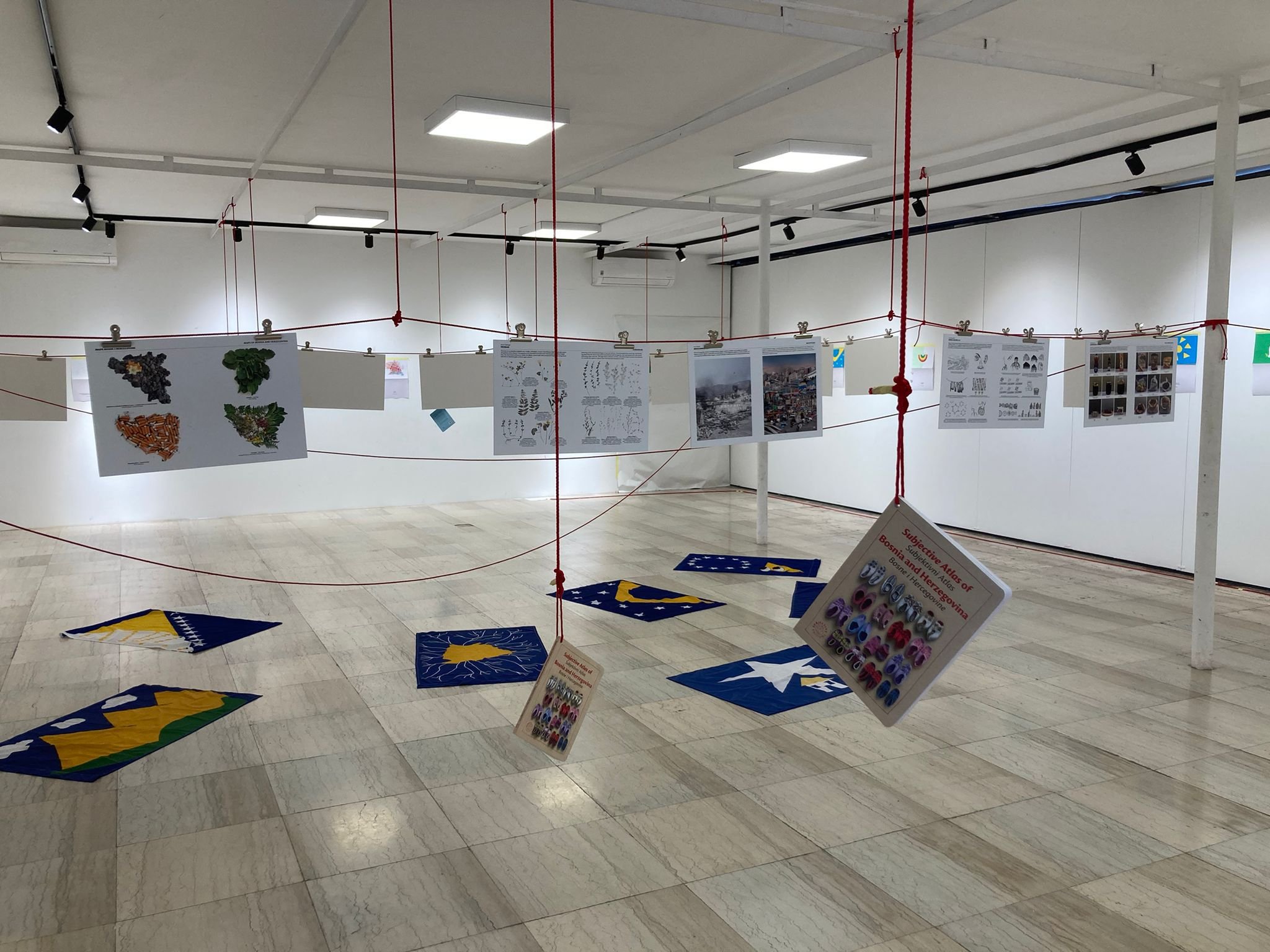
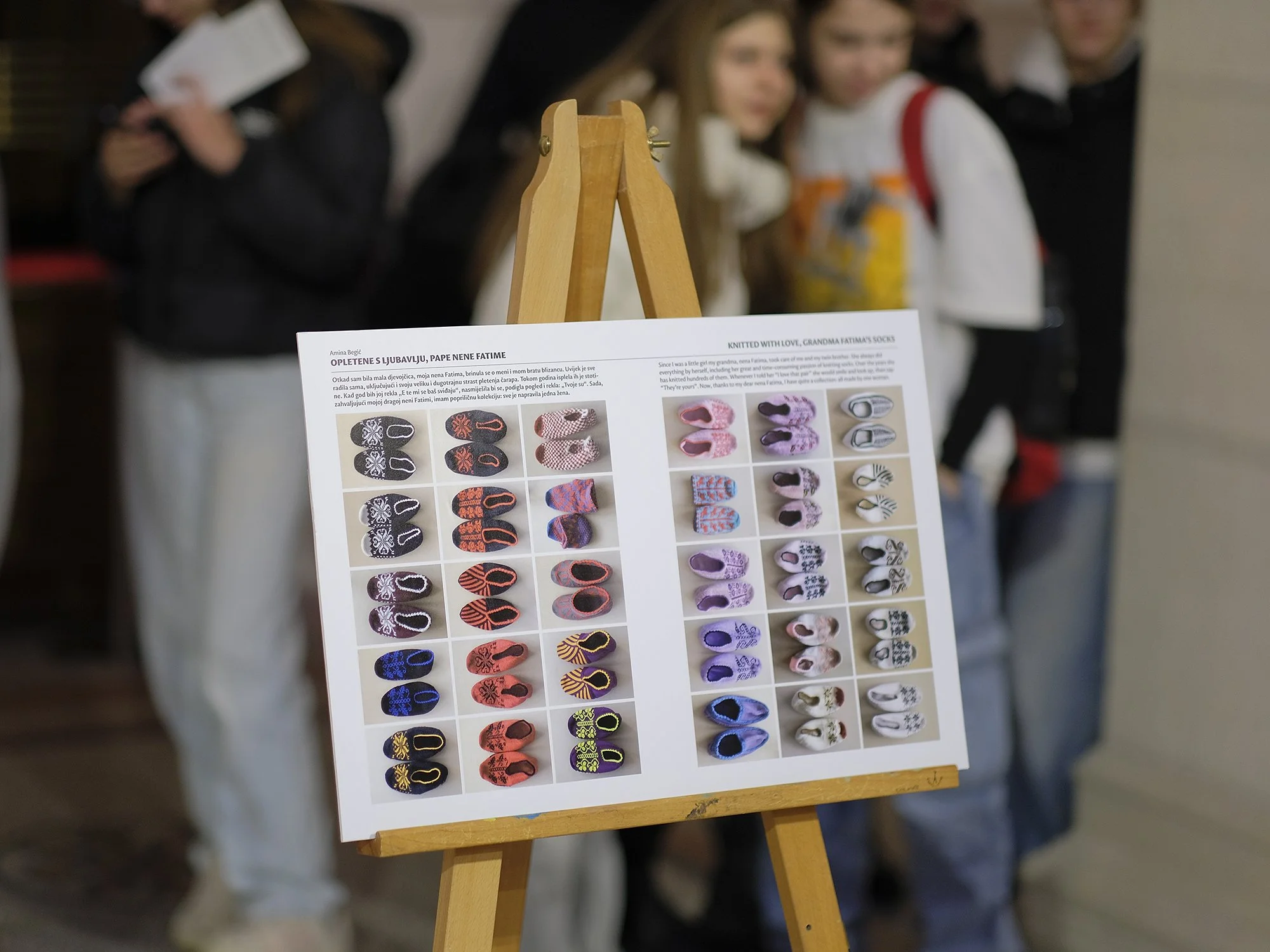
The Subjective Atlas of Bosnia and Herzegovina brings together over eighty personal mappings from people living in a country long defined by outsiders—reduced to entities, ethnic categories, and wartime narratives. This atlas counters such simplifications with a polyphonic cartography: visual stories that show how people inhabit, remember, and imagine this place today.
Created through participatory workshops across Bosnia and Herzegovina, the contributions use drawing, collage, and photography to create alternative mappings of a conflict affected state. Rather than offering a fixed or objective account, these situated mappings aim to feel the country—through the materialities of war-damaged buildings, the taste of homemade juices, and the joy of small acts of kindness.
In a landscape where trauma lingers and political inertia persists, this publication opens space for critical imagination. It invites us to see Bosnia and Herzegovina not as divided, but as a layered place of entangled histories and resilient futures—mapped from within.
—
ISBN 978-9-46444-802-3
This publication is a result of a collaboration between Subjective Editions, Newcastle University and PCRC
Editor-in-Chief: Annelys de Vet (Subjective Editions)
Editorial support: Sana Gobbeh, Anita Karabašić, Paul Lowe, Tatjana Milovanović, Ivana Perić, Theresa Rauch, James Riding, Velma Šarić, Amina Sejfić
Foreword: Velma Šarić
Introduction: James Riding

010 Publishers, 2007 & Subjective Editions (re-print), 2024
English, 160 full-colour pages, 16.5 x 22 cm
—
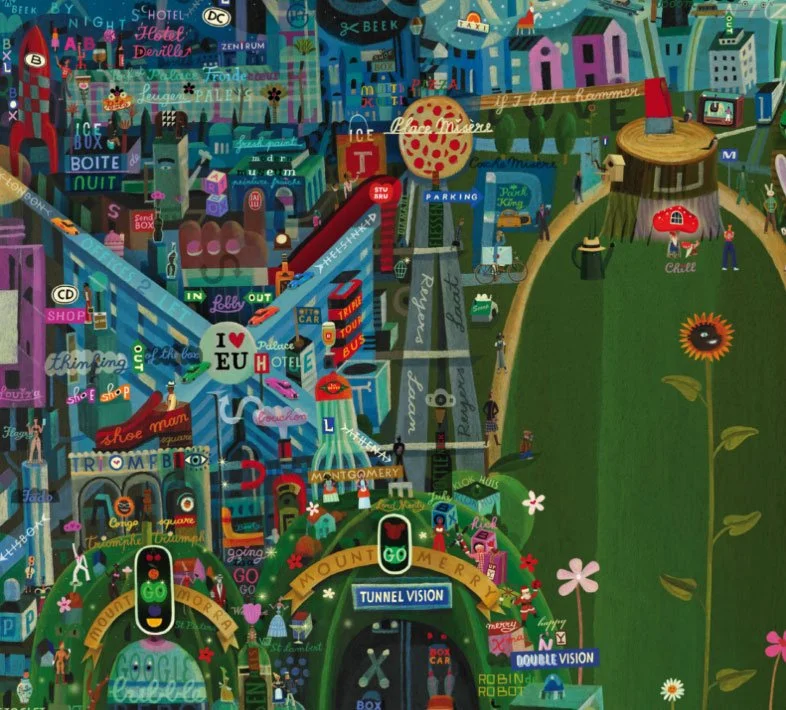
Sublime landscapes, tranquil urban scenes, frolicking children; who would associate these images with Palestine? All too often the Western media show the country’s gloomy side, and Palestinians as aggressors. It is this that makes identifying with them virtually impossible. If we are to relate to the Palestinians other images are needed, images seen from a cultural and more human vantage point.
Palestinian artists, photographers and designers have mapped their country as they see it. Given their closeness to the subject, this has resulted in unconventional, very human impressions of the landscape and the architecture, the cuisine, the music and the poetry of thought and expression. The drawings, maps and photographs reveal individual life experiences. The contributions give an entirely different angle on a nation in occupied territory. In this subjective atlas it is the Palestinians themselves who show the disarming reverse side of the black-and-white image generally resorted to by the media.
—
ISBN 978-906-450-648-2
EDITOR: Annelys de Vet
CURATOR: Khaled Hourani (International Academy of Arts Palestine)
CONTRIBUTORS: Sameh Abboushi, Majd Abdel Hamid, Senan Abdelqader, Mohammed Amous, Tayseer Barakat, Sami Bandak, Baha Boukhari, Mahmoud Darwish (poem), Reem Fadda, Shadi Habib Allah, Majdi Hadid, Shuruq Harb, Dima Hourani, Khaled Hourani Munther Jaber, Khaled Jarrar, Abed Al Jubeh, Hassan Khader (foreword), Yazan Khalili, Suleiman Mansour, Basel Al Maqousi, Sani P. Meo, Inas Moussa, Hafez Omar, Hosni Radwan, Awatef Rumiyah, Ahmad Saleem, Shareef Sarhan, Majed Shala, Sami Shana’ah, Maissoon Sharkawi, Mamoun Shrietch, Lena Sobeh, Mohanad Yaqubi, Inass Yassin
More events
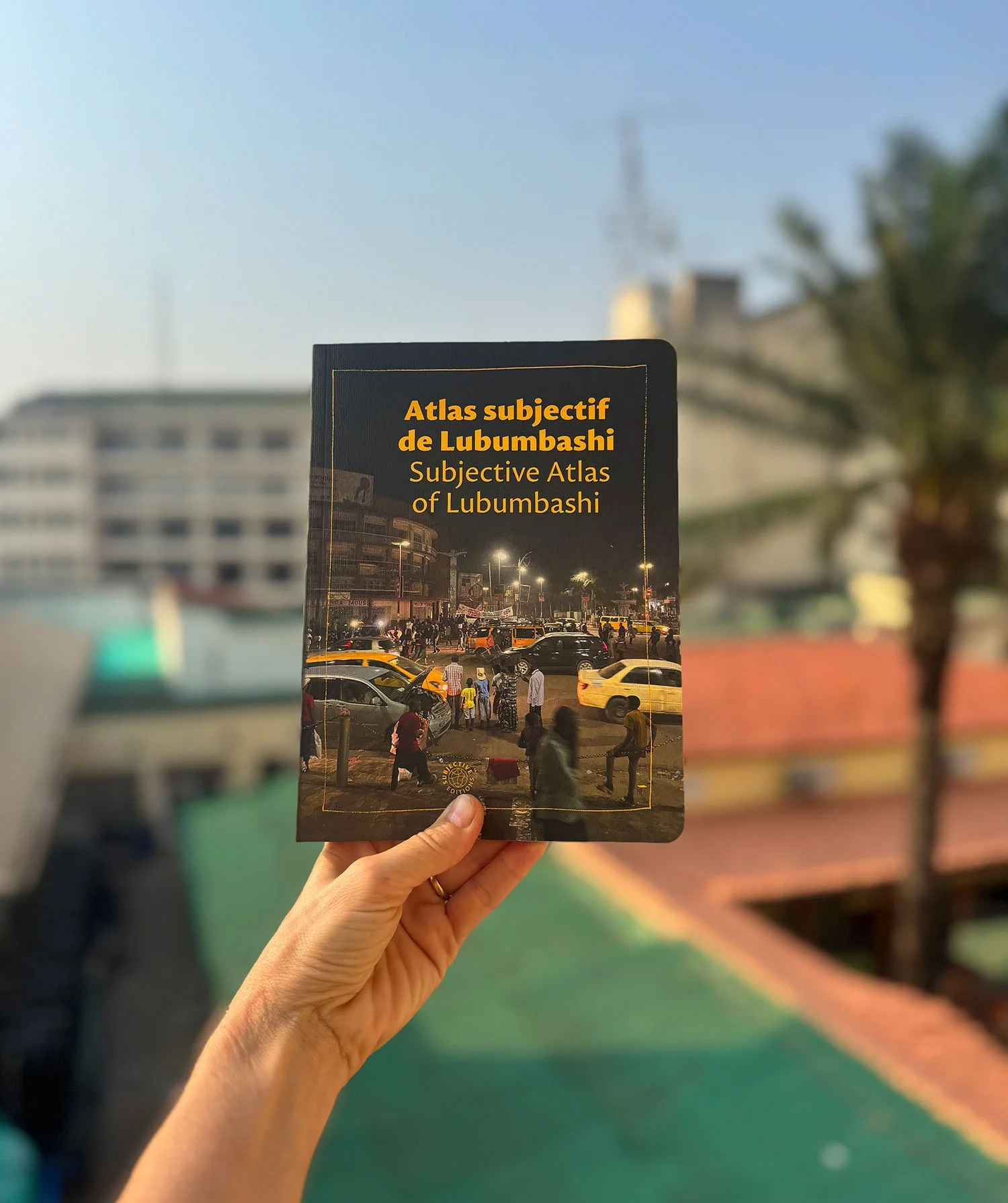
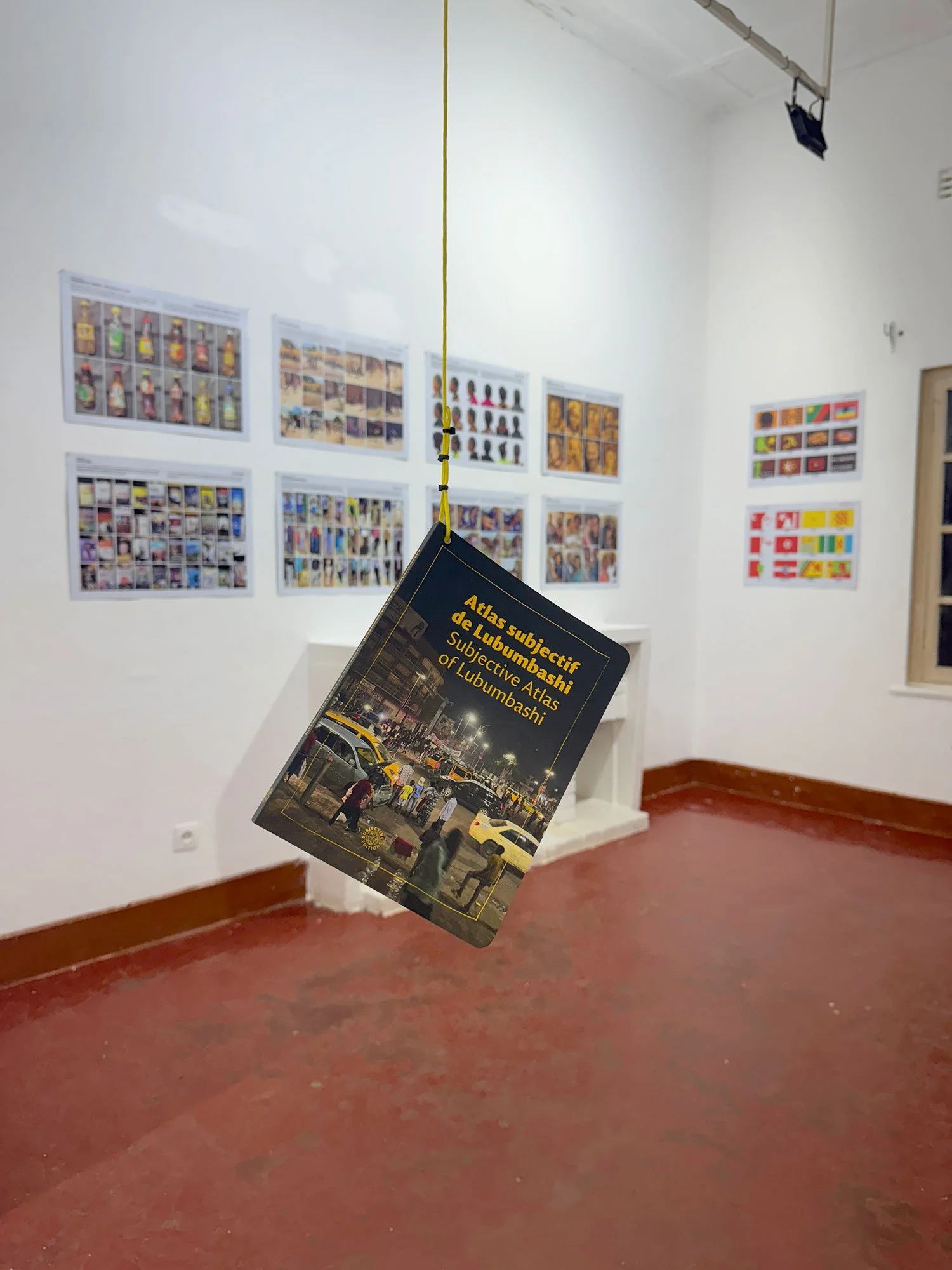








Picha & Subjective Editions, 2026
French-English, 192 full-colour pages, 16.5 x 22 cm
—
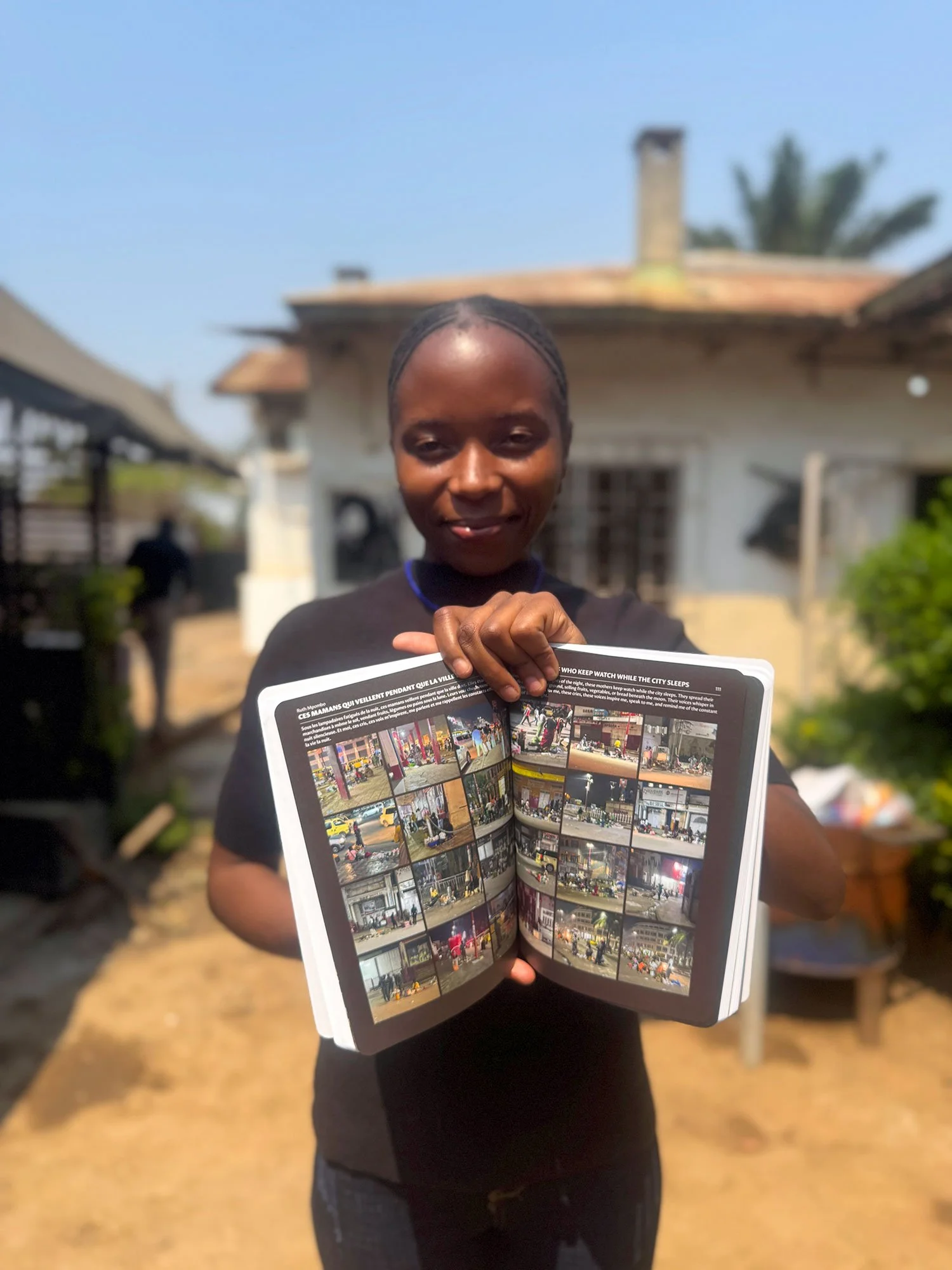
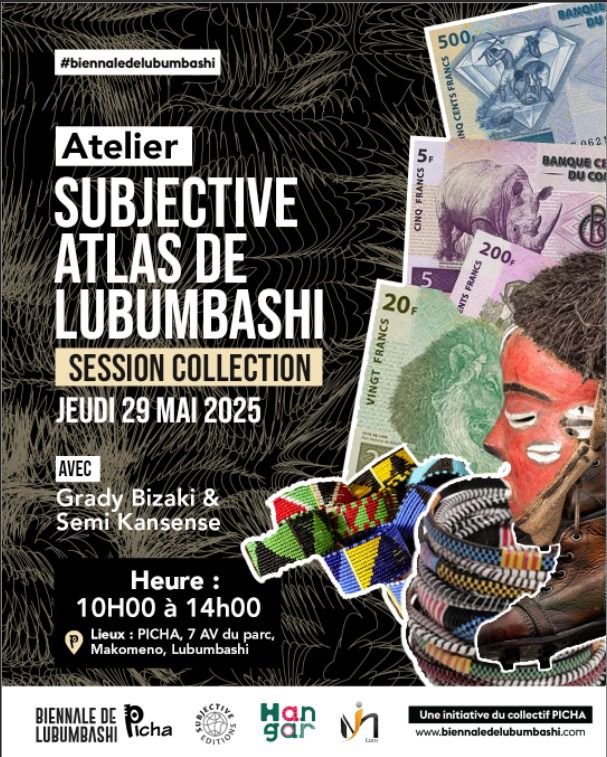
Lubumbashi is not a city to be easily navigated; it is a city to be lived, loved, hated, remembered and constantly transformed. This Subjective Atlas of Lubumbashi looks beyond the colonial grid, railway lines and mining infrastructure of Congo’s second-largest city. On the initiative of independent art and research centre Picha, nearly a hundred inhabitants have mapped their lived experiences. Their drawings, photo series and alternative cartographies acknowledge both the city’s wounds and its cultural vitality, tracing fear and affection, displacement and belonging, neighbourhood economies, night-time rhythms, rituals, and personal landmarks. We see flowers bloom despite hardship, braids become living archives, and clothing shape urban aesthetics. These poetic gestures resist being pinned down to coordinates, but unveil a constellation of interconnected worlds where memory, labour, creativity, pain and resilience meet, allowing us to imagine potential futures from this point forward.
—
ISBN 978-9-46-444804-7
This publication is a result of collaboration between Subjective Editions and Atelier Picha
Editor-in-chief: Annelys de Vet
Editorial team: Grady Bizaki Fungafunga, Filip De Boeck, Semi Kansense, Jean-Sylvain Tshilumba Mukendi, Gaëlle Van Lede